


Listen to the article
Honduras’ diplomatic pivot to China falls short of economic promises, sparking potential reversal under new leadership.
Three years after Honduras cut diplomatic ties with Taiwan to establish relations with China, the expected economic benefits have failed to materialize, leaving industries like shrimp farming in crisis. Javier Amador, executive director of the National Aquaculture Association of Honduras, expressed frustration over what he calls deception, noting shrimp exports to Taiwan plummeted from more than $100 million in 2022 to just $16 million in 2025.
“We were deceived,” Amador said, referring to promises made by former President Xiomara Castro when she severed ties with Taiwan and opened an embassy in Beijing in 2023.
The economic fallout has been severe. According to Amador, at least 95 shrimp farms and one processing plant have closed, resulting in over 25,000 job losses and millions in lost foreign exchange revenue.
“Most of the companies closed in 2024 because many couldn’t ship to other markets, and China hasn’t been the answer, because we’re not competitive for them,” he explained.
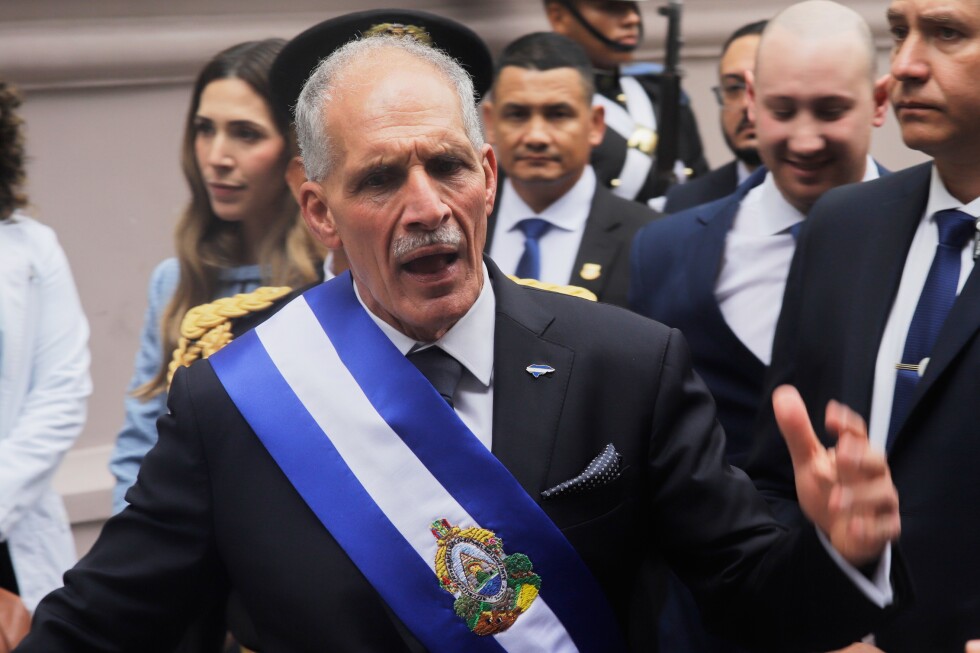
Honduras’ newly elected President Nasry Asfura, who took office in January with backing from U.S. President Donald Trump, has ordered a review of all agreements between Tegucigalpa and Beijing. This move signals a potential diplomatic reversal that would align with the Trump administration’s broader campaign to diminish Chinese influence in Latin America.
Francisco Urdinez, an associate professor at the Pontifical Catholic University of Chile, believes Honduras is “probably the most likely country in the world right now to switch diplomatic recognition back to Taiwan,” noting that Asfura campaigned on this promise and met with Trump at Mar-a-Lago shortly after his inauguration.
“But it’s not as simple as flipping a switch,” Urdinez cautioned, pointing to more than a dozen agreements Honduras has signed with China since 2023.
Asfura is expected to join other regional leaders at a security summit hosted by Trump at his golf course near Miami this weekend, further fueling speculation about Honduras’ diplomatic future.
The diplomatic positioning of Latin American nations regarding Taiwan has become increasingly significant as a measure of influence between the United States and China. Beijing considers Taiwan to be Chinese territory, while Washington, despite lacking formal diplomatic ties with the island, remains its strongest international supporter.
Currently, only 12 governments worldwide officially recognize Taiwan’s statehood, with seven located in Latin America, including Guatemala, Paraguay, and five Caribbean nations. This regional support has become crucial for Taiwan’s international legitimacy.
U.S. Secretary of State Marco Rubio reinforced this position during a February visit to Guatemala, thanking the country for maintaining ties with Taiwan despite “a lot of pressure to change that recognition.” Similarly, Rep. John Moolenaar, chair of the House Select Committee on the Chinese Communist Party, praised Guatemala for standing “with the people of Taiwan” while “too many countries bow to the bullying of Beijing.”
The U.S. Congress has introduced legislation that would provide $120 million over three years to assist Taiwan’s diplomatic partners, underscoring the strategic importance Washington places on these relationships.
For Honduras, the potential diplomatic reversal comes with significant complications. China has invested hundreds of millions of dollars in the country since establishing relations. Enrique Millán-Mejía, a senior fellow at the Atlantic Council’s Adrienne Arsht Latin America Center, suggests Honduras might confer “a special status” on Taiwan while withdrawing from China’s Belt and Road Initiative, following Panama’s example from last year.
Urdinez believes Asfura’s motivations are primarily about securing favor with the Trump administration rather than specific concerns about Taiwan. “Taiwan recognition is essentially the price of admission to Trump’s good graces,” he noted.
For the remaining Honduran shrimp farmers, the diplomatic calculations have real-world consequences. Amador hopes for restored ties with Taiwan to benefit the 330 shrimp farming companies still operating.
“The issue of returning to Taiwan is not about recovering what we have already lost,” he emphasized, “but about whether we are going to start over to reactivate industry, improve productivity and generate foreign currency and employment.”
Fact Checker
Verify the accuracy of this article using The Disinformation Commission analysis and real-time sources.

7 Comments
The shrimp industry’s woes highlight the risks of relying too heavily on a single trade partner. Diversifying markets is crucial, especially for smaller economies. I hope Honduras can find a balanced approach that serves its economic interests best.
Interesting to see the fallout from Honduras’ shift in diplomatic ties. Seems the economic promises from China didn’t quite materialize, hurting key industries like shrimp farming. I wonder if the new leadership will try to re-establish ties with Taiwan to regain that lost trade.
This situation underscores the importance of transparency and accountability when it comes to trade and investment deals. Promises made by foreign powers don’t always materialize, as Honduras is now learning the hard way.
This underscores the complexities of geopolitics and trade. While Honduras was swayed by China’s overtures, the reality on the ground has been quite different, with businesses and jobs suffering. It will be fascinating to see how the new president navigates these shifting dynamics.
The collapse of the shrimp industry is a sobering reminder that geopolitical realignment doesn’t always translate to tangible economic benefits. Honduras will need to carefully weigh its options going forward to support its key industries and communities.
It will be interesting to see if the new Honduran administration can salvage the shrimp industry and find ways to diversify its trade partnerships. This case study highlights the risks of over-reliance on a single economic superpower.
The situation in Honduras serves as a cautionary tale for other countries considering similar diplomatic shifts. Economic promises must be thoroughly vetted, and the interests of domestic industries should be carefully weighed.