


Listen to the article
Iran and Hezbollah Launch Coordinated Strikes Against Israel as Regional Conflict Escalates
Hezbollah and Iran have implemented a coordinated strike strategy against Israel, according to national security experts, as deadly cluster munitions hit Israeli territory in synchronized attacks on Tuesday. The development marks a significant escalation on the 11th day of Operations Epic Fury and Roaring Lion, the joint U.S.-Israeli military campaign targeting Iran.
“Hezbollah has fully joined the war, and it looks like they are now very well coordinated with Iran,” said Kobi Michael, a senior researcher at the Institute for National Security Studies and the Misgav Institute, speaking from his bomb shelter near Tel Aviv. “Most of Hezbollah’s rockets and drones are launched simultaneously with the Iranian missiles.”
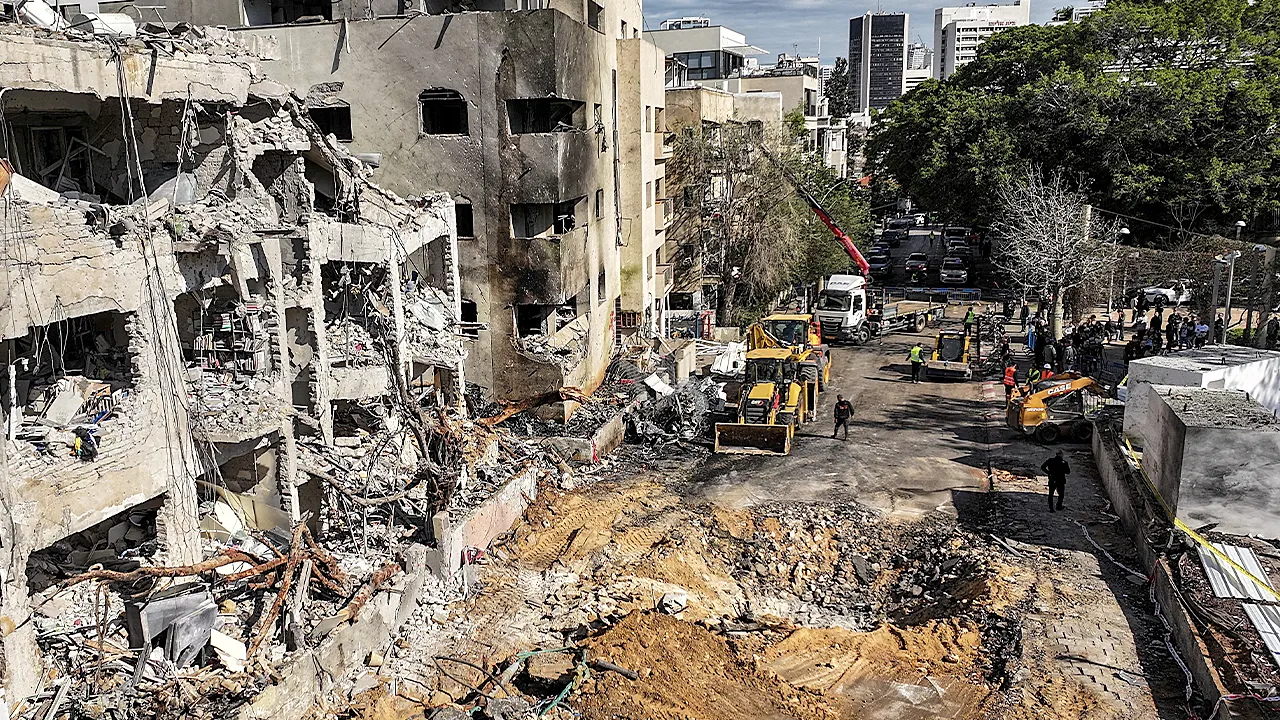
Israeli officials confirmed that Iran has been firing cluster munitions—weapons that burst open at high altitudes, scattering dozens of smaller bomblets across wide areas. These smaller bombs, which can appear as orange fireballs at night, are particularly lethal and difficult to intercept, stretching Israel’s air defense capabilities to their limits.
“The Iranian use of cluster missiles and the deliberate targeting of civilians and civil facilities must be considered as a use of non-conventional weapons, and the American-Israeli response must be appropriate,” Michael urged.
Cluster munitions are banned by more than 120 nations under the 2008 Convention on Cluster Munitions due to their indiscriminate effects and high potential for civilian casualties. Neither Iran, Israel, nor the United States are signatories to this convention.
As the conflict intensifies, Hezbollah appears to be adapting its tactics, returning to guerrilla warfare strategies in southern Lebanon in preparation for a possible full-scale Israeli invasion. According to Reuters sources, the Iran-backed group is operating in small units, avoiding electronic communications that could be intercepted by Israeli intelligence, and rationing key anti-tank rockets.
The fighting has been concentrated near the town of Khiyam, close to the intersection of Lebanon’s borders with Israel and Syria—an area where Hezbollah anticipates an Israeli land invasion might begin. Reports indicate that Hezbollah’s elite Radwan fighters, who had withdrawn from southern Lebanon following the earlier 2024 ceasefire, have returned to the region.
“Israeli citizens have to spend most of the time in shelter rooms as Hezbollah and Iran deliberately target civilians and civilian facilities,” Michael said. “Tel Aviv is still under an emergency routine, with sirens continuing and many people spending a lot of time in bomb shelter rooms.”
He added that the northern part of Israel, particularly the Haifa area, is experiencing heavy bombardment, noting that “Israel is a small country and will not be able to continue containing such asymmetry and this type of attrition war.”
On Tuesday evening, the Israel Defense Forces (IDF) launched a wave of airstrikes against Hezbollah infrastructure in Beirut’s southern suburbs, a Hezbollah stronghold known as Dahiyeh. Prior to the strikes, the IDF had reiterated warnings for civilians to evacuate the area.
Looking ahead, Michael predicted that “Israel will no doubt take control over a wide territory in south Lebanon, from the international border to the Litani River, in order to establish a security buffer zone.” He suggested this would prevent Hezbollah from attacking Israeli communities in the north while allowing Israel to intensify operations against Hezbollah throughout Lebanon.
The escalating conflict has raised concerns about a broader regional war, with both sides showing little sign of de-escalation. An Israeli military official, speaking anonymously, stated that approximately half of the projectiles Iran is launching toward Israel are now cluster bombs, significantly complicating Israel’s defensive efforts.
As residents across northern Israel and parts of Tel Aviv remain in shelters, the coordinated attacks by Iran and Hezbollah demonstrate the growing complexity of the conflict, with potential ramifications extending throughout the Middle East.
Fact Checker
Verify the accuracy of this article using The Disinformation Commission analysis and real-time sources.

18 Comments
This escalation of violence between Hezbollah, Iran, and Israel is deeply concerning. The use of cluster munitions is especially alarming, as they put civilian lives at risk. I hope all sides can de-escalate the situation and find a peaceful resolution through diplomacy.
Agreed, the use of cluster bombs is a war crime and must be condemned. Innocent lives are being lost needlessly in this conflict.
The synchronized strikes by Hezbollah and Iran against Israel represent a dangerous new phase in this longstanding regional conflict. The use of cluster munitions, which can maim and kill indiscriminately, is deeply troubling. A peaceful resolution must be urgently sought to prevent further escalation and loss of life.
This news of coordinated cluster bomb attacks by Hezbollah and Iran against Israel is deeply troubling. The use of such indiscriminate weapons is a flagrant violation of international law and norms. All parties must immediately cease hostilities and return to the negotiating table to find a peaceful resolution.
This coordinated attack by Hezbollah and Iran against Israel using cluster munitions is a worrying development. The international community must condemn the use of these indiscriminate weapons and press for an immediate ceasefire and return to diplomatic negotiations to resolve this conflict.
Iran’s use of cluster munitions is a deeply troubling development. These indiscriminate weapons pose a grave danger to civilians and violate international laws of war. I hope the international community condemns this action and works to find a diplomatic solution.
Absolutely. The international community must hold Iran accountable for this flagrant disregard of human rights and international law.
This is a concerning development in an already volatile region. The coordination between Hezbollah and Iran raises the stakes and increases the risk of further escalation. I hope the parties involved can find a way to de-escalate the situation through diplomatic means.
Agreed. Diplomacy and de-escalation should be the top priority to avoid an even more devastating conflict.
The coordination between Hezbollah and Iran is worrying. This synchronized attack strategy raises the stakes and threatens to drag the region into an even more intense and prolonged conflict. All parties must exercise restraint and prioritize de-escalation.
This is a deeply troubling escalation of the conflict between Hezbollah, Iran, and Israel. The coordination between these groups and the use of cluster munitions is extremely concerning. I hope a peaceful solution can be found to end the violence and protect innocent lives.
Absolutely. The safety and well-being of civilians must be the top priority in resolving this conflict.
The use of cluster munitions is a clear violation of international law and human rights. I hope the international community condemns this action and works to hold those responsible accountable. Civilians should never be targeted in armed conflicts.
While the details of this conflict are complex, the use of cluster bombs is unacceptable. I hope all sides can come together to find a peaceful resolution that prioritizes the safety and security of civilians. Escalating the violence will only lead to more suffering.
I’m concerned about the implications of this escalation between Hezbollah, Iran, and Israel. The use of cluster bombs is particularly alarming, as they pose grave risks to civilians. All parties must demonstrate restraint and prioritize diplomatic efforts to de-escalate the situation and find a peaceful resolution.
This escalation of the conflict is extremely concerning. The use of cluster munitions is particularly troubling, as they pose grave risks to civilians. I hope the parties can find a diplomatic solution to de-escalate tensions and protect innocent lives.
The coordinated attacks by Hezbollah and Iran against Israel are a worrying development. The employment of cluster bombs, which can cause indiscriminate harm, is a serious violation of international law. All sides must exercise maximum restraint to prevent further destabilization in the region.
The escalation of the conflict between Hezbollah, Iran, and Israel through the use of coordinated cluster bomb attacks is extremely concerning. These weapons pose grave risks to civilians and their use is a serious breach of international humanitarian law. The international community must act swiftly to de-escalate the situation and prevent further loss of life.