


Listen to the article
Afghan Mother and Six Children Die in Home Collapse as Extreme Weather Claims Dozens of Lives
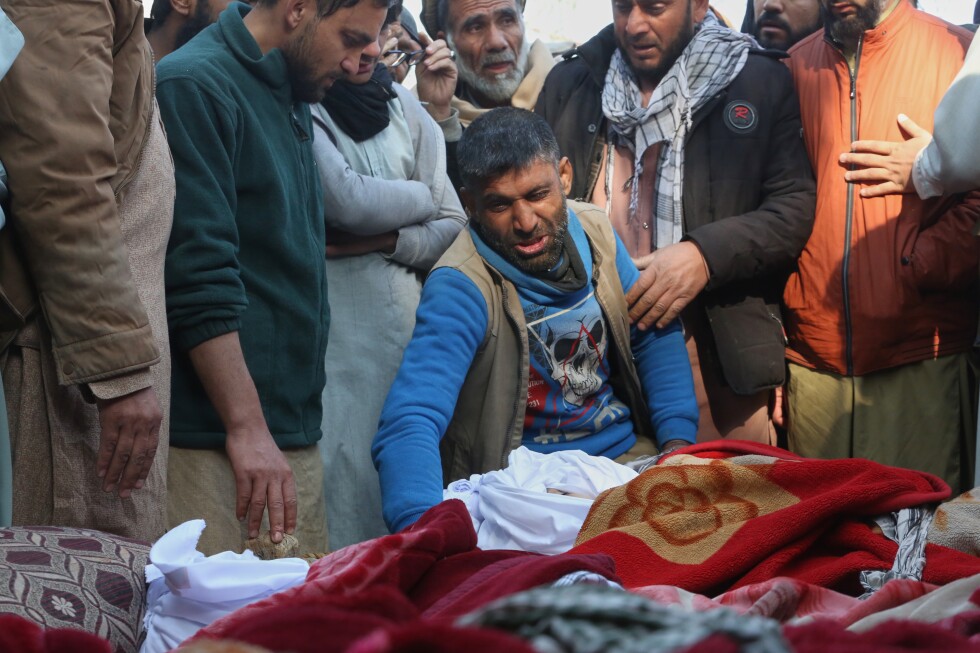
A mother and her six children were killed when their home collapsed during heavy rainfall in eastern Afghanistan, officials reported Thursday, highlighting the growing toll of extreme weather events in the country.
The tragedy occurred in Jalalabad, the capital of Nangarhar province, where continuous rain from late Monday through Wednesday morning had weakened the family’s dwelling. According to Said Tayeb Hammad, police spokesman for Nangarhar province, the structure suddenly gave way overnight while the family was sleeping.
“There was a sudden loud sound. We rushed to the scene to see that our uncle was trapped,” recounted Rahmatullah, a relative of the victims who, like many Afghans, goes by a single name.
Rescue workers recovered the bodies of the mother and her six children—three boys and three girls between the ages of 4 and 15—from beneath the rubble. The children’s father survived the collapse but sustained injuries and was transported to a local hospital for treatment.
This incident adds to a mounting death toll from severe weather conditions across Afghanistan in recent days. On Saturday, the country’s National Disaster Management Authority announced that heavy snowfall and rain had claimed 61 lives and injured more than 100 people nationwide. The agency also reported that hundreds of homes have been completely or partially destroyed in weather-related incidents.
Afghanistan’s vulnerability to extreme weather has been tragically demonstrated over the past year. In spring 2023, flash floods killed more than 300 people across the country, devastating communities with little warning or time to evacuate.
The impact of these weather events is magnified by Afghanistan’s fragile infrastructure and widespread poverty. Many rural families live in traditional mud-brick homes, which offer inadequate protection against heavy precipitation and flooding. These structures, while culturally significant and adapted to the region’s typically arid climate, can quickly deteriorate when subjected to unusually heavy rainfall or snow.
Climate experts note that Afghanistan faces increasing threats from extreme weather patterns. The country’s geographical position, characterized by mountainous terrain and river valleys, makes it particularly susceptible to flash flooding when snow melts or heavy rain falls. Deforestation has further exacerbated these risks, as trees that once helped stabilize soil and absorb excess water have been removed from many hillsides.
The situation is compounded by decades of conflict that have destroyed infrastructure and hindered the development of effective disaster response systems. Following the Taliban’s return to power in August 2021, international aid has been significantly reduced, leaving Afghan authorities with limited resources to prepare for or respond to natural disasters.
The United Nations has previously warned that Afghanistan ranks among the countries most vulnerable to climate change despite contributing minimally to global carbon emissions. Rising temperatures have disrupted traditional weather patterns, resulting in more frequent droughts interspersed with periods of intensive precipitation.
Local disaster management officials face enormous challenges in addressing these threats. Early warning systems remain rudimentary in many regions, and emergency response capabilities are stretched thin across the vast, often inaccessible terrain.
As Afghanistan continues to grapple with political instability and economic hardship, the increasing frequency and severity of weather-related disasters represent an additional burden for a population already facing multiple crises. International humanitarian organizations have called for increased support to help Afghanistan build resilience against extreme weather events, but funding gaps persist.
For families like those in Jalalabad, the immediate consequences are devastating and irrevocable – a stark reminder of how environmental vulnerabilities and socioeconomic factors can combine with deadly results.
Fact Checker
Verify the accuracy of this article using The Disinformation Commission analysis and real-time sources.

14 Comments
How devastating. The loss of a mother and her six young children is simply heartbreaking. My deepest sympathies go out to the family and community affected by this terrible tragedy. It underscores the immense vulnerabilities that many Afghans face due to lack of infrastructure and resources.
You’re right, this is an unimaginable loss. Improving disaster preparedness and building more resilient housing in Afghanistan could make a real difference in protecting vulnerable families from extreme weather events.
This is a stark reminder of the immense challenges and vulnerabilities that many Afghans face on a daily basis. My deepest condolences go out to the loved ones of this family. Tragedies like this underscore the urgent need for greater investment in disaster resilience.
Absolutely. Improving infrastructure, housing, and emergency response capabilities in Afghanistan could help prevent such devastating losses in the future. This is a heartbreaking wake-up call.
This is a tragic and devastating incident. My heart goes out to the family and community affected by this devastating loss. Natural disasters like this are especially hard-hitting in places like Afghanistan that are already facing immense challenges.
You’re right, extreme weather events are taking an increasingly heavy toll in Afghanistan. The vulnerability of families and communities there is deeply concerning.
What a horrific incident. The death of a mother and her six young children is simply devastating. My thoughts are with the family, friends and community who are dealing with this immense loss.
You’re right, this is an unimaginable tragedy. The vulnerability of families in Afghanistan to extreme weather events like this is truly distressing.
This is an unimaginable tragedy. My deepest condolences go out to the loved ones of this family. The collapse of their home during heavy rains is a harrowing reminder of the fragility of infrastructure and housing in many parts of Afghanistan. Urgent action is needed to improve disaster resilience.
Absolutely. Strengthening disaster response capabilities and building more resilient homes and communities in Afghanistan could help prevent such devastating losses in the future. This is a heartbreaking wake-up call.
How utterly tragic. The loss of an entire family, including six young children, is truly devastating. My heart goes out to the community that is grieving this terrible incident. The vulnerability of Afghans to extreme weather events is deeply concerning.
You’re right, this is a devastating and preventable tragedy. Improving disaster preparedness and resilient housing in Afghanistan could make a real difference in protecting vulnerable families.
The collapse of the family’s home during heavy rains is a sobering reminder of the fragility of infrastructure and housing in many parts of Afghanistan. My condolences to all who are grieving this terrible loss of life.
Absolutely, the lack of resilient construction and disaster preparedness in Afghanistan leaves people at grave risk during extreme weather. This is a heartbreaking tragedy.