


Listen to the article
Climate Change Intensifies Heat-Triggered Drought Events Worldwide
Heat waves that trigger sudden, destructive drought conditions are spreading across the globe at an accelerating rate, according to a new scientific study highlighting how climate change is causing extreme weather events to compound each other with devastating effects.
Researchers from South Korea and Australia discovered that compound extreme weather events—particularly when heat precedes drought—are increasing significantly as global temperatures rise. This heat-first pattern, which leads to what scientists call “flash droughts,” has expanded its global footprint alarmingly over recent decades.
In the 1980s, these heat-triggered drought events covered merely 2.5% of Earth’s land surface annually. By 2023, that figure jumped to 16.7%, with the 10-year average reaching 7.9%. Scientists believe this average has likely increased further given 2024’s record global heat and similarly warm temperatures in 2025.
“The study illustrates a key point about climate change: the most damaging impacts often come from compound extremes,” explained Andrew Weaver, a climate scientist at the University of Victoria in British Columbia, who wasn’t involved in the research. “When heat waves, drought, and wildfire risk occur together, the impacts can escalate quickly.”
Published in Science Advances, the research reveals that while drought-first conditions remain more common, it’s the heat-first scenarios that prove more destructive. When intense heat precedes drought, the resulting dry conditions tend to be more severe than in other drought patterns.
The acceleration rate of these compound events is particularly alarming. The study found that the spread of heat-first extremes increased gradually for about two decades from 1980, but the rate in the most recent 22 years has surged to eight times higher than the earlier period.
“Flash droughts are more damaging than ordinary droughts because they come on suddenly, not allowing people and farmers to prepare,” said lead author Yong-Jun Kim, a climate scientist at Hanyang University in South Korea. As warmer air becomes thirstier, it extracts more moisture from soil, creating conditions where drought can develop with startling speed.
The researchers identified a “change point” around the year 2000, when heat-triggered drought events began accelerating dramatically. This timing coincides with what Jennifer Francis, a Woodwell Climate Research Center scientist not involved in the study, described as “eerily coincident with the onset of rapid Arctic warming, sea-ice loss, and decline in spring snow cover on Northern Hemisphere continents.”
The study authors speculated that Earth may have crossed a “tipping point” where this change becomes irreversible. Several aspects of Earth’s climate systems changed in the late 1990s, possibly triggered by the major El Niño event of 1997-98, though scientists remain cautious about declaring these permanent changes.
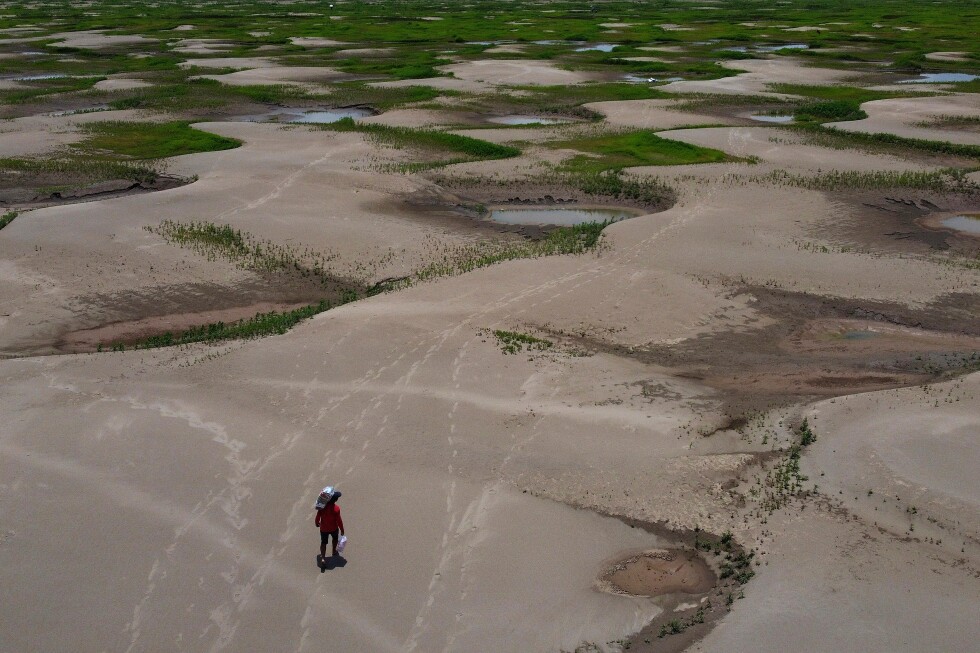
Geographically, the largest increases in heat-first droughts have occurred in South America, western Canada, Alaska, the western United States, and parts of central and eastern Africa. Recent examples include the 2021 Pacific Northwest heat dome, the 2022 drought around China’s Yangtze River, and the 2023-24 record heat and drought in the Amazon basin.
The 2021 Pacific Northwest event demonstrates the rapid escalation of these compound extremes. “Temperatures near 50°C (122 degrees Fahrenheit) in Lytton, British Columbia, were followed by rapid drying and extreme wildfire conditions that destroyed the community,” noted Weaver.
With some computer models forecasting another major El Niño developing later this year, scientists are closely monitoring how these patterns might intensify further. As global temperatures continue rising, the interaction between heat waves and drought conditions represents a growing threat to agriculture, water resources, and community safety worldwide.
Fact Checker
Verify the accuracy of this article using The Disinformation Commission analysis and real-time sources.

18 Comments
The expanding global footprint of heat-triggered droughts is a troubling trend that underscores the far-reaching consequences of climate change. Interdisciplinary research and collaborative solutions will be crucial to building a more resilient future.
Well said. Tackling these interconnected challenges will require experts from diverse fields to work together on innovative strategies for climate adaptation and mitigation.
As a concerned citizen, I’m hopeful that this research will spur greater public awareness and collective action to confront the growing threat of climate change-driven extreme weather events. We all have a role to play in building a more sustainable future.
Well said. Individual and community-level engagement, alongside strong leadership from the public and private sectors, will be crucial to driving the transformative change needed to build climate resilience.
This is a sobering reminder of the urgent need to transition to more sustainable, climate-resilient energy and industrial systems. Innovative technologies and practices will be essential to mitigate these compounding climate risks.
Absolutely. Diversifying energy sources, improving efficiency, and deploying renewable alternatives can help reduce the sector’s vulnerability to heat waves and droughts while also cutting emissions.
These findings highlight the importance of improving early warning systems and proactive drought management to help communities prepare for and mitigate the impacts of these increasingly common climate-driven disasters.
Exactly. Investment in monitoring, forecasting, and adaptive response capabilities will be crucial to protecting vulnerable populations and economic activities from the devastating effects of heat-triggered droughts.
This study highlights the need for policymakers to implement more comprehensive, proactive measures to address the root causes of climate change and build community resilience to its compounding effects. Waiting for disasters to strike is no longer an option.
Agreed. Bold, evidence-based policymaking that integrates climate adaptation and mitigation strategies across sectors will be essential to safeguarding communities, economies, and the environment.
As an investor, I’m closely monitoring how companies in the mining, energy, and related sectors are preparing for and responding to these escalating climate risks. Resilience and sustainability will be key competitive advantages going forward.
That’s an insightful perspective. Shareholders and the investment community will play a critical role in incentivizing corporations to prioritize climate risk management and sustainable business practices.
Fascinating to see the data on the rapid expansion of heat-triggered droughts. This underscores the interconnected nature of climate risks and the need for a holistic, systems-level approach to climate adaptation and disaster risk reduction.
Agreed. Policymakers and planners must account for these compounding effects when developing strategies to build climate resilience and safeguard critical resources like food and water.
This is a concerning trend. Climate change is clearly intensifying extreme weather patterns that have devastating impacts on food and water security. As a society, we need to accelerate our efforts to mitigate carbon emissions and build resilience to these compound disasters.
Absolutely. Urgent, coordinated global action is required to address the root causes of climate change and protect vulnerable communities from the worsening effects.
As a mining and commodities professional, I’m particularly concerned about the implications of these trends for resource security and supply chain resilience. Drought can disrupt critical mineral and energy production, with cascading effects across industries.
That’s a great point. The mining and energy sectors will need to incorporate climate risk assessment and adaptation strategies into their operations and long-term planning to ensure continued supply of essential raw materials.