


Listen to the article
Persian Gulf Shipping Declines as U.S. Military Positions for Potential Iran Strike
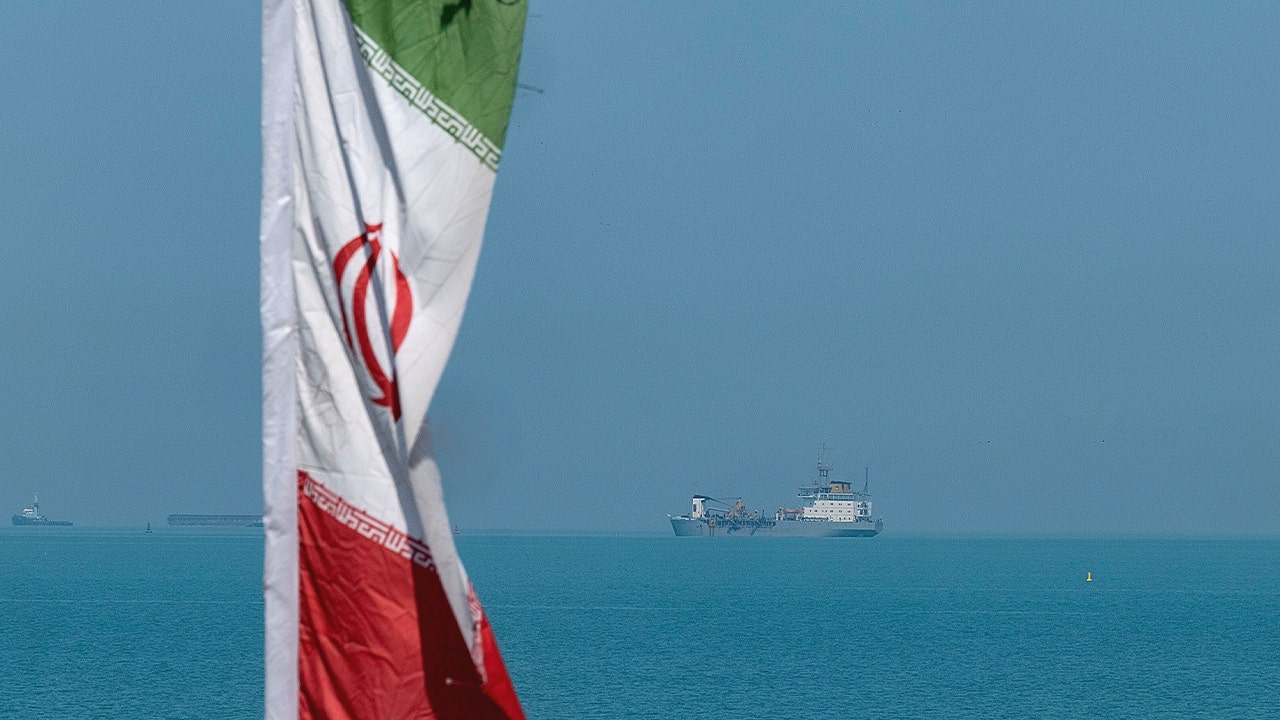
Shipping activity in the Persian Gulf has decreased significantly as tensions between the United States and Iran escalate, with the U.S. Navy’s USS Abraham Lincoln Carrier Strike Group entering the region on Monday, according to maritime intelligence assessments.
President Donald Trump has kept military options on the table while simultaneously urging Iran to negotiate. “A massive Armada is heading to Iran. It is moving quickly, with great power, enthusiasm, and purpose,” Trump wrote on Truth Social Wednesday morning, describing a fleet “larger than that sent to Venezuela.”
Maritime security experts note the deliberate ambiguity surrounding potential U.S. military action. “At this stage, it remains ambiguous, and probably intentionally ambiguous, what the objectives and desired outcomes are of any U.S. military action,” said Robert Peters of Ambrey Intelligence. “This means that there are a wider range of possibilities and retaliatory scenarios under consideration.”
The heightened tensions have directly impacted commercial maritime operations in the strategic waterway. Peters explained that shipping companies have been advised to “reduce aggregate risk when operating in the Arabian/Persian Gulf” by limiting vessel exposure to potential retaliation. Many ships are now waiting at greater distances from their next port of call in the region, prepared to receive further instructions if the situation escalates.
Five U.S.-flagged vessels—both tankers and cargo ships—remain in the Gulf, with two successfully transiting the Strait of Hormuz without incident. However, Peters emphasized that vessels destined for the United States face “heightened risk” in the current environment.
The maritime caution comes amid stern warnings from Tehran. Ali Shamkhani, an adviser to Iran’s Supreme Leader Ali Khamenei, stated Wednesday that any U.S. military action, regardless of origin or scale, “will be regarded as the start of a war, and the response will be immediate, all-out, and unprecedented, targeting the heart of Tel Aviv and all those who support the aggressor,” according to Iran International.
Iranian Foreign Minister Abbas Araghchi reinforced this position, declaring on social media platform X that Iran’s armed forces are “prepared—with their fingers on the trigger—to immediately and powerfully respond to ANY aggression against our beloved land, air, and sea.”
The military posturing occurs against the backdrop of ongoing domestic unrest in Iran. The Human Rights Activists News Agency (HRANA) reports that the death toll from nationwide protests has surpassed 6,200 since demonstrations began on December 28. The organization documented nearly 17,100 additional cases under investigation, with “a continuation of both scattered and mass arrests” as internet restrictions persist across the country.
President Trump has been pressuring Iran to negotiate, particularly regarding its nuclear program. “Hopefully Iran will quickly ‘Come to the Table’ and negotiate a fair and equitable deal—NO NUCLEAR WEAPONS—one that is good for all parties. Time is running out, it is truly of the essence!” Trump wrote.
Maritime experts are closely monitoring how the situation might evolve. Peters noted that during previous tensions, Iran “did not take retaliatory action in the maritime sphere” as Israeli shipping was already avoiding the Gulf and U.S. military action was highly targeted. However, he warned that a “broader, regime-destabilizing operation” could have “considerable effects for wider shipping.”
The situation has created significant uncertainty for commercial operators, with Peters noting, “During periods like this, we tend to see greater risk aversion and inquiries from those asked to pick up cargo for U.S. charterers and destined for the U.S.”
As the USS Abraham Lincoln Carrier Strike Group maintains its presence in the region, shipping companies and vessel operators remain on high alert, carefully balancing commercial obligations with heightened security concerns in one of the world’s most critical maritime corridors.
Fact Checker
Verify the accuracy of this article using The Disinformation Commission analysis and real-time sources.

14 Comments
While the U.S. has legitimate security concerns, any unilateral military action against Iran would be extremely risky and destabilizing. A multilateral, diplomatic approach is the best path forward.
As an energy analyst, I’m closely watching this situation. Potential supply chain disruptions and oil price volatility could have significant implications for the global economy.
This situation underscores the fragility of global supply chains. Policymakers must work to diversify trade routes and reduce reliance on choke points like the Strait of Hormuz to enhance economic resilience.
Disruptions to shipping in the Gulf could have far-reaching economic consequences. I hope the U.S. and Iran can find a peaceful way to resolve their differences and restore stability to the region.
Agreed. Any military conflict in the Gulf would be disastrous for global energy markets and the world economy.
Navigating these geopolitical tensions will require nuanced diplomacy and a clear-eyed assessment of the risks and potential consequences. I hope all parties involved act with prudence and restraint.
Disruptions to Gulf shipping could severely impact the global supply of critical minerals and metals like copper, lithium, and uranium. Diversifying supply chains is an urgent priority.
The Trump administration’s rhetoric seems to be ratcheting up tensions. I hope cooler heads prevail and all sides engage in meaningful diplomacy to de-escalate the crisis.
This crisis highlights the need for greater international cooperation and conflict resolution mechanisms to prevent such dangerous escalations in the future.
Agreed. Strengthening global governance institutions should be a priority to address complex transnational challenges.
As an investor in mining and energy equities, I’m closely monitoring this developing situation. Geopolitical risks can have significant impacts on commodity prices and market volatility.
Absolutely. Prudent risk management is crucial during periods of heightened uncertainty in key producing regions.
While the U.S. military presence is concerning, the ambiguity around potential objectives is worrying. Clarity and transparency from all sides are essential to avoid miscalculation and unintended escalation.
The escalating tensions in the Persian Gulf are certainly concerning. It’s crucial that all parties involved exercise restraint and pursue diplomatic solutions to de-escalate the situation and protect vital maritime trade routes.