


Listen to the article
German authorities have banned the Muslim group Muslim Interaktiv and conducted raids against two other Islamic organizations as part of a broader crackdown on extremism, officials announced Wednesday.
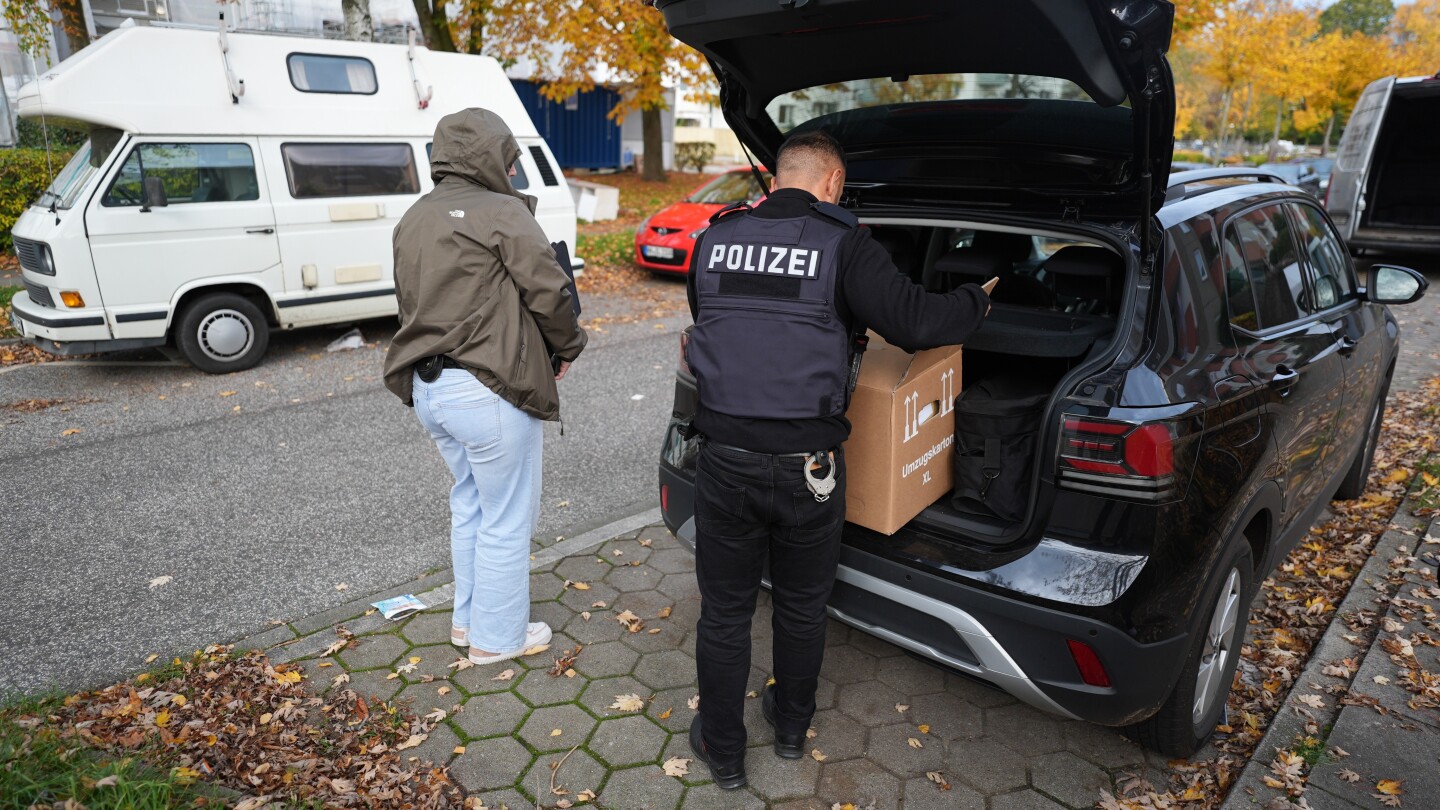
Police officers searched seven locations in Hamburg connected to Muslim Interaktiv, alongside 12 premises in Berlin and Hesse state linked to Generation Islam and Reality Islam. During the raids, authorities seized cash, computer data, and written documents. Officials also shut down Muslim Interaktiv’s websites and prohibited the group from displaying its symbols or continuing its activities.
The Interior Ministry justified the ban by stating that Muslim Interaktiv represented a threat to Germany’s constitutional order through its promotion of antisemitism and discrimination against women and sexual minorities. Officials emphasized the group advocated for Islamic law to supersede German law within Muslim communities.
“We will respond with the full force of the law to anyone who aggressively calls for a caliphate on our streets, incites hatred against the state of Israel and Jews in an intolerable manner, and despises the rights of women and minorities,” Interior Minister Alexander Dobrindt said in a statement.
The ministry specifically criticized the group’s opposition to gender equality and freedom of sexual orientation, describing its views as “incompatible with democracy and human rights.” Authorities accused Muslim Interaktiv of attempting to indoctrinate individuals to “create permanent enemies of the constitution” with the goal of undermining Germany’s democratic system.
Muslim Interaktiv had gained particular attention for its sophisticated online presence, which authorities say was designed to appeal to young Muslims who feel marginalized in Germany’s predominantly Christian society. Hamburg’s state interior minister, Andy Grote, characterized the ban as a blow against “modern TikTok Islamism,” according to the German news agency dpa.
Hamburg’s domestic intelligence service had previously reported that the group’s leaders used social media posts and videos to exploit socially relevant topics, portraying an alleged pattern of rejection by German politics and society toward the Muslim community as a whole.
Ahmad Mansour, a prominent activist against Islamic extremism in Germany, supported the government’s action, describing Muslim Interaktiv as “part of an Islamist network that has become significantly more aggressive and dangerous in recent months.” On social platform X, he added that they “carry out intimidation campaigns, specifically mobilize young people, and attempt to indoctrinate them with Islamist ideology.”
The ban comes amid Germany’s intensified efforts to combat extremism across the ideological spectrum. In recent years, authorities have banned several extremist organizations, including far-right groups and other Muslim organizations. This latest action follows a series of attacks by Muslim extremists and far-right groups plotting to overthrow the government.
Germany has experienced growing tensions related to extremism, especially following the Israel-Hamas conflict, which has led to increased antisemitism and polarization. The country’s approach reflects broader European concerns about the balance between religious freedom and adherence to democratic values.
German officials have particularly focused on groups they believe are using modern communication channels to spread ideologies at odds with the country’s constitutional principles. The simultaneous raids on Generation Islam and Reality Islam suggest authorities are investigating possible connections between these organizations and similar ideological frameworks.
With Muslim Interaktiv’s online presence disabled following the ban, the group could not be reached for comment. The organization now joins a growing list of groups prohibited from operating in Germany based on constitutional concerns.
Fact Checker
Verify the accuracy of this article using The Disinformation Commission analysis and real-time sources.

7 Comments
This news highlights the delicate balance between protecting democratic values and respecting religious and cultural diversity. I’m glad to see Germany taking action against groups that cross the line, but they must do so judiciously.
This crackdown on extremist Muslim groups seems like a measured response to protect Germany’s democratic values and institutions. While protecting free speech, the government must also act firmly against those who advocate intolerance and undermine the rule of law.
Promoting antisemitism, discrimination, and extremist ideology under the guise of religion is unacceptable. Germany is right to take action against groups that threaten its constitutional order, though they must do so carefully and with respect for civil liberties.
Agreed. Finding the right balance between security and individual freedoms is always challenging, but necessary to uphold a healthy democracy.
I’m curious to know more about the specific activities and rhetoric of these banned Muslim groups. What evidence did German authorities have of their extremist agenda and threats to the constitutional order?
While I understand the need to crack down on groups that promote hatred and intolerance, I hope the German government ensures a fair and transparent process. Banning organizations should be a last resort, with ample opportunity for dialogue and reform first.
That’s a fair point. Protecting civil liberties is essential, even when dealing with extremist groups. The government must tread carefully and provide clear justification for any bans or restrictions.