


Listen to the article
British and German Defense Chiefs Call for European Military Buildup to Deter Russia
The top defense officials from Britain and Germany have issued a joint warning that Europe must strengthen its military capabilities to protect against potential Russian aggression beyond Ukraine.
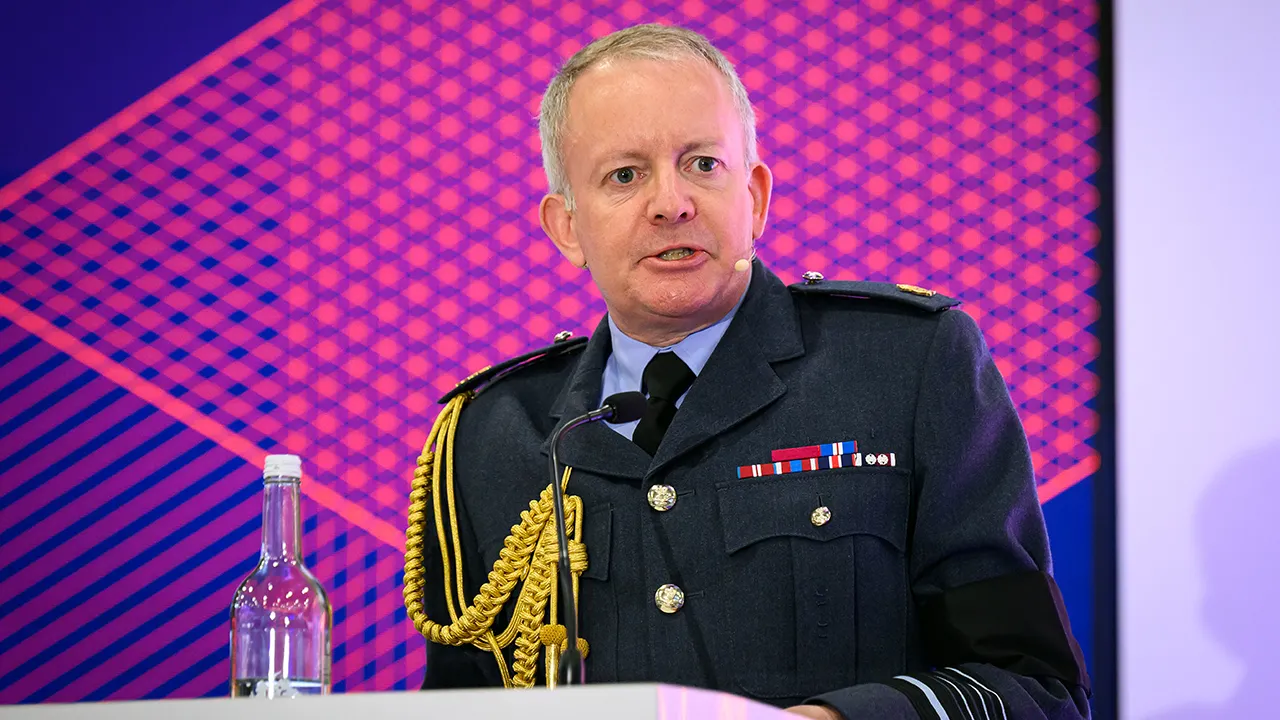
In a strongly worded opinion piece published in The Guardian, UK Chief of Defense Staff Air Chief Marshal Sir Richard Knighton and German Chief of Defense Carsten Breuer argued that Moscow’s military actions in Ukraine demonstrate a willingness to wage war on the European continent that “represents an increased risk that demands our collective attention.”
“History teaches us that deterrence fails when adversaries sense disunity and weakness. If Russia perceives Europe in this way, it may be emboldened to extend its aggression beyond Ukraine,” the defense chiefs wrote, emphasizing that Russia’s ambitions likely extend beyond its current conflict.
The rare joint statement from two of Europe’s most influential military leaders comes amid heightened concerns about regional security more than two years into Russia’s full-scale invasion of Ukraine. Their warnings reflect growing anxiety among NATO allies about the long-term implications of the ongoing conflict.
Both officials made a case for what they described as “peace through strength,” arguing that military preparedness serves as a deterrent rather than a provocation. “Rearmament is not warmongering; it is the responsible action of nations determined to protect their people and preserve peace. Strength deters aggression. Weakness invites it,” they stated.
The defense chiefs highlighted the critical importance of a robust European defense industrial base, pointing to lessons learned from the Ukraine conflict. “Ukraine shows us that industrial bases are key to sustaining and ultimately winning any major war,” they wrote, noting that increased defense spending across European nations demonstrates a serious commitment to security.
“Our industries must be capable of sustained output – manufacturing the ammunition, systems and platforms our forces require at the pace modern conflict demands,” the military leaders added.
Their call for increased military readiness comes as European nations grapple with the realities of a changed security landscape. Since Russia’s invasion of Ukraine in February 2022, many European countries have reversed decades of declining defense budgets. Germany announced a historic €100 billion special fund for its armed forces, while several NATO members have moved toward meeting the alliance’s target of spending 2% of GDP on defense.
Security analysts note that the joint statement signals growing coordination between Britain and Germany on defense matters, despite Britain’s exit from the European Union. The collaboration suggests that shared security concerns about Russia are bringing European powers closer together on defense policy.
The war in Ukraine has exposed significant gaps in European military preparedness, from ammunition shortages to logistics challenges. These deficiencies have prompted a fundamental reassessment of defense priorities across the continent.
For Britain and Germany, two countries with different historical approaches to military power, the convergence of views represents a significant shift in European security thinking. Both nations now appear aligned in their assessment that deterring future Russian aggression requires not just diplomatic efforts but also credible military strength.
As the Ukraine conflict continues with no clear end in sight, the defense chiefs’ warnings underscore the growing consensus among European leaders that the continent faces its most serious security challenge since the Cold War – one that will require substantial investment in military capabilities for years to come.
Fact Checker
Verify the accuracy of this article using The Disinformation Commission analysis and real-time sources.

12 Comments
The defense chiefs make a compelling case, but I’m curious to hear more about the specific capabilities they want to develop and how that will translate to deterring Russian aggression. The details will be crucial in evaluating the effectiveness of this plan.
Agreed, the specifics around military capabilities, strategy and coordination with diplomatic efforts will be key. Transparency and open dialogue will be important to build public trust.
Deterring Russian aggression is crucial, but we must balance security needs with diplomacy and human rights. Strengthening European military capabilities is prudent, but the focus should be on de-escalation and preserving peace through negotiation where possible.
Agreed, a multifaceted approach combining deterrence and diplomacy is needed. Careful strategic planning will be critical to find the right balance.
The defense chiefs raise valid points about the need for a strong European military deterrent against potential Russian aggression. However, I hope this buildup is accompanied by renewed efforts for diplomatic solutions and conflict resolution to prevent further bloodshed.
While the warnings from the defense chiefs are understandable, I hope this doesn’t lead to an unnecessary arms race or escalation of tensions. Russia’s actions are concerning, but a measured, collaborative response focused on diplomacy and conflict resolution would be best.
Well said. De-escalation and conflict resolution should be the priority, even as we enhance our collective defense capabilities.
Increased defense spending and military capabilities may be necessary, but I worry about the unintended consequences. We must be vigilant to ensure this doesn’t fuel more mistrust, hostility and escalation between NATO and Russia.
Absolutely, careful diplomacy and conflict de-escalation should go hand-in-hand with any military buildup. Maintaining open communication channels will be crucial.
While I understand the security concerns, I hope the military buildup doesn’t come at the expense of investments in renewable energy, sustainable mining practices and the transition to a greener economy. Those should be equally high priorities.
As someone with an interest in the mining and commodities sectors, I’m curious how this military buildup could impact the supply and availability of strategic minerals and materials. Will it divert resources away from critical civilian industries?
That’s an important point. The defense needs will have to be balanced against the requirements of the mining, metals and energy sectors. Careful planning will be essential to avoid disruptions.