


Listen to the article
Gaza’s Rafah border crossing with Egypt resumed limited operations Monday, marking the reopening of a vital gateway that had been largely closed for nearly two years. The crossing, operating under strict conditions established by the Israeli-Hamas ceasefire agreement, will initially allow only a small number of people to travel in either direction.
Egyptian authorities announced that the first day will permit up to 50 Palestinians to cross each way, a figure reflecting the deliberately narrow scope of the initial reopening. Commercial goods remain prohibited from passing through the crossing at this time.
The restricted reopening comes amid overwhelming humanitarian needs in Gaza, where health officials report tens of thousands of residents with urgent medical conditions seeking evacuation. The situation is further complicated by thousands of Palestinians currently outside Gaza hoping to return home through this crossing.
Prior to the conflict, Rafah served as Gaza’s primary connection to the outside world, as all other crossings into the territory are shared with Israel. Under the ceasefire framework implemented in October, Israeli forces maintain control over the corridor between the crossing and areas where most Palestinians reside.
Both Israel and Egypt are conducting security screening of travelers, with international oversight to prevent weapons smuggling while permitting limited humanitarian movement. Egyptian officials have emphasized that the crossing must function bidirectionally and have firmly opposed any attempt to use Rafah as a mechanism to permanently displace Palestinians from Gaza.
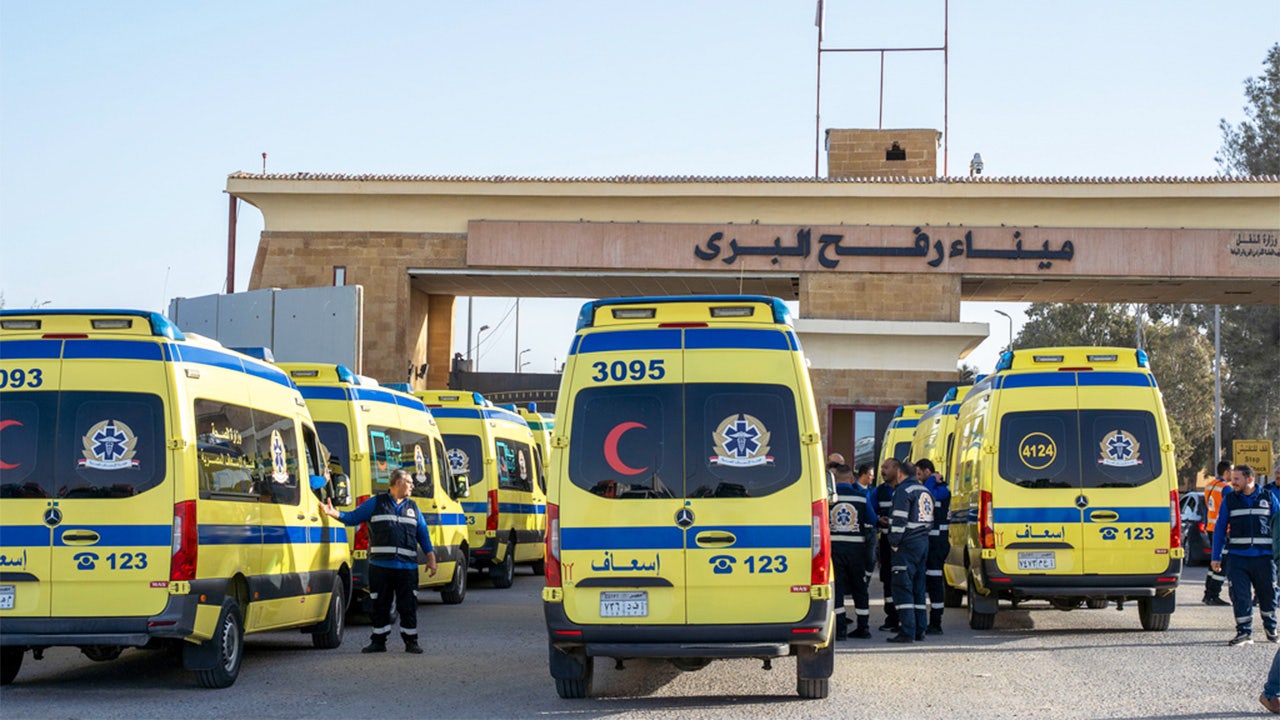
The Egyptian government has prepared approximately 150 hospitals across the country to receive patients evacuated from Gaza. Additionally, the Egyptian Red Crescent has established support facilities on the Egyptian side of the crossing to assist those passing through.
Despite the ceasefire, incidents of violence continue elsewhere in Gaza. Hospital officials reported that an Israeli navy vessel fired on a tent camp near Khan Younis in southern Gaza, resulting in the death of a 3-year-old Palestinian boy. The Israeli military stated it is investigating the incident.
Israel took control of the Rafah crossing in May 2024, describing it as part of operations targeting Hamas smuggling routes. Prior to the current reopening, the crossing had only been briefly operational for medical evacuations during a short-lived ceasefire in early 2025.
The current U.S.-brokered ceasefire, which took effect on October 10, halted more than two years of fighting that began with Hamas-led attacks on southern Israel on October 7, 2023. The initial phase of the agreement focused on hostage exchanges, increased humanitarian aid delivery, and a limited Israeli military withdrawal.
The second phase of the peace plan envisions establishing a new Palestinian governing arrangement for Gaza, deploying an international security force, disarming Hamas, and initiating reconstruction efforts. These objectives remain largely unresolved and represent significant challenges to achieving lasting stability in the region.
The limited reopening of Rafah represents a modest but significant step in addressing the humanitarian crisis in Gaza, though it falls far short of meeting the territory’s overwhelming needs. International observers note that the crossing’s operational capacity will need to expand substantially to address the medical and humanitarian requirements of Gaza’s population, which has endured prolonged conflict and severe restrictions on movement and access to essential goods.
For many families separated by the conflict, the reopening offers a glimmer of hope for reunification, even as the strict limitations underscore the fragility of the current ceasefire arrangement and the long road ahead toward sustainable peace in the region.
Fact Checker
Verify the accuracy of this article using The Disinformation Commission analysis and real-time sources.

9 Comments
The situation in Gaza is deeply concerning, and the limited reopening of Rafah crossing is a small but meaningful step. However, much more needs to be done to address the overwhelming humanitarian needs and enable freer movement of people and goods. This will require sustained diplomacy and compromise from all sides.
This is a delicate situation that requires a nuanced approach. Reopening the Rafah crossing is a positive step, but the restrictions highlight the complex humanitarian challenges in Gaza. It will be important to monitor the situation closely and seek ways to expand access while maintaining security.
The partial reopening of Rafah crossing is a positive development, but the tight controls highlight the deeply complex and precarious situation in Gaza. I hope this can lead to further gradual progress in restoring greater freedom of movement and addressing the urgent humanitarian crisis.
The partial reopening of Rafah is a positive development, but the limited scope is a reminder of the complex political and security dynamics at play. I hope this can lead to further gradual easing of restrictions to alleviate the pressing humanitarian crisis in Gaza.
This is a challenging situation with no easy solutions. While the Rafah crossing reopening is a step in the right direction, the tight controls highlight the ongoing tensions and security concerns. It will require delicate diplomacy to balance humanitarian needs with legitimate security requirements.
The partial reopening of the Rafah crossing is a welcome development, but much more needs to be done to address the pressing humanitarian needs in Gaza. I hope this is just the first step in restoring freer movement of people and goods through this vital gateway.
Agreed. The current restrictions are understandable but very limiting. Hopefully the scope can be expanded gradually to provide more relief to the people of Gaza.
While the Rafah crossing reopening is encouraging, the strict conditions are a sobering reminder of the fragility of the situation. I hope this can pave the way for further progress in restoring more normal access and alleviating the severe hardships faced by the people of Gaza.
Absolutely. The humanitarian needs in Gaza are immense, and any steps to improve access and mobility should be welcomed. But the tight restrictions also underscore the ongoing challenges that must be addressed through patient diplomacy.