


Listen to the article
Six months after the Gaza ceasefire took effect, progress remains stalled amid a new regional conflict and waning international attention. The October 10 agreement halted the most intense fighting between Israeli forces and Hamas militants, but the fundamental issues of disarmament, governance, and reconstruction remain largely unaddressed.
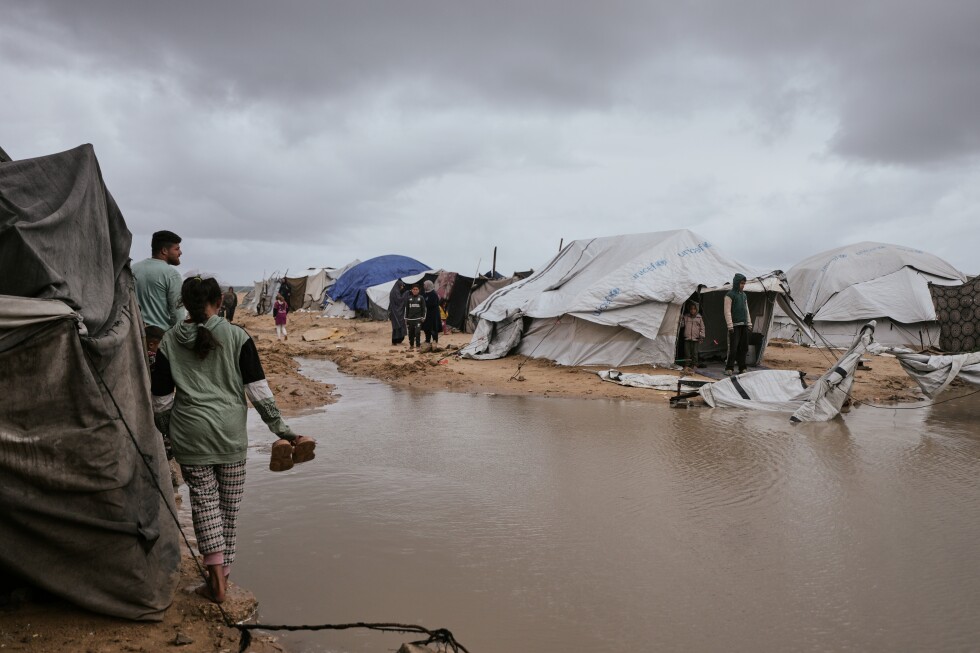
The ceasefire’s six-month milestone has been overshadowed by the recent Iran-Israel conflict, which has diverted diplomatic focus and resources away from Gaza’s ongoing humanitarian crisis. As global attention shifts to preventing wider regional escalation, Gaza’s 2 million residents find themselves in a precarious limbo with limited humanitarian aid entering through a single Israeli-controlled border point.
“It’s as if there’s no ceasefire at all,” said Maysa Abu Jedian, a displaced woman from Beit Lahiya, echoing the frustration felt by many Palestinians living in tent camps across the territory. “There is pollution and disease.”
While major combat operations have ceased, violence persists. Gaza’s Health Ministry reports that 738 Palestinians have been killed in Israeli operations since the ceasefire began. Israeli forces continue to conduct airstrikes and fire on Palestinians near military-held zones, which Israel characterizes as responses to militant attacks and ceasefire violations.
The U.S.-led Board of Peace, launched with $7 billion in pledges and ambitious goals to resolve the Gaza conflict and other global crises, has stalled since its initial meeting. The board has yet to reconvene, particularly after hostilities erupted between Iran and Israel.
A key obstacle remains Hamas’ response to the proposal requiring its disarmament—a fundamental concession at odds with the group’s founding charter advocating armed resistance against Israel. A U.S. official, speaking on condition of anonymity, indicated that while no formal deadline has been given to Hamas, “patience is not unlimited.” This open-ended timeline has potentially weakened pressure for meaningful action.
Humanitarian conditions in Gaza remain dire despite the ceasefire. Five international aid organizations released a scorecard Thursday indicating the U.S. 20-point ceasefire plan for Gaza is largely failing on the humanitarian front, with conditions deteriorating further since the Iran war began.
“During the first two weeks of March 2026, trucks entering Gaza declined by 80%, and the price of basic goods increased dramatically,” the groups reported, noting that medical evacuations have also stalled. The humanitarian groups emphasized that progress on aid issues has “generally required sustained diplomatic pressure at the highest levels, particularly from the United States. That pressure, however, has not been applied consistently or at the scale needed to secure full implementation.”
Board of Peace director Nickolay Mladenov warned the UN Security Council last month against losing sight of Gaza amid the new regional conflicts. “The choice in Gaza is between a renewed war, or a new beginning; the status quo, or a better future,” he said. “There is no third option.”
The recent escalation with Iran has further complicated matters, creating confusion over the scope and application of the new ceasefire agreement. Israel insists the deal doesn’t cover Lebanon and continues attacking Iranian-backed Hezbollah, while Iran maintains the ceasefire should apply to all theaters, threatening to abandon the agreement. In a surprise move, Israel recently announced authorization for direct negotiations with Lebanon despite their lack of diplomatic ties.
The prospect of deploying an international stabilization force to Gaza faces additional challenges as countries reassess their willingness to contribute troops amid heightened regional tensions. Indonesia, one of the few confirmed troop contributors, has already lost three peacekeepers in southern Lebanon in recent days.
As Gaza residents continue to live among shattered buildings with limited resources, the overall death toll since the war began following Hamas’ October 7, 2023 attack on Israel has reached 72,317 Palestinians, according to Gaza’s Health Ministry.
The path forward remains uncertain, with regional mediators like Egypt and Qatar now focused on containing the Iran conflict and its economic implications, further diminishing prospects for sustained attention on Gaza’s humanitarian needs and long-term stability.
Fact Checker
Verify the accuracy of this article using The Disinformation Commission analysis and real-time sources.

9 Comments
The ceasefire in Gaza is a fragile accomplishment, with humanitarian aid and reconstruction still severely lacking. The ongoing tensions with Iran only further complicate the situation for the 2 million Palestinians trapped in the territory.
It’s disheartening to hear that the ceasefire has done little to improve the lives of Palestinians in Gaza. The international community must renew its efforts to find a lasting solution and provide the necessary humanitarian aid and support.
The ongoing tensions with Iran are deeply concerning, as they risk further destabilizing the region and diverting attention and resources away from the pressing needs in Gaza. A comprehensive, regional approach is needed to address these intertwined conflicts.
The lack of progress on disarmament, governance, and reconstruction in Gaza following the ceasefire is very disappointing. The people of Gaza deserve peace, stability, and access to basic resources and services.
Agreed. The international community needs to step up and put more pressure on all parties to make meaningful progress on these critical issues.
Shifting global attention away from Gaza’s humanitarian crisis is deeply troubling. The ceasefire milestone should be a catalyst for renewed diplomatic efforts to find a sustainable solution and improve the dire living conditions in the territory.
It’s concerning to hear that despite the ceasefire, violence and casualties continue in Gaza. The international community must do more to address the root causes and provide the necessary aid and support for the people there.
It’s alarming to hear that the ceasefire has done little to alleviate the pollution and disease affecting Gaza’s residents. This is unacceptable, and the international community must act urgently to address the humanitarian crisis.
You’re right, the situation is dire and cannot be ignored. Immediate action is needed to provide basic sanitation, clean water, and medical care to the people of Gaza.