


Listen to the article
French lawmakers have voted overwhelmingly to ban social media for children under 15, marking a significant step in what one legislator described as a “battle for free minds.” The measure passed by a 130-21 margin in the National Assembly late Monday and now heads to the Senate for further discussion before a final vote.
The bill, which also prohibits mobile phones in high schools, is being fast-tracked by President Emmanuel Macron to implement the restrictions before the start of the academic year in September. The legislation represents one of the most aggressive governmental attempts in Europe to regulate young people’s access to digital platforms.
“With this law, we are setting a clear boundary in society and saying social media is not harmless,” French lawmaker Laure Miller told the assembly during the debate. “Our children are reading less, sleeping less, and comparing themselves to one another more. This is a battle for free minds.”
Following the vote, Macron expressed strong support for the measure, framing it as protection against corporate exploitation. “Banning social media for those under 15: this is what scientists recommend, and this is what the French people are overwhelmingly calling for,” Macron said. “Because our children’s brains are not for sale — neither to American platforms nor to Chinese networks. Because their dreams must not be dictated by algorithms.”
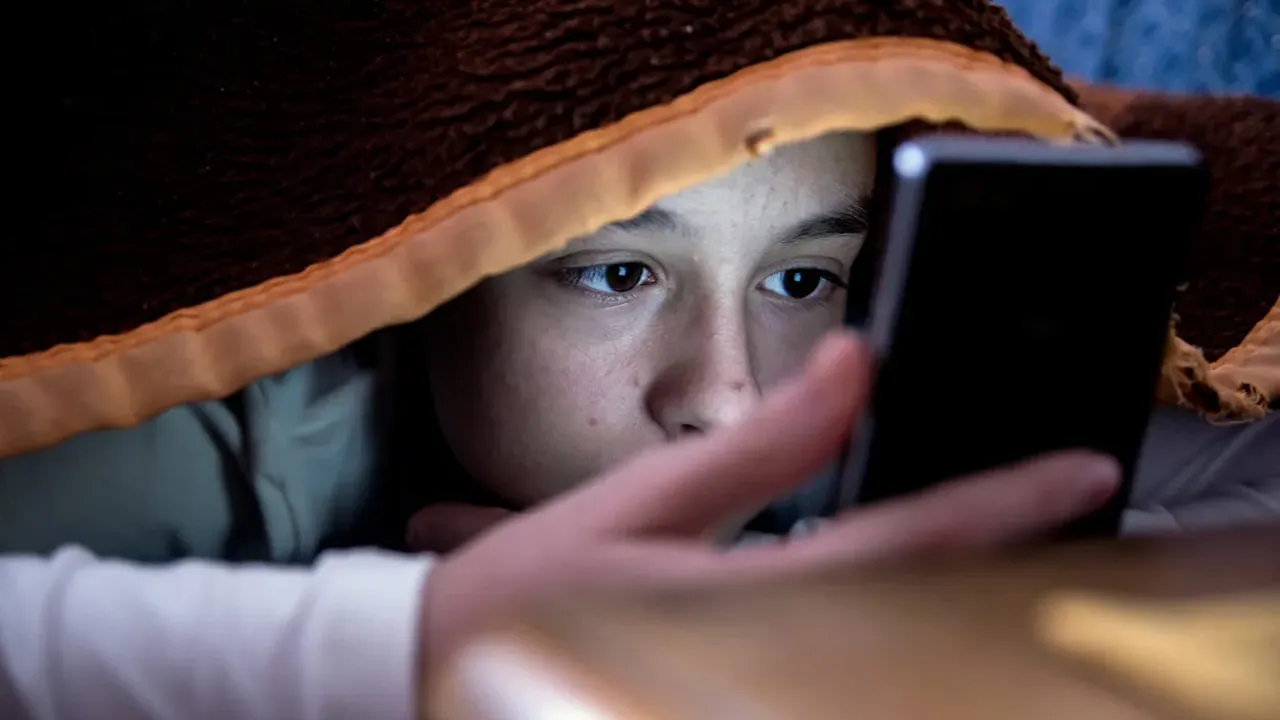
The French initiative comes amid growing global concern about the effects of social media on youth mental health and development. France’s health watchdog has reported that half of teenagers spend between two and five hours daily on smartphones, with approximately 90% of children ages 12 to 17 using smartphones daily for internet access. The agency found that 58% specifically use their devices for social media.
Health authorities have warned about correlations between heavy social media use and declining self-esteem among young people. They’ve also highlighted increased exposure to potentially harmful content related to self-harm, drug use, and suicide through these platforms.
The French legislation reflects a broader international trend toward regulating children’s access to social media. In December, Australia implemented what it called a “world-first ban” on social media for children under 16, restricting platforms including Facebook, TikTok, and YouTube. The British government has also recently announced it is considering similar age-based restrictions as part of broader efforts to protect children from harmful online content and excessive screen time.
The movement to regulate youth access to social media marks a significant shift in how governments are approaching digital platforms. Initially welcomed as revolutionary communication tools, social networks now face increasing scrutiny for their algorithms designed to maximize engagement and the potential psychological effects of constant connectivity, especially on developing minds.
Industry observers note that implementing such bans poses significant technical challenges. Social media companies typically require users to be at least 13 years old to create accounts, but age verification systems have proven easy to circumvent. The French legislation would likely require platforms to implement more robust verification measures to comply with the new regulations.
Critics of such bans argue they may drive young users to less regulated corners of the internet or create digital divides between youth with different levels of parental supervision. Supporters counter that decisive action is needed to protect children during critical developmental years.
The French Senate is expected to take up the legislation in the coming weeks, with supporters hoping for quick passage to meet Macron’s September implementation timeline.
Fact Checker
Verify the accuracy of this article using The Disinformation Commission analysis and real-time sources.

12 Comments
This is a bold and controversial move by the French government. While I understand the motivation to protect minors, a total social media ban may be overly restrictive. A more nuanced approach focused on digital literacy and parental controls could be more effective.
You raise a valid point. A blanket prohibition may do more harm than good in the long run. Empowering young people to use social media responsibly through comprehensive education could be a better path forward.
Interesting move by France to protect minors from social media harms. While controversial, it speaks to growing concerns over negative mental health impacts and exploitation of young users. Curious to see how this plays out and if other countries follow suit.
I agree, the social media landscape poses real risks for young people. This legislation seems a proactive step to safeguard their wellbeing, though implementation could be challenging.
France’s decision to ban social media for under-15s is a drastic but understandable step given the documented harms. However, a more holistic strategy of regulation, education, and parental involvement may be more effective in the long run.
I agree. While the French government’s intent is admirable, a complete social media ban could have unintended consequences. A balanced approach empowering young people to navigate these platforms safely may be preferable.
This is a bold and controversial decision by the French government. While I understand the intent to shield minors, a total social media ban may be overly restrictive. There could be better ways to empower young people to navigate these platforms safely.
You raise a fair point. A more nuanced approach focused on digital literacy and parental controls may be more effective than a blanket ban. This is a complex issue without easy solutions.
This legislation reflects growing global alarm over the mental health impacts of social media on minors. While a bold move, I’m not convinced a strict ban is the best solution. Comprehensive digital education and parental guidance seem more constructive.
You make a fair point. A nuanced, multi-stakeholder approach focused on media literacy may yield better long-term results than a blanket prohibition. This is a complex issue requiring thoughtful policymaking.
As a parent, I appreciate the French government’s concern for child welfare. Social media can have detrimental effects on young minds. However, a complete ban may be impractical and stifle important social connections. Moderation and education seem more prudent.
I agree that a balanced approach is needed. Outright prohibition may do more harm than good in the long run. Empowering youth to navigate social media responsibly could be a better path forward.