


Listen to the article
Former Counterterrorism Director Claims He Was Blocked from Sharing Iran Strike Concerns with Trump
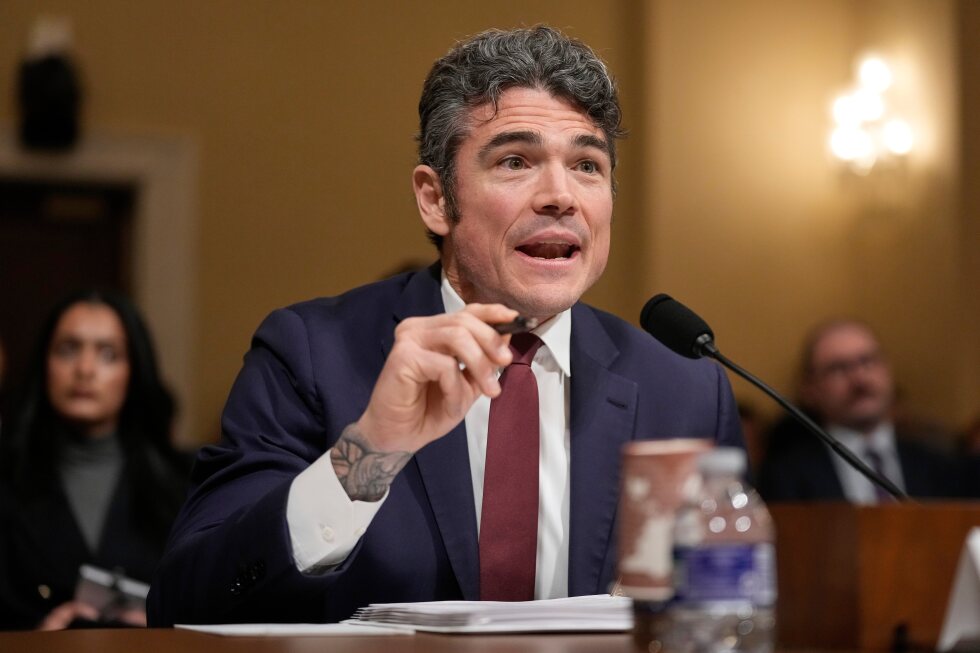
Joe Kent, who recently resigned as head of the National Counterterrorism Center, has alleged that he and other senior officials with reservations about military action against Iran “were not allowed” to present their concerns directly to President Donald Trump.
In a Wednesday appearance on Tucker Carlson’s show, Kent claimed the president’s decision to launch airstrikes against Iran on February 28 was influenced by a small circle of advisers, with dissenting voices deliberately excluded from the decision-making process.
“A good deal of key decision makers were not allowed to come and express their opinion to the president,” Kent told Carlson. “There wasn’t a robust debate.”
Kent’s revelations provide rare insight into the administration’s internal deliberations before the strikes and suggest significant divisions existed within Trump’s national security team. His comments also highlight potential political risks for Trump, as the military action could alienate portions of his base.
As director of the National Counterterrorism Center, Kent led an agency specifically tasked with analyzing and detecting terrorist threats. This position placed him under the supervision of Director of National Intelligence Tulsi Gabbard, who on Wednesday emphasized that the ultimate decision about Iran’s threat level rested solely with President Trump.
Gabbard, a military veteran and former Hawaii congresswoman known for her previous criticisms of military interventionism, has not publicly stated her position on the current strikes. Her spokesperson has declined to answer questions about her stance on the matter.
When pressed by Carlson to identify who blocked his access to the president, Kent declined to name specific individuals. He did, however, make the explosive claim that “the Israelis drove the decision to take this action,” asserting that Israel effectively forced America’s hand by threatening to act unilaterally in a way that might have endangered U.S. interests in the region.
Kent cited public statements from Secretary of State Marco Rubio and House Speaker Mike Johnson that he believes support his contention about Israeli influence on the decision. He further alleged that Israeli Prime Minister Benjamin Netanyahu and other Israeli officials directly lobbied Trump, often presenting information that U.S. intelligence officials could not independently verify.
“When we would hear what they were saying, it didn’t reflect intelligence channels,” Kent explained. His assertions about an “Israeli lobby” influencing Trump’s decision have drawn sharp criticism from Jewish organizations and others who characterized the comments as antisemitic.
Kent’s decision to make his first post-resignation appearance with Carlson, who has faced similar accusations regarding his rhetoric about Jewish influence, has further fueled this controversy.
The former counterterrorism director also contradicted the administration’s position on Iran’s nuclear program, stating categorically that no intelligence suggested Iran was actively developing nuclear weapons. This directly challenges one of the primary justifications the administration has offered for the military action.
Trump has provided varying explanations for authorizing the strikes and has strongly rejected Kent’s criticisms. On Tuesday, the president dismissed Kent’s concerns, describing him as “weak on security” and suggesting that anyone who failed to recognize Iran as a threat was neither “smart” nor “savvy.”
“Iran was a tremendous threat,” Trump insisted.
Kent brings considerable national security credentials to his criticisms. As a former Green Beret with 11 combat deployments before joining the CIA, he has extensive firsthand experience in counterterrorism operations. His career has also been marked by personal tragedy—his first wife, a Navy cryptologist, was killed by a suicide bomber in Syria in 2019, leaving him to raise their two young sons alone. The 45-year-old has since remarried.
Explaining his decision to resign, Kent told Carlson he felt a moral obligation to step down once it became clear his concerns would be ignored. “I know this path that we’re on, it doesn’t work,” he said. “I can’t be a part of this in good conscience.”
The White House has not yet responded to requests for comment regarding Kent’s statements.
Fact Checker
Verify the accuracy of this article using The Disinformation Commission analysis and real-time sources.

14 Comments
This is a concerning report. If senior officials with relevant expertise were blocked from providing their analysis and concerns directly to the president, that’s a major failure of the decision-making process. Transparent and inclusive deliberations are crucial on these issues.
Absolutely. The president needs to hear a full range of views, not just from a small circle of advisers. Excluding dissenting voices from the decision-making process is deeply troubling and increases the risk of poor outcomes.
The revelations from this former counterterrorism official are deeply troubling. If true, it points to significant flaws in the decision-making process around the Iran strike. Robust debate and consideration of differing viewpoints is crucial for critical national security decisions.
Absolutely. Transparency and inclusive deliberations are essential, especially for high-impact foreign policy choices. Excluding dissenting voices from the president’s inner circle is a concerning lack of due diligence that increases the risks of poor outcomes.
This raises serious concerns about the quality of the decision-making process leading to the Iran strike. If senior officials with relevant expertise were blocked from sharing their analysis and reservations with the president, that’s a major failure. Robust debate and consideration of different perspectives is crucial for critical national security decisions.
I agree, this is a very troubling revelation. Excluding dissenting views and limiting debate on such a high-stakes issue is extremely problematic. The president needs to hear from a diverse range of experts, not just a small circle of advisers, in order to make fully informed decisions.
The revelations from this former counterterrorism official are quite troubling. If true, it suggests the president wasn’t getting a full picture of the risks and potential downsides before authorizing military action against Iran. Transparency and inclusive decision-making are critical.
I share your concerns. Robust debate and consideration of different perspectives is so important, especially for high-stakes national security decisions that could have far-reaching impacts. Excluding dissenting views is unwise and dangerous.
This raises serious questions about the decision-making process leading up to the Iran strike. If accurate, it suggests the president may not have received a comprehensive assessment of the risks and potential consequences. Transparent, inclusive deliberations are essential for critical national security choices.
I agree, this is very concerning. Excluding dissenting voices and limiting debate on such a high-stakes issue is extremely problematic. The president needs to be informed by a diversity of expert perspectives, not just a narrow group of advisers.
Interesting to hear from a former counterterrorism official about concerns over the Iran strike decision-making process. It’s concerning if dissenting voices were not allowed to properly brief the president on the risks. Transparency and robust debate are so important for critical national security decisions.
I agree, it’s worrying if the president wasn’t getting a full range of views and analysis before such a significant military action. Healthy debate and consideration of different perspectives is crucial.
This highlights the importance of rigorous decision-making, especially around high-stakes foreign policy issues like potential military strikes. It’s important the president hears from a variety of experts and considers the potential ramifications carefully.
Absolutely. National security decisions shouldn’t be made in an echo chamber. Excluding dissenting voices is a concerning lack of due diligence, especially for a decision that could have major consequences.