


Listen to the article
Ethiopian Orthodox Easter Celebrations Dampened by Fuel Crisis and Rising Prices
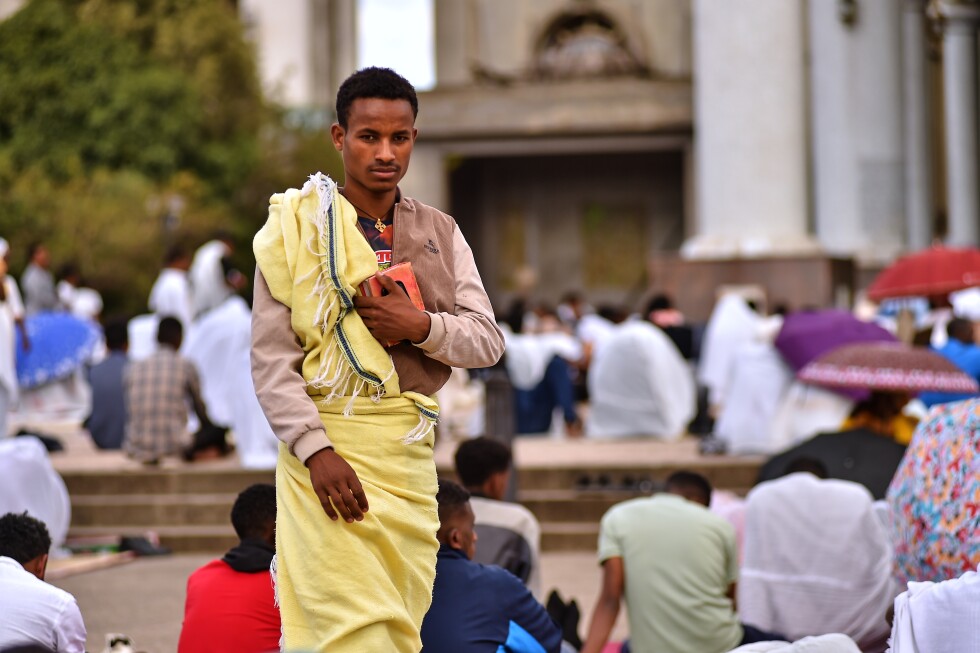
Millions of Ethiopian Orthodox Christians marked Good Friday with traditional observances in Addis Ababa yesterday, though celebrations leading up to Easter Sunday have been significantly affected by ongoing fuel shortages and escalating food prices linked to regional instability.
Unlike Western Christianity, which celebrated Easter on April 5 this year, Ethiopia’s Orthodox Christians follow their own calendar, with Easter falling this weekend. The holy day comes after the completion of “Abiy Tsom,” a rigorous 55-day fast that represents one of the most important spiritual periods in the Ethiopian Orthodox tradition.
Throughout Addis Ababa, worshippers dressed in traditional white garments participated in communal prayers marking Good Friday. The observance typically leads to a night of vigil during which the faithful seek forgiveness and spiritual renewal before celebrating the resurrection on Easter Sunday.
However, the festive atmosphere has been tempered by economic hardships facing many Ethiopians. Samuel Teshome, a resident of Addis Ababa, explained that the traditional practice of slaughtering animals for the feast has become financially prohibitive for many families.
“The price of sheep has nearly doubled compared to last year,” Teshome said. “My family simply cannot afford it this Easter.”
Fellow resident Sirawdink Admaus noted similar price increases affecting poultry. “Even a rooster costs almost twice what it did before,” he said, highlighting how inflation has impacted even more modest Easter meal options.
Local vendors attribute these steep price increases primarily to transportation challenges. With Ethiopia experiencing a severe fuel shortage, the cost of bringing livestock from rural areas to urban markets has surged dramatically, with those expenses passed on to consumers.
The fuel crisis has created visible disruption across the capital, with most gas stations empty and vehicles forming long queues at the few stations with supply. Some businesses and individuals have resorted to purchasing fuel on the black market, where prices are significantly inflated.
Tefera Aragaw, who drives a minibus taxi in Addis Ababa, described how the fuel shortage has directly affected his livelihood and holiday plans. “We have been waiting for three days at this station, spending nights here just hoping for fuel,” he said. “There’s a real possibility we won’t get any at all, which means I can’t work and won’t be able to properly celebrate Easter with my family.”
The Ethiopian government has implemented emergency measures to address the crisis, including directing most public servants to work from home to reduce fuel consumption and prioritizing fuel allocation for essential services. These steps, while necessary for resource management, further underscore the severity of the situation facing the country during this important religious period.
Ethiopia’s fuel challenges reflect broader economic pressures affecting the Horn of Africa. While global oil markets have experienced volatility due to conflicts in the Middle East, Ethiopia faces particular vulnerability as it relies entirely on imported petroleum products. The country spends approximately $4 billion annually on fuel imports, putting significant pressure on its foreign currency reserves.
For Ethiopia’s Orthodox Christians, who comprise roughly 43% of the country’s 120 million population, Easter represents not just a religious observance but a time of community gathering and celebration. The current economic constraints have transformed what should be a joyous occasion into one that highlights the daily struggles many Ethiopians face.
Despite these challenges, churches across Addis Ababa were filled to capacity for Good Friday services, demonstrating the enduring importance of faith traditions even amid economic hardship. Many worshippers expressed hope that the spiritual significance of Easter would provide comfort during these difficult times.
As Ethiopia approaches Easter Sunday, the contrast between spiritual richness and material constraint offers a poignant reflection of the country’s current circumstances – a nation with deep religious traditions navigating modern economic challenges.
Fact Checker
Verify the accuracy of this article using The Disinformation Commission analysis and real-time sources.

12 Comments
It’s really disheartening to see the economic difficulties in Ethiopia overshadowing the sacred Easter celebrations. The faithful must be feeling the weight of these burdens as they try to observe their important traditions.
Hopefully the government can find ways to alleviate the fuel shortages and rising prices so that the people can celebrate with more joy and less worry.
It’s always distressing to see religious and cultural celebrations disrupted by economic hardship. The Ethiopian Orthodox faithful must be feeling deeply frustrated that their joyous Easter traditions are being marred by practical concerns.
Hopefully the government can take steps to ensure that the people can observe these sacred holidays with the appropriate dignity and community spirit.
The ripple effects of regional instability are really taking a toll on the people of Ethiopia. It’s a shame that the solemn reflections and festive traditions of Easter have to be overshadowed by practical concerns like fuel shortages and food prices.
I wonder what specific policies or aid programs could help support Ethiopian families during this difficult time.
This is a tough situation for the Ethiopian Orthodox Christians who are trying to observe Easter traditions while grappling with the fallout from regional instability. The spiritual significance of this holiday must be especially poignant amidst the practical hardships.
I wonder if there are any international aid efforts or charitable initiatives that could provide targeted support to Ethiopian families during this challenging time.
The fuel crisis and rising costs in Ethiopia are really unfortunate timing as the country celebrates Easter. These economic challenges must be putting a major damper on the usually vibrant festivities.
I hope the Ethiopian people are still finding ways to come together and celebrate the resurrection, despite the difficult circumstances.
Sad to see the fuel crisis and rising costs dampening the joyous Easter celebrations in Ethiopia. This is a difficult time for many families as they try to balance religious observance with the economic realities of the day.
I hope the government can find ways to alleviate the burdens on citizens during this important spiritual season.