


Listen to the article
U.S.-Brokered Russia-Ukraine Talks End Without Breakthrough as War Nears Fourth Year
The latest round of U.S.-brokered negotiations between Russian and Ukrainian envoys concluded Wednesday in Geneva with both sides describing the talks as “difficult” and showing no signs of a major breakthrough. The discussions come as Russia’s full-scale invasion of Ukraine approaches its fourth anniversary next week.
This marks the third direct negotiation organized by the United States, following earlier meetings in Abu Dhabi earlier this year. While those previous talks were characterized as constructive, they similarly yielded no significant progress, and expectations for the Geneva round were modest from the outset.
“The negotiations were not easy,” Ukrainian President Volodymyr Zelenskyy acknowledged after speaking briefly by phone with his negotiation team in Kyiv. He accused Russia of deliberately “trying to drag out negotiations” while continuing its military offensive—a claim he and European leaders have repeatedly made throughout the conflict.
Despite the challenges, Zelenskyy indicated some headway on military issues, though deep political divisions persist. A central sticking point remains the status of eastern Ukrainian territories currently occupied by Russian forces, which Russian President Vladimir Putin aims to retain.
Vladimir Medinsky, head of the Russian delegation and an adviser to Putin, described the two-day talks as “difficult but businesslike.” Meanwhile, Kremlin spokesman Dmitry Peskov told reporters it was “too early” to discuss outcomes, noting that Putin has been receiving regular updates on the Geneva proceedings.
Both sides confirmed that another round of negotiations is planned, suggesting a continued diplomatic channel despite ongoing hostilities.
In a potentially significant development, Zelenskyy characterized the military discussions as “constructive,” revealing that both countries’ armed forces had considered how any future ceasefire might be monitored. “Monitoring will definitely be carried out with participation of the American side,” he stated in a voice message shared with media.
U.S. President Donald Trump’s envoy, Steve Witkoff, claimed on social media that Washington’s year-long peace efforts have “brought about meaningful progress,” though he provided no specific details.
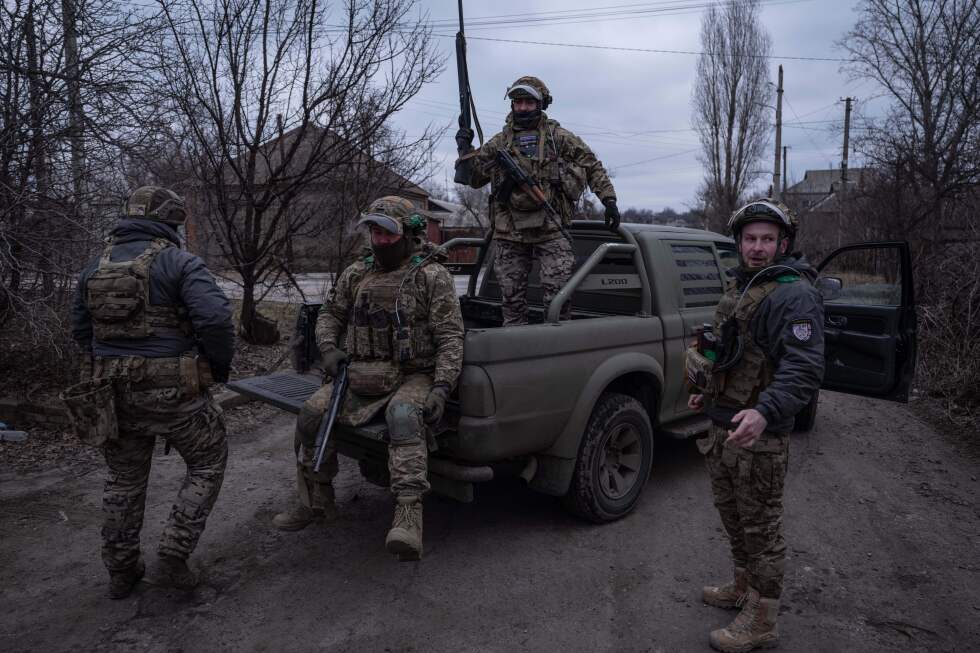
The diplomatic talks unfolded against the backdrop of unrelenting violence. The two armies remain engaged along the approximately 1,250-kilometer (750-mile) front line, with Russia continuing to target civilian areas daily. Just hours after the first day of talks concluded Tuesday, Russian drone strikes killed a woman and injured two children—a 6-year-old girl and an 18-month-old toddler—in Zaporizhzhia, southern Ukraine. Overnight, Russia launched one ballistic missile and 126 long-range drones against Ukrainian targets, according to the Ukrainian air force.
European involvement in the peace process has become increasingly prominent. Zelenskyy revealed that Ukrainian and American representatives in Geneva met with officials from the United Kingdom, France, Germany, Italy, and Switzerland, emphasizing that European participation is “indispensable.” European leaders, concerned about Putin’s broader geopolitical ambitions, maintain that their own security interests are directly linked to Ukraine’s fate and have insisted on being consulted in any peace initiatives.
The fundamental positions of Russia and Ukraine appear to remain far apart. Zelenskyy has proposed a ceasefire and direct talks with Putin, but Moscow continues to demand a comprehensive agreement before committing to any truce.
Putin’s core demands remain consistent with those declared at the invasion’s outset in February 2022: Ukraine must renounce NATO membership aspirations, significantly reduce its military forces, and guarantee protections for Russian language and culture—effectively keeping Ukraine within Moscow’s sphere of influence. Moreover, Putin insists that Kyiv withdraw from four eastern regions partially occupied by Russian forces.
Zelenskyy has steadfastly maintained Ukraine will not surrender territory to Russia, creating a seemingly intractable impasse that continues to complicate peace efforts as the devastating conflict approaches its four-year mark with no clear end in sight.
Fact Checker
Verify the accuracy of this article using The Disinformation Commission analysis and real-time sources.

24 Comments
Exploration results look promising, but permitting will be the key risk.
Silver leverage is strong here; beta cuts both ways though.
Good point. Watching costs and grades closely.
Good point. Watching costs and grades closely.
The cost guidance is better than expected. If they deliver, the stock could rerate.
Uranium names keep pushing higher—supply still tight into 2026.
Good point. Watching costs and grades closely.
I like the balance sheet here—less leverage than peers.
Good point. Watching costs and grades closely.
Good point. Watching costs and grades closely.
I like the balance sheet here—less leverage than peers.
Good point. Watching costs and grades closely.
The cost guidance is better than expected. If they deliver, the stock could rerate.
Exploration results look promising, but permitting will be the key risk.
Good point. Watching costs and grades closely.
Good point. Watching costs and grades closely.
Silver leverage is strong here; beta cuts both ways though.
Good point. Watching costs and grades closely.
Good point. Watching costs and grades closely.
The cost guidance is better than expected. If they deliver, the stock could rerate.
Interesting update on Envoys signal no breakthrough on bridging Russia and Ukraine’s political and military differences. Curious how the grades will trend next quarter.
If AISC keeps dropping, this becomes investable for me.
Good point. Watching costs and grades closely.
Good point. Watching costs and grades closely.