


Listen to the article
Mexican drug cartels are strategically avoiding American targets to prevent U.S. retaliation, security experts report. This calculated approach has intensified following recent high-profile actions by the Trump administration, including the killing of “El Mencho,” the powerful leader of the Mexican Jalisco New Generation Cartel (CJNG) last month.
After El Mencho’s death, White House press secretary Karoline Leavitt issued a stark warning on Fox & Friends: “The Mexican drug cartels know not to lay a finger on a single American, or they will pay severe consequences under this president.”
Security analysts point to President Trump’s designation of cartels as foreign terrorist organizations and operations abroad—such as the capture of Nicolás Maduro and the killing of Ayatollah Khamenei in Iran—as reinforcing the cartels’ perception of heightened risk should they target U.S. citizens.
“Of course, drug cartels are afraid of President Trump since he declared them terrorist organizations. That may be one of the reasons why they don’t attack American citizens or tourists,” cartel expert and activist Elena Chávez told Fox News Digital.
According to Chávez, cartels have modernized their operations and maintain sophisticated intelligence networks. “They know there are bounties on their heads. That’s why they fear the United States, even more so since Trump became president and declared the cartels terrorist organizations.”
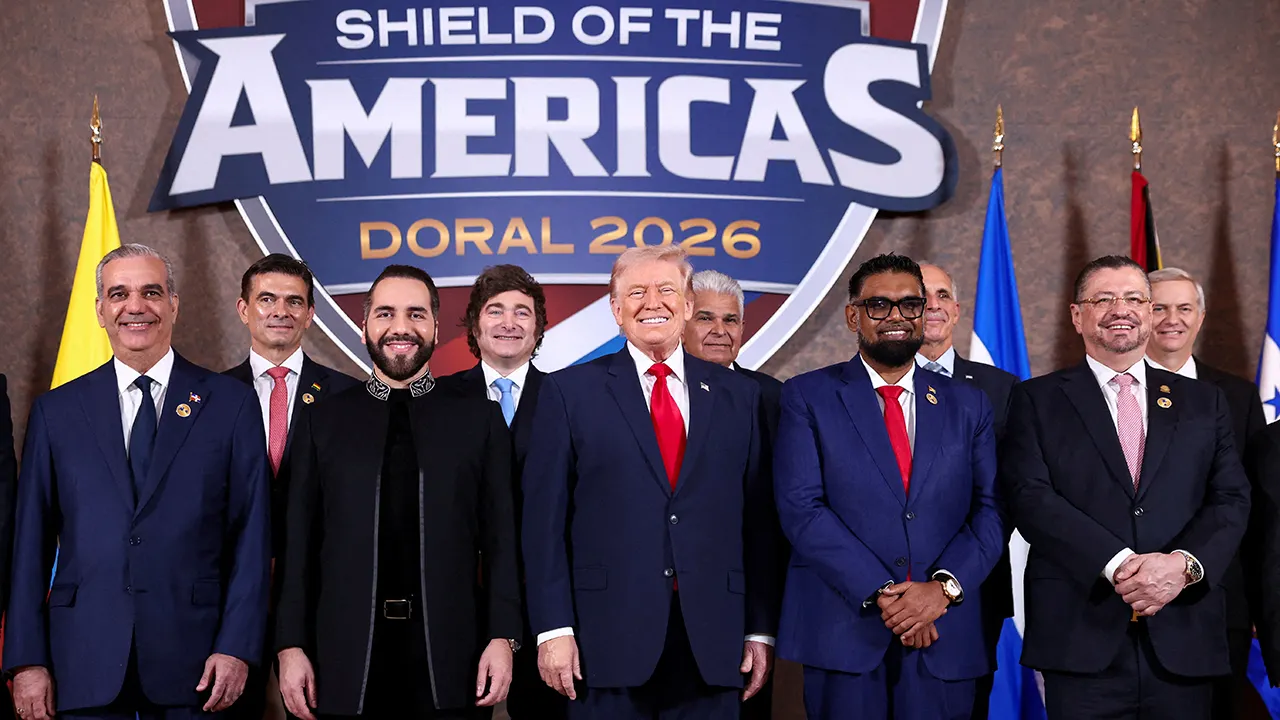
The pressure on cartels increased further when Trump spoke Saturday at the newly formed Shield of the Americas Summit in Florida. This coalition of 12 Latin American and Caribbean nations aims to combat cartel activity across the region. During the summit, Trump issued a clear threat: “We have to knock the hell out of them because they’re getting worse. They’re taking over their country. The cartels are running Mexico. We can’t have that. Too close to us.”
Samuel González, a national security expert and former prosecutor specializing in organized crime, explained that cartels adhere to an unwritten rule regarding American visitors. “Right now, there must be more than a million Americans coming to Mexico to spend their vacations in their homes. The drug cartels don’t mess with them or their homes. They know there’s no way to avoid a reaction from the United States if they mess with its citizens.”
Historical precedents have taught cartels valuable lessons about U.S. retaliation. González cited the 1985 kidnapping, torture, and murder of DEA agent Enrique “Kiki” Camarena by the Guadalajara Cartel, which triggered “Operation Leyenda” and revealed collusion between drug traffickers and Mexican officials. Similarly, the 2011 killing of ICE/HSI Special Agent Jaime Zapata by Los Zetas gunmen prompted intense U.S. pressure on Mexico, resulting in multiple arrests.
Francisco Rivas, Director General of the National Citizen Observatory, noted that crimes against foreigners receive disproportionate attention from Mexican authorities. “Drug traffickers are much more afraid of attacking a foreigner than a Mexican because crimes against foreigners are prosecuted much more severely by the Mexican authorities. The greater media pressure when the victim is a foreigner creates more incentive for the police and prosecutors to investigate.”
Rivas emphasized that most violence in Mexico affects Mexicans, particularly those with connections to cartel business. “More than 90% of intentional homicides and disappearances are related to people who had specific contact with the cartels, primarily for business reasons.”
Security experts observe that cartels closely monitor political rhetoric in Washington, especially statements suggesting potential U.S. military action or expanded cross-border operations. The debate over designating cartels as terrorist organizations has resurfaced in recent years, with supporters arguing it would provide additional tools to disrupt their financial and logistical networks.
Former federal officials stress that cartels’ avoidance of American targets is less ideological and more about risk management. High-profile attacks on U.S. citizens generate intense media coverage, diplomatic strain, and increased enforcement that disrupts trafficking routes—all detrimental to their primary objective of protecting revenue streams.
While millions of Americans travel safely to Mexico each year, law enforcement officials caution that criminal violence remains widespread in regions where cartels operate. Analysts widely agree that cartel decision-making is driven by financial incentives and survival calculations, with actions likely to trigger direct U.S. retaliation viewed as counterproductive to their interests.
Fact Checker
Verify the accuracy of this article using The Disinformation Commission analysis and real-time sources.

23 Comments
Exploration results look promising, but permitting will be the key risk.
Good point. Watching costs and grades closely.
The cost guidance is better than expected. If they deliver, the stock could rerate.
I like the balance sheet here—less leverage than peers.
Good point. Watching costs and grades closely.
The cost guidance is better than expected. If they deliver, the stock could rerate.
Nice to see insider buying—usually a good signal in this space.
Good point. Watching costs and grades closely.
Good point. Watching costs and grades closely.
I like the balance sheet here—less leverage than peers.
Good point. Watching costs and grades closely.
Good point. Watching costs and grades closely.
Interesting update on Drug Cartels Adjust Strategy Amid Fears of US Retaliation Under Trump-Era Policies. Curious how the grades will trend next quarter.
Good point. Watching costs and grades closely.
Good point. Watching costs and grades closely.
Nice to see insider buying—usually a good signal in this space.
Good point. Watching costs and grades closely.
Uranium names keep pushing higher—supply still tight into 2026.
The cost guidance is better than expected. If they deliver, the stock could rerate.
Silver leverage is strong here; beta cuts both ways though.
Nice to see insider buying—usually a good signal in this space.
Production mix shifting toward World might help margins if metals stay firm.
Good point. Watching costs and grades closely.