


Listen to the article
Congo and M23 Rebels Trade Accusations as Ceasefire Falters
Tensions escalated in eastern Congo this week as the government and Rwanda-backed M23 rebels exchanged accusations of violating a fragile ceasefire agreement meant to end the long-running conflict in the mineral-rich region.
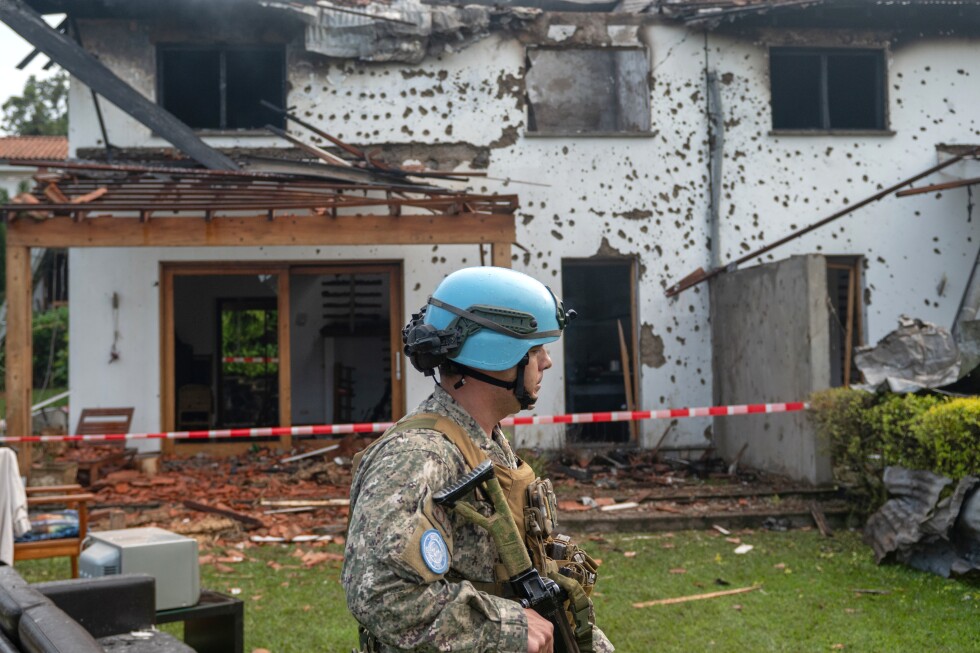
The latest round of violence was marked by a deadly drone strike on Tuesday that killed a French United Nations staffer in the strategic city of Goma. The M23 rebels blamed Congolese forces for the attack, which came less than a month after a similar strike killed the rebel group’s spokesperson and injured several others.
“We remain committed to peace efforts if Congo’s army refrains from attacking our positions and assassinating our leaders, soldiers, and innocent civilians,” M23 spokesperson Lawrence Kanyuka told The Associated Press.
Congolese government spokesman Patrick Muyaya confirmed that authorities are investigating this week’s deadly strike but offered no details about other drone operations in the region. He instead accused the M23 of breaking the ceasefire terms while insisting that the government remains committed to previously negotiated peace agreements.
The renewed hostilities have cast doubt on two parallel peace initiatives—one mediated by the United States and another backed by Qatar—aimed at resolving a conflict that has created one of the world’s largest humanitarian disasters with at least 7 million people displaced in eastern Congo.
Former U.S. President Donald Trump helped broker discussions between Congo and neighboring Rwanda, which is widely seen as an indirect but influential player in the conflict. Although the U.S.-led initiative also involved a minerals deal granting America access to Congo’s vast natural resources, the fighting has continued unabated.
Data from the U.S.-based Armed Conflict Location & Event Data (ACLED) shows an asymmetric pattern of violence in the region. The organization attributes at least 60 drone strikes to the Congolese military in 2026, while rebels have been responsible for less than 5% of such attacks in the past year.
“Heavy artillery has been used on densely populated areas throughout the conflict since 2021, and we see that in the latest attack in Goma,” said Christian Rumu, a senior campaigner with Amnesty International. He added that Congolese civilians “do not feel any positive change” resulting from the various peace agreements.
Local residents continue to report clashes between M23 fighters and Congolese forces, sometimes joined by the local Wazalendo militia. These confrontations have forced thousands of civilians to flee their homes in recent weeks, further exacerbating the humanitarian crisis in a region already devastated by decades of conflict.
The situation in eastern Congo has been further complicated by the recent discovery of mass graves, highlighting the human cost of a war that has persisted despite multiple international mediation efforts. Independent verification of events in the affected areas remains difficult due to security concerns and limited access for journalists and human rights observers.
Congo’s eastern provinces contain some of the world’s most valuable mineral deposits, including cobalt, coltan, and gold—resources essential to global technology supply chains. This natural wealth has long been a factor in the region’s conflicts, with various armed groups vying for control over mining areas.
As peace talks falter and civilian casualties mount, the international community faces growing pressure to develop more effective strategies for addressing the complex web of local, regional, and international interests driving the conflict in eastern Congo.
Fact Checker
Verify the accuracy of this article using The Disinformation Commission analysis and real-time sources.

12 Comments
This is a concerning development in the ongoing conflict in eastern Congo. The drone strike and clashes threaten to derail delicate peace efforts in the mineral-rich region. Both sides must exercise restraint and remain committed to the ceasefire agreement to avoid further escalation.
This situation is deeply troubling. Drone strikes and clashes in eastern Congo threaten not only the region’s fragile peace efforts but also the safety and security of local communities. All parties must uphold the ceasefire agreement and engage in good-faith negotiations to find a diplomatic solution.
It’s disheartening to see the peace efforts in eastern Congo being undermined by renewed violence. The drone strike and clashes between government forces and M23 rebels are a troubling escalation. All parties must recommit to the ceasefire and engage in inclusive dialogue to find a sustainable solution to this long-running conflict.
I agree, the cyclical nature of violence in this region is deeply concerning. A comprehensive peace agreement that addresses the root causes of the conflict is essential for establishing lasting stability.
The eastern Congo region is strategically important due to its vast mineral resources, including gold, copper, and cobalt. Maintaining stability and security in this area is crucial not just for the local population, but also for global supply chains of critical raw materials. I hope the warring parties can find a path to lasting peace.
It’s distressing to see the violence and instability continuing in eastern Congo. The drone strike that killed a UN staffer is particularly troubling. All parties involved must prioritize the safety and well-being of civilians and find a diplomatic solution to end this long-running conflict.
I agree. Civilian casualties are unacceptable, and the UN presence in the region is vital for protecting vulnerable populations. A negotiated settlement is the only way to achieve lasting peace.
The Congo’s mineral wealth has long been a source of conflict and exploitation. While I understand the complex geopolitical dynamics at play, I hope the warring factions can put the needs of the Congolese people first and work towards a sustainable peace agreement.
You make an important point. The Congolese people have suffered immensely due to this conflict. Lasting peace and equitable development of the region’s resources should be the top priorities.
The violence in eastern Congo is deeply concerning, particularly the use of drone strikes which have resulted in civilian casualties. All parties must exercise restraint, respect the ceasefire, and prioritize diplomatic solutions over military action. The region’s stability and the well-being of its people should be the top priorities.
This is a complex and challenging situation with high stakes for the region and the global economy. The mineral resources in eastern Congo are critical, but the ongoing conflict has exacted a heavy toll on local communities. I hope the warring factions can find a way to resolve their differences through peaceful negotiations and uphold the fragile ceasefire.
The mineral wealth of eastern Congo has been both a blessing and a curse for the region. While these resources are critical for global supply chains, the conflict over their control has devastated local populations. I hope the warring factions can put aside their differences and work towards a peaceful resolution that prioritizes the well-being of the Congolese people.