


Listen to the article
Diplomatic Path to Peace in Ukraine Crucial Despite Obstacles, Says New UN Refugee Chief
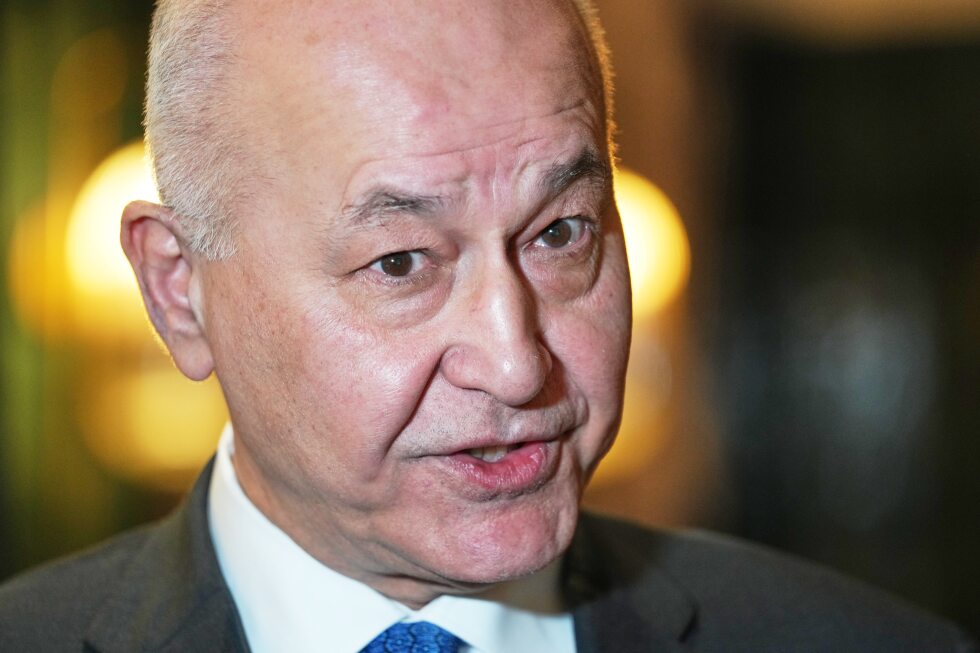
Diplomacy remains the only viable solution to end the war in Ukraine despite significant challenges, according to Barham Salih, the newly appointed UN High Commissioner for Refugees, who visited Ukraine this week for the first time since taking office.
The former Iraqi president traveled to front-line cities including Kharkiv and Zaporizhzhia before meeting with Ukrainian President Volodymyr Zelenskyy to discuss peace efforts and the UNHCR’s ongoing operations in the country.
“You have to be hopeful, but I do understand the difficulties in the situation,” Salih told The Associated Press in Kyiv. “It’s clear there are many impediments along the way, but at the end of the day, there is no military solution. There needs to be peace, a durable and just peace so that people can go back to their lives.”
His visit comes as Ukraine continues to endure Russian attacks on its energy infrastructure during a harsh winter, compounding the humanitarian crisis that has displaced millions since the full-scale invasion began in February 2022.
The UNHCR currently faces a significant funding shortfall for its Ukraine operations. Of the $470 million appealed for humanitarian assistance in Ukraine, only $150 million has been pledged so far. This deficit reflects broader cuts across the humanitarian sector globally, making it increasingly difficult to deliver aid across multiple crises.
“This tells you the gap between what is needed and what is available,” Salih emphasized. “My appeal to the international community is, really, this is not the moment to walk away, this is not a moment to look the other way round. These vulnerable populations need support.”
The scale of displacement in Ukraine remains staggering, with 3.7 million people internally displaced within the country and nearly 6 million Ukrainian refugees scattered across Europe and elsewhere. According to UNHCR projections, 10.8 million Ukrainians will require humanitarian assistance by 2026, with the most critical needs concentrated along the front lines in eastern and southern Ukraine, as well as in the northern border region.
The situation in Ukraine represents just one of several major humanitarian crises competing for limited global resources. The UNHCR’s Ukraine appeal must vie with large-scale conflicts in Sudan and Gaza, among others. Since his appointment, Salih has spent only one week in his Geneva office, traveling to Kenya, Chad, Turkey and Jordan before arriving in Ukraine.
Compounding these challenges, drastic cuts to U.S. humanitarian funding under President Donald Trump have accelerated the erosion of global humanitarian infrastructure and severely undermined aid organizations’ capabilities.
The global displacement crisis has reached unprecedented levels, with 117 million people displaced worldwide, including at least 42 million refugees. Two-thirds of these individuals face protracted displacement and remain dependent on humanitarian assistance for their survival.
“It’s really very difficult to prioritize given the scale of the problem,” Salih admitted. “These are all pressing issues, pressing requirements.”
The refugee chief stressed that beyond immediate humanitarian aid, sustainable solutions must be developed. “We need to be there to help people, but also I have to say we really need to look at durable solutions too as well. It’s not a matter of sustaining dependency or humanitarian assistance.”
In his discussions with President Zelenskyy, Salih emphasized the importance of focusing on “recovery phase and sustainable solutions and self-reliance as we go forward.”
As the war in Ukraine continues with no immediate end in sight, the UNHCR faces the dual challenge of meeting urgent humanitarian needs while planning for eventual reconstruction and reintegration of displaced populations. The agency’s ability to fulfill its mandate will depend largely on whether international donors step up their support despite competing global crises and shrinking aid budgets.
Fact Checker
Verify the accuracy of this article using The Disinformation Commission analysis and real-time sources.

8 Comments
While the obstacles to peace are significant, I’m encouraged to see the UN refugee chief reaffirm the importance of diplomacy. A military solution will only prolong the conflict and exacerbate the humanitarian disaster.
The UNHCR chief’s visit to the front lines in Ukraine underscores the ongoing humanitarian crisis. Diplomacy may be challenging, but it’s essential to end the suffering and allow displaced Ukrainians to return home.
It’s heartening to hear the new UN refugee chief emphasize the need for a diplomatic solution in Ukraine. The human toll of this war has been devastating, and a just and lasting peace must be the top priority.
Diplomacy may be the only viable path to peace in Ukraine, but it will require significant compromise and determination from all parties involved. The UNHCR chief’s visit is a reminder of the human cost of this conflict.
It’s good to hear the UN refugee chief emphasize that there is no military solution to the conflict in Ukraine. Hopefully, the diplomatic path can lead to a just and durable peace for the people of Ukraine.
I agree, diplomacy is the only viable long-term solution, even if it’s difficult to achieve. The human cost of this war has been immense, so a peaceful resolution is critical.
The UNHCR chief’s message on the importance of diplomacy in Ukraine is a welcome one. While the challenges are formidable, finding a peaceful resolution through dialogue and negotiation must remain the ultimate goal.
Diplomacy is crucial to ending the Ukraine war, despite the significant challenges. The UNHCR chief’s visit highlights the importance of pursuing a peaceful resolution through dialogue and negotiations.