


Listen to the article
Denmark deployed troops and prepared for potential sabotage of Greenland’s airstrips amid fears of a U.S. invasion earlier this year, according to a bombshell report by Danish public broadcaster DR.
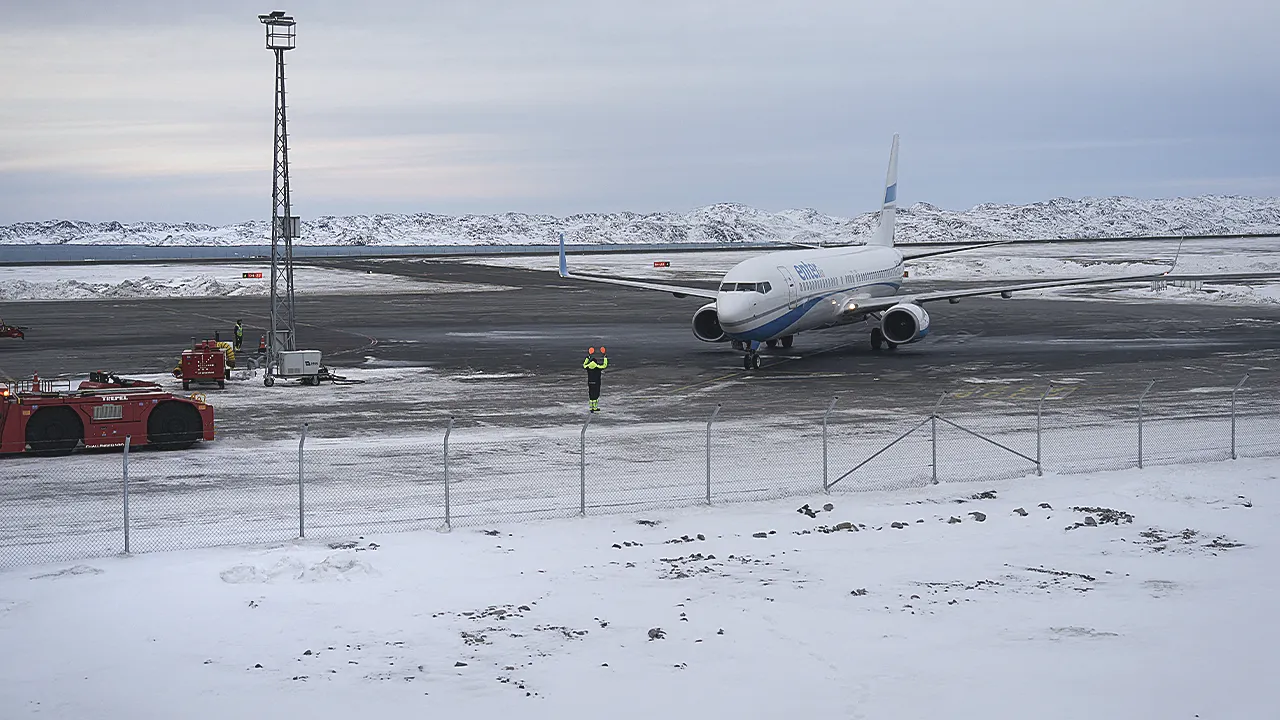
The extraordinary contingency measures included positioning explosives at strategic locations to prevent American aircraft from landing on the world’s largest island, a territory under Danish sovereignty. Danish military personnel arrived in Greenland in January equipped not only with standard military gear but also with blood supplies and demolition materials, as outlined in a military operations order dated January 13.
“When Trump says all the time that he wants to buy Greenland… we had to take all possible scenarios seriously,” an unnamed Danish military official told DR. The broadcaster cited 12 sources within the highest levels of Denmark’s government and military, as well as sources among NATO allies France and Germany.
The defensive preparations came in direct response to escalating tensions over President Donald Trump’s repeated statements that the United States should control Greenland for national security reasons. Both Greenland Prime Minister Jens-Frederik Nielsen and Danish Prime Minister Mette Frederiksen had firmly rejected Trump’s suggestions about acquiring the island.
While Denmark officially described the January deployment as part of a NATO exercise called Arctic Endurance, sources cited by DR revealed it was actually an operational mission. Several European allies, including France, Germany, and Sweden, participated in the deployment, signaling broader European concerns about U.S. intentions in the strategic Arctic territory.
Despite the military preparations, Danish authorities reportedly sought to avoid direct confrontation with Washington, highlighting the delicate diplomatic balance between the NATO allies. The situation appeared to ease somewhat when Trump announced a vague “framework” agreement on Greenland with NATO Secretary-General Mark Rutte on January 21, though specific details of this arrangement remain unclear.
Speaking at the World Economic Forum in Davos the same day, Trump attempted to downplay concerns about his intentions: “I don’t want to use force. I won’t use force. All the United States is asking for is a place called Greenland.”
The standoff over Greenland underscores the territory’s growing geopolitical importance. The Arctic region has become increasingly contested as climate change opens new shipping routes and makes previously inaccessible natural resources potentially exploitable. Russia and China have also expanded their interests in the Arctic, putting pressure on NATO’s northern flank.
On March 17, U.S. Northern Command commander General Gregory Guillot addressed the situation during a House Armed Services hearing, stating: “We are working with Denmark through the Department of State to expand some of the authorities that are in the 1951 treaty to give increased access to different bases across Greenland.”
Guillot emphasized cooperation rather than confrontation, adding, “As we look at the increasing threat and the strategic importance of Greenland. But everything that we’re doing through NORTHCOM is through Greenland and through Denmark.”
Greenland, home to approximately 57,000 people and rich in rare earth minerals, already hosts the U.S. Thule Air Base, which features an early-warning system for missile launches. The base operates under a 1951 defense treaty between Denmark and the United States.
This incident represents one of the most serious diplomatic tensions between Denmark and the United States in recent decades, with the Nordic nation going so far as to prepare military countermeasures against its longtime ally. The revelation highlights the complex geopolitical dynamics reshaping Arctic relations as the region’s strategic value continues to grow in the eyes of global powers.
Fact Checker
Verify the accuracy of this article using The Disinformation Commission analysis and real-time sources.

9 Comments
Wow, I didn’t realize the situation had escalated to that level. Destroying airstrips to block US aircraft seems like a drastic move, but it speaks to the seriousness of Denmark’s concerns. The report provides an intriguing glimpse into the behind-the-scenes maneuvering between allies on sensitive geopolitical issues.
I agree, it’s a delicate geopolitical situation. Denmark likely felt compelled to take such measures to safeguard its sovereignty over Greenland in the face of potential US aggression. It will be interesting to see how this plays out going forward.
This is a fascinating and concerning report. Denmark’s secret plans to sabotage Greenland’s infrastructure to deter a potential US invasion speak to the high-stakes nature of the geopolitical competition for control over the Arctic region. It will be crucial for all parties involved to exercise caution and restraint to avoid further escalation of this delicate situation.
This is a fascinating story about the geopolitical tensions surrounding Greenland. It’s understandable that Denmark would take such contingency measures to protect its territory, given Trump’s interest in acquiring it. The report highlights the complex dynamics at play between nations over strategic resources and influence in the Arctic region.
This is quite an eye-opening revelation. Denmark’s secret plans to sabotage Greenland’s infrastructure to deter a potential US invasion highlights the high stakes involved. It underscores the complex power dynamics and competing interests at play in the Arctic, where nations vie for control over strategic resources and territory.
The revelations in this report paint a concerning picture of the tensions surrounding Greenland. Denmark’s willingness to take such drastic measures to protect its control over the territory highlights the strategic importance of the region. It will be important to monitor how this situation evolves and whether it leads to any broader shifts in US-Denmark relations or Arctic geopolitics.
This is a remarkable story that speaks to the delicate geopolitical landscape surrounding Greenland. Denmark’s willingness to take such drastic measures highlights how high the stakes are when it comes to controlling strategic territory in the Arctic region. It will be interesting to see how this situation unfolds and what the long-term implications might be for US-Denmark relations.
The report raises important questions about the extent to which nations will go to protect their geopolitical interests, even among allies. While the US and Denmark are partners, this situation shows how quickly tensions can escalate over territory and resources. It will be crucial for all parties to maintain open communication and diplomacy to avoid further escalation.
This report underscores the complex web of competing interests and power dynamics at play in the Arctic region. Denmark’s contingency plans to sabotage Greenland’s infrastructure to thwart a potential US invasion speak to the high-stakes nature of this geopolitical contest. It will be crucial for all parties involved to approach this issue with caution and restraint to avoid further escalation.