


Listen to the article
Iranian Protest Death Toll Surpasses 2,000 as Communications Partially Resume
The death toll from nationwide protests in Iran has climbed to at least 2,003 people, according to the U.S.-based Human Rights Activists News Agency (HRANA), marking the deadliest period of civil unrest in the country since the 1979 Islamic Revolution.
For the first time in days, Iranians were able to make outbound phone calls on Tuesday as authorities partially restored communications following a sweeping blackout imposed during the government crackdown on demonstrators. However, internet access remains severely limited, with Iranians only able to visit government-approved domestic websites.
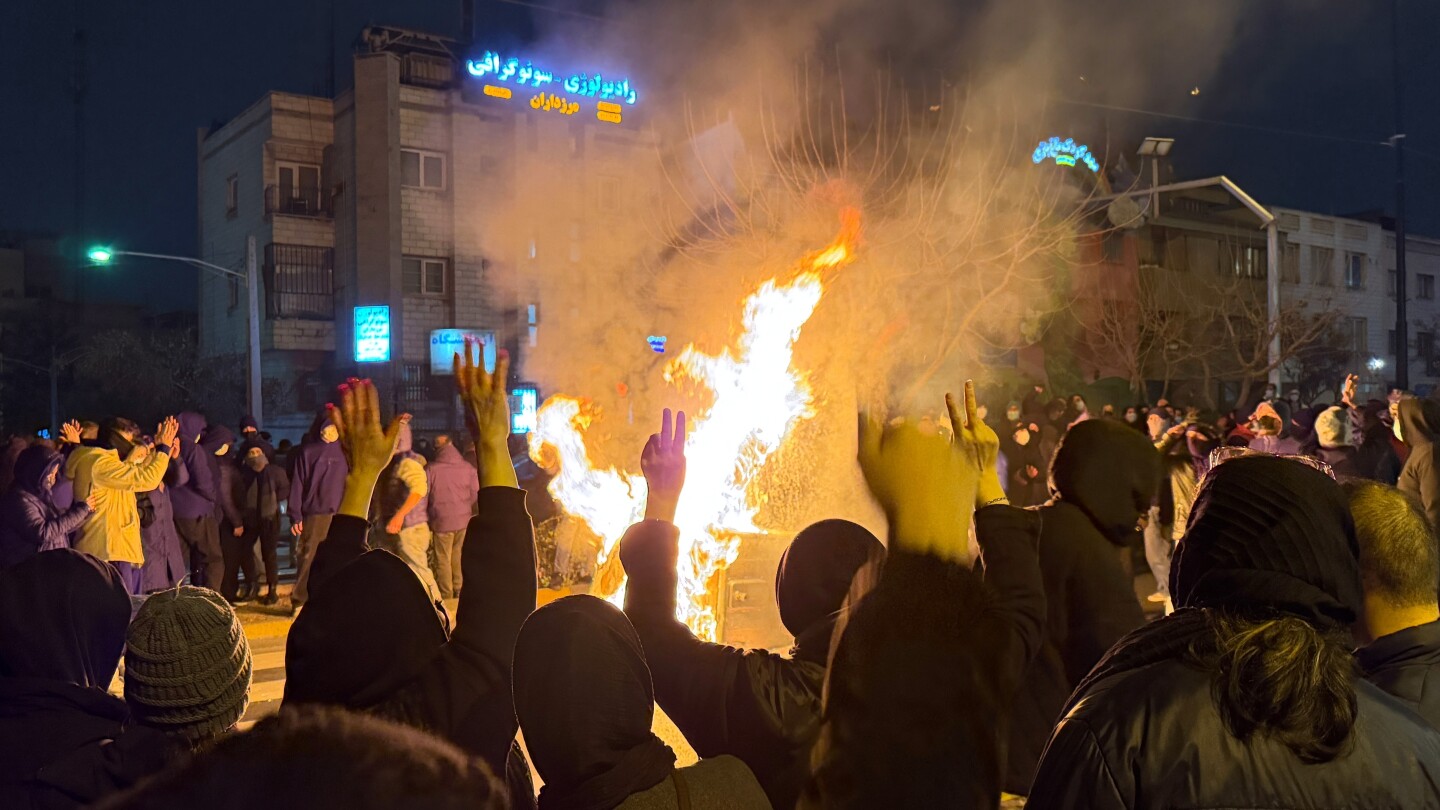
The current protests, which erupted over two weeks ago, initially targeted Iran’s deteriorating economy but quickly evolved into broader anti-government demonstrations aimed directly at the country’s theocratic leadership, including 86-year-old Supreme Leader Ayatollah Ali Khamenei. Images obtained by The Associated Press show graffiti and chants in Tehran calling for Khamenei’s death, an offense that could carry capital punishment in Iran.
Iranian state television acknowledged casualties for the first time, vaguely referring to “a lot of martyrs” and claiming authorities had delayed releasing figures due to the severity of injuries. This statement only came after activist groups published their death counts.
HRANA’s detailed breakdown indicates that 1,850 of the dead were protesters, while 135 were government-affiliated. The organization also reported nine children among the casualties, along with nine civilians allegedly not participating in demonstrations. More than 16,700 people have been detained since the protests began.
“We’re horrified, but we still think the number is conservative,” said Skylar Thompson of HRANA in a statement to the AP. She noted that the death toll had reached four times that of the monthslong 2022 Mahsa Amini protests in just two weeks.
On the ground in Tehran, witnesses described a heavy security presence throughout the capital city. Anti-riot police in full tactical gear carrying batons, shields, shotguns, and tear gas launchers have been stationed at major intersections, alongside plainclothes security officials and members of the Revolutionary Guard’s Basij force armed with firearms and batons.
“People — particularly young ones — are hopeless, but they talk about continuing the protests,” said a taxi driver who identified himself only as Reza, fearing reprisal.
The demonstrations have left visible damage across Tehran, with witnesses reporting burned government buildings, destroyed ATMs, and banks struggling to complete transactions without internet connectivity. The Grand Bazaar, where the protests began on December 28 following the collapse of Iran’s rial currency, reopened Tuesday. Multiple shopkeepers reportedly told a witness that security forces had ordered them to resume business regardless of circumstances.
As the crackdown continues, security personnel appear to be searching for satellite communications equipment. Residents in northern Tehran reported authorities raiding apartment buildings with satellite dishes, looking for Starlink terminals that could bypass the government-imposed internet blackout.
U.S. President Donald Trump weighed in on the situation through his Truth Social platform, writing: “Iranian Patriots, KEEP PROTESTING – TAKE OVER YOUR INSTITUTIONS!!!” He added that he had “cancelled all meetings with Iranian Officials until the senseless killing of protesters STOPS,” though he provided no details about what assistance he meant when saying “HELP IS ON ITS WAY.”
Iranian Foreign Minister Abbas Araghchi claimed in a recent Al Jazeera interview that he continued to communicate with U.S. envoy Steve Witkoff, but top Iranian security official Ali Larijani responded to Trump’s statement by declaring “the names of the main killers of the people of Iran: 1- Trump 2-” Israeli Prime Minister Benjamin Netanyahu.
Meanwhile, Khamenei praised pro-government demonstrations held Monday, which state TV showed attracting tens of thousands of participants chanting “Death to America!” and “Death to Israel!” The Supreme Leader called these rallies “a warning to American politicians to stop their deceit and not rely on traitorous mercenaries.”
Iran’s attorney general has warned that anyone participating in anti-government protests will be considered an “enemy of God,” a charge that carries the death penalty under Iranian law.
Human rights organizations continue to monitor the situation, though independent verification of casualties and events remains challenging due to the communications blackout and restrictions on foreign media.
Fact Checker
Verify the accuracy of this article using The Disinformation Commission analysis and real-time sources.

9 Comments
This is a very concerning situation in Iran. The death toll of over 2,000 protesters is truly tragic. I hope the Iranian authorities can find a peaceful resolution to the unrest and restore full communications soon.
The partial restoration of communications is a positive step, but the continued internet restrictions are troubling. Transparency and open dialogue are crucial during such volatile times.
Agreed. The government needs to allow unfettered access to information and the free exchange of ideas if they hope to resolve this crisis constructively.
The evolution of the protests from economic to anti-government sentiment shows the depth of discontent in Iranian society. Suppressing dissent with violence is unlikely to be a sustainable solution.
Absolutely. The Iranian government needs to engage in genuine dialogue and make concessions if they hope to de-escalate the situation and prevent further bloodshed.
This level of violence against civilian protesters is deeply disturbing. The Iranian regime must be held accountable for the excessive use of force and the tragic loss of life.
It’s concerning to see the parallels drawn to the 1979 revolution. Iran’s leaders should take this as a wake-up call to enact meaningful reforms and address the legitimate grievances of the people.
Graffiti and chants calling for the Supreme Leader’s death are a clear indication of the level of anger and desperation among the protesters. The regime must tread carefully to avoid further inflaming the situation.
The partial restoration of communications is a positive first step, but the government needs to go much further in restoring full internet access and freedom of expression if they want to regain the trust of the people.