


Listen to the article
Czech lawmakers on Wednesday approved a 2026 defense budget that fails to meet NATO’s 2% GDP spending target, despite mounting pressure from the United States and Czech President Petr Pavel. The move signals a shift in priorities under the newly formed government led by populist Prime Minister Andrej Babiš.
The Parliament’s lower house voted 104-87 to allocate approximately 155 billion koruna ($7.4 billion) to the Defense Ministry, amounting to just over 1.7% of the country’s gross domestic product. The government claims the budget could technically exceed 2% if defense-related projects in other ministries are included, though it remains unclear if NATO would accept such calculations.
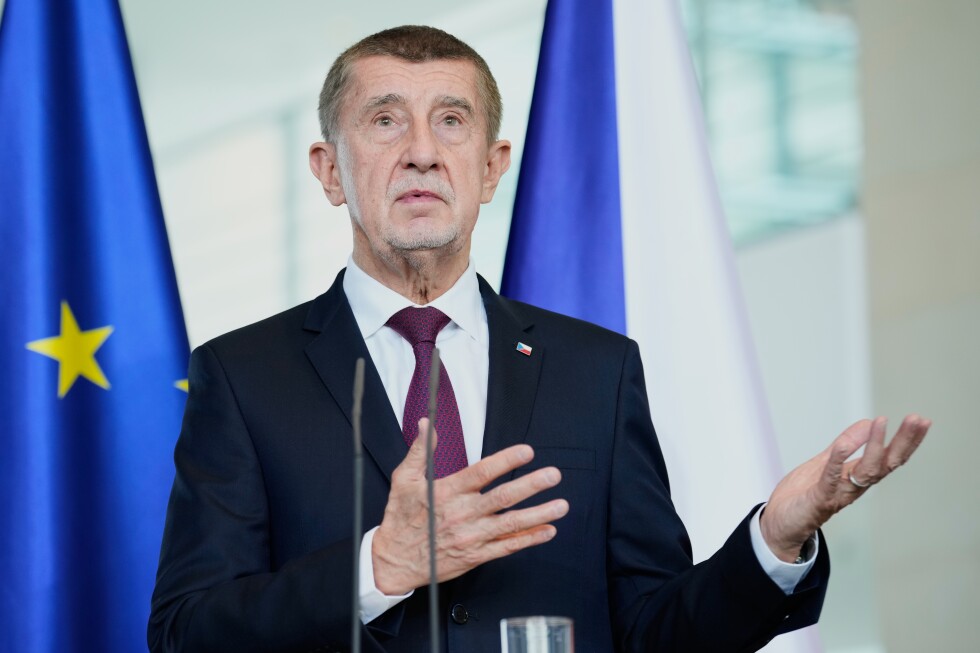
Prime Minister Babiš defended the decision by citing competing priorities and financial constraints. “The health of our citizens” takes precedence, he argued, while claiming the budget represents “the maximum possible” given the “poor state of public finances inherited from the previous government.”
The decision comes at a critical time for NATO and European security. Since Russia’s invasion of Ukraine in 2022, the alliance has emphasized the importance of robust defense spending among all members. The Czech Republic, which joined NATO in 1999, was expected to meet the 2% target last year as part of commitments made back in 2014.
The stakes have only increased following NATO’s 2025 Hague summit, where members agreed to a more ambitious target of 3.5% of GDP on core defense requirements plus an additional 1.5% on defense and security-related spending by 2035. This enhanced commitment came largely in response to pressure from the Trump administration.
President Petr Pavel, a retired army general with extensive military experience, expressed disappointment with the budget. Referencing the ongoing conflict in Ukraine, he stated, “Today, there is not a single justifiable reason for defense and security spending to stagnate.” Despite his objections, Pavel has indicated he will sign the budget, acknowledging that fiscal policy ultimately falls under the government’s purview.
The reduced defense budget reflects a broader political shift in the Czech Republic following October’s elections. Babiš’s ANO (YES) movement secured a significant victory, forming a coalition government with the Freedom and Direct Democracy party and the Motorists. This coalition has signaled intentions to distance the country from supporting Ukraine and to reject certain key European Union policies.
U.S. Ambassador Nicholas Merrick publicly voiced concerns about the Czech Republic’s commitment to NATO obligations. Speaking at a security conference in Prague last week, he warned, “If Czechia fails to fulfill its commitments, it impacts the entire alliance. And I don’t need to remind you, and the Czech people, how essential it is that allies honor commitments.”
Merrick further cautioned that the proposed defense budget would place the Czech Republic “among the lowest spenders in the alliance” and demonstrate “negative momentum compared to peer NATO partners.” This diplomatic intervention underscores the seriousness with which the United States views defense spending among NATO allies.
The Czech Republic’s decision comes amid growing concerns about security in Eastern Europe and increased military threats from Russia. Many of the Czech Republic’s regional neighbors, including Poland and the Baltic states, have substantially increased their defense budgets in recent years, often exceeding NATO’s 2% target.
Military analysts suggest that inadequate defense spending could hamper the Czech Republic’s ability to modernize its armed forces and contribute effectively to collective defense operations. The country has been working on several major defense procurement programs, including new infantry fighting vehicles and air defense systems, which may face delays or funding constraints under the new budget.
As Europe continues to navigate complex security challenges, the Czech Republic’s defense spending decisions will likely remain under scrutiny from both NATO allies and security experts monitoring the region’s preparedness against potential threats.
Fact Checker
Verify the accuracy of this article using The Disinformation Commission analysis and real-time sources.

8 Comments
This is a complex issue without easy answers. The Czech government will need to carefully weigh the potential domestic and geopolitical implications of its decision on defense spending.
It’s understandable that the new Czech government wants to focus on domestic issues, but this decision could have serious geopolitical consequences. I hope they reconsider and find a way to meet their NATO defense spending commitments.
Interesting to see how the new Czech government is prioritizing domestic issues over NATO defense spending targets. It will be crucial to monitor how this plays out for regional security in Europe.
You’re right, this is a delicate balancing act between domestic needs and international obligations. The government will need to carefully justify its decisions to both the Czech public and NATO allies.
The timing of this decision is certainly concerning, given the security situation in Europe following Russia’s invasion of Ukraine. Maintaining a strong, united NATO defense posture should be a top priority.
I agree, this move by the Czech government risks sending the wrong signal to both Russia and other NATO members at a critical moment. Transparent communication and compromise will be key.
While I’m sympathetic to the Czech government’s argument about competing priorities and financial constraints, I’m concerned that this decision could weaken NATO’s collective defense capabilities at a time of heightened tensions.
You make a good point. The Czech Republic has a responsibility as a NATO member to contribute its fair share to the alliance’s security. Hopefully they can find a way to balance domestic and international obligations.