


Listen to the article
French Postal Service Hit by Major Cyberattack Days Before Christmas
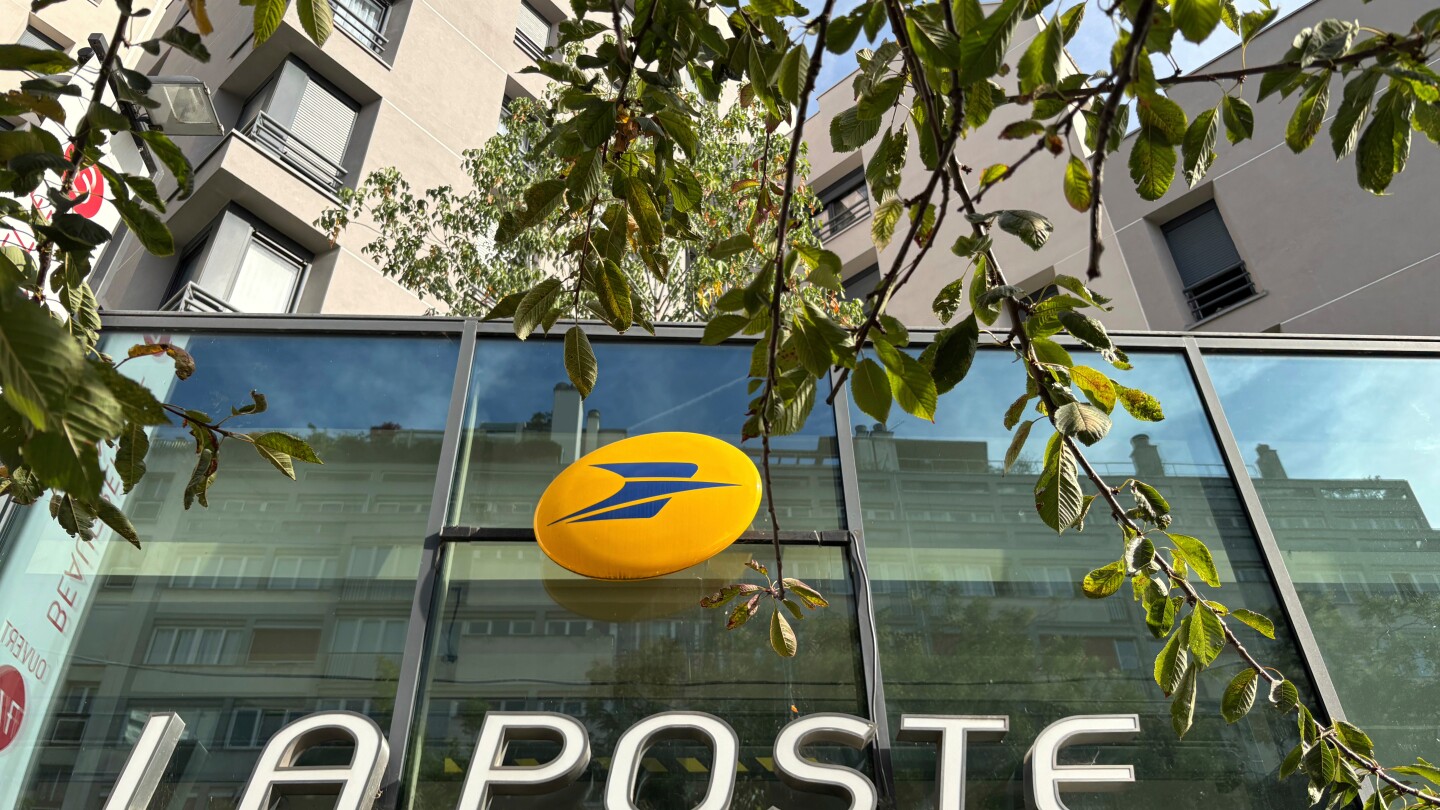
A severe cyberattack paralyzed France’s national postal service on Monday, creating holiday chaos just three days before Christmas. The disruption blocked package deliveries and online payments at the height of the festive season, leaving postal workers to face frustrated customers unable to complete their holiday shipping.
The attack, described by La Poste as a “major network incident,” remained unresolved into Monday evening, more than eight hours after it was first reported. Officials confirmed the incident was a distributed denial of service (DDoS) attack that rendered online services inaccessible, severely hampering operations for a company that delivered 2.6 billion packages last year and employs over 200,000 people.
While traditional mail services continued to function, allowing holiday greeting cards to be sent and delivered, any transactions requiring tracking or access to the postal service’s internal computer systems were impossible. This created significant delays during one of the busiest shipping periods of the year.
The disruption extended beyond package services. Customers of La Banque Postale, the company’s banking arm, found themselves unable to use the application to approve payments or conduct other banking services. The bank was forced to implement alternative verification methods, redirecting payment approvals to text messages while its teams worked to restore normal operations.
No one immediately claimed responsibility for the attack, leaving room for speculation. At a post office in southern Paris, workers openly questioned whether the incident could be linked to Russia, a disgruntled customer, or even a colleague. Paris prosecutors have launched an investigation, but officials have not commented on potential culprits.
The attack against La Poste comes amid a troubling series of cybersecurity incidents in France. Just a week earlier, the country’s government was targeted by a cyberattack focused on the Interior Ministry, which oversees national security. Interior Minister Laurent Nunez revealed that a suspected hacker had extracted sensitive files and gained access to data relating to police records and wanted persons. French media reported that a 22-year-old suspect was detained in connection with that breach.
In a separate incident last week, French prosecutors announced that the country’s counterespionage agency is investigating a suspected cyberattack plot involving software that would have allowed remote users to control computer systems of an international passenger ferry. A Latvian crew member is currently in custody, facing charges of having acted for an unidentified foreign power.
These incidents occur against the backdrop of increasing concerns about what European officials describe as “hybrid warfare.” France and other European allies of Ukraine allege that Russia is employing various tactics including sabotage, assassinations, cyberattacks, and disinformation campaigns—hostile acts that are often difficult to quickly trace back to Moscow.
The timing of the postal service attack is particularly damaging, disrupting critical infrastructure during a period when millions of French citizens rely heavily on delivery services for holiday gifts and communications. La Poste assured customers that the incident had no impact on customer data, though the service disruption itself represents a significant blow to both consumer confidence and holiday operations.
As the investigation continues, the incident highlights the vulnerability of essential services to cyber threats, especially during high-volume periods when disruptions can cause maximum inconvenience and economic impact.
Fact Checker
Verify the accuracy of this article using The Disinformation Commission analysis and real-time sources.

8 Comments
This is a reminder that even large, established institutions like national postal services can be vulnerable to sophisticated cyberattacks. I hope they’re able to quickly resolve the issues and get things back to normal for customers before the holidays. Cybersecurity needs to be a constant focus for organizations handling sensitive data and transactions.
This is a real wake-up call about the importance of cybersecurity, especially for essential services we all rely on like the postal system. A distributed denial-of-service attack at the height of the holiday rush must have been a nightmare to deal with. Hopefully they can learn from this experience to strengthen their defenses.
Absolutely. DDoS attacks can be so disruptive, and critical infrastructure is a prime target. Improving cybersecurity to prevent these kinds of incidents in the future should be a top priority.
A major DDoS attack on the postal service right before Christmas – that must have been a huge headache for both the company and its customers. Disrupting essential services like mail delivery and banking is a serious problem. Strengthening cybersecurity defenses should be a top priority to prevent these kinds of disruptions in the future.
Absolutely, this highlights the importance of robust cybersecurity measures, especially for critical infrastructure. Hopefully they can get the systems back up and running quickly to minimize the impact on customers during this busy time of year.
It’s concerning to see critical infrastructure like the postal service and banking being targeted by cyberattacks. This DDoS attack on France’s systems must have been a major headache for both businesses and individuals trying to make transactions and deliveries. Robust cybersecurity measures will be crucial going forward.
Wow, that’s really disruptive. A cyberattack hitting the postal service right before Christmas must have caused a lot of chaos and frustration for customers trying to ship their holiday packages. Hopefully they can get things back up and running quickly.
Agreed, that’s a terrible time for an attack like this. The postal service is so crucial, especially during the busy holiday season. Let’s hope they can identify the source and secure their systems to prevent further disruptions.