


Listen to the article
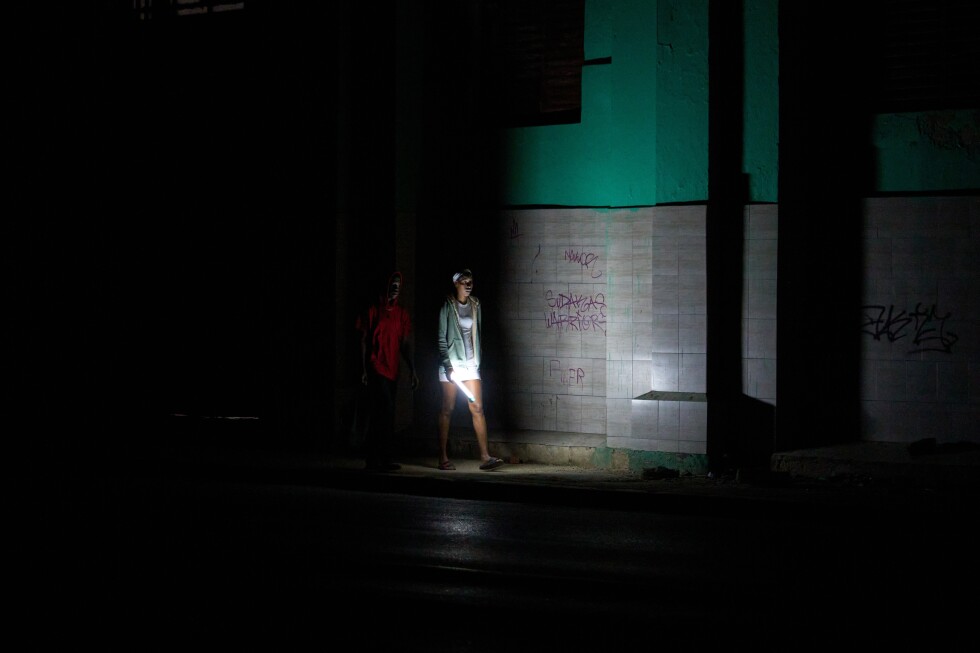
Cuba’s electrical system collapsed again on Saturday, plunging the entire island into darkness for the third time in March as the nation grapples with deteriorating infrastructure and severe fuel shortages.
The Cuban Electric Union, operating under the Ministry of Energy and Mines, confirmed the nationwide blackout but did not immediately provide a cause. Officials later attributed the failure to an unexpected breakdown at the Nuevitas thermoelectric plant in Camagüey province, which triggered a cascading effect on other operational generating units.
In response, authorities activated “micro-islands” of generating capacity to maintain power to essential facilities, including hospitals and water systems, while working to restore the broader grid.
The weekend outage marks the second nationwide blackout in just one week and the third such incident this month. Widespread power failures have become increasingly common across Cuba over the past two years, stemming from a combination of aging infrastructure and critical fuel shortages.
Even when the national grid is functioning, many Cubans endure scheduled regional blackouts lasting up to 12 hours daily due to insufficient fuel supplies. These planned outages further destabilize an already fragile electrical system.
For ordinary Cubans, the impact of these power failures extends far beyond inconvenience. Daily life has been severely disrupted, with reduced working hours in many sectors, inability to cook meals, and food spoilage from non-functioning refrigerators. In some cases, the lack of reliable electricity has forced hospitals to postpone surgical procedures, creating additional healthcare challenges.
President Miguel Díaz-Canel has stated that Cuba has not received oil shipments from foreign suppliers for three consecutive months. The island currently produces only about 40 percent of the fuel it needs to maintain basic economic functions.
While Cuba’s aging electrical infrastructure has deteriorated significantly in recent years, government officials have increasingly pointed to U.S. sanctions as a major factor in the energy crisis. The situation worsened in January when U.S. President Donald Trump warned of imposing tariffs on any country that sells or provides oil to Cuba, effectively tightening the economic pressure.
The Trump administration has made its conditions clear: Cuba must release political prisoners and implement political and economic liberalization before sanctions will be lifted. In increasingly pointed rhetoric, Trump has even suggested the possibility of a “friendly takeover of Cuba.”
Cuba’s energy problems have been further compounded by the recent political upheaval in Venezuela, which had been a reliable source of petroleum shipments under favorable terms for many years. The change in Venezuelan leadership halted this vital supply line, eliminating what had been a crucial economic lifeline for Havana.
Following previous nationwide blackouts, Trump has publicly suggested that Cuba’s government is on the verge of collapse, telling reporters after an earlier grid failure that he believed he would soon “have the honor of taking Cuba.”
As authorities work to restore power across the island, Cubans continue to navigate daily life amid the uncertainty of when the next blackout might occur, highlighting the increasing vulnerability of the country’s essential infrastructure amid economic and political pressures.
Fact Checker
Verify the accuracy of this article using The Disinformation Commission analysis and real-time sources.

13 Comments
Challenging times for Cuba’s power grid. Frequent blackouts must disrupt daily life and the economy. I hope the government can find solutions to upgrade the aging infrastructure and secure reliable fuel supplies.
Absolutely, the power outages seem to be a chronic issue for Cuba. Fixing the grid will require significant investment, which may be difficult given the country’s economic challenges.
The collapsing power grid in Cuba is a serious problem that needs to be addressed. Widespread blackouts impact hospitals, businesses, and people’s daily lives. Upgrading infrastructure and ensuring fuel supplies should be top priorities.
Cuba’s power woes highlight the importance of energy security and resilient infrastructure. Upgrading the grid and securing fuel supplies will be critical to preventing future blackouts and supporting the country’s development.
The frequent blackouts in Cuba underscore the fragility of the country’s electrical infrastructure. Restoring and strengthening the grid should be a top priority to support the economy and citizens’ quality of life.
Agreed. Without a functioning power grid, Cuba will struggle to attract investment and provide basic services. This is a complex challenge that will require significant resources to address.
Repeated grid failures in Cuba are deeply concerning. Reliable electricity is essential for a modern economy and society. The government must find ways to invest in grid modernization and secure fuel supplies.
Absolutely. These power outages are severely disrupting daily life and economic activity in Cuba. Addressing the root causes should be an urgent priority for the government.
It’s troubling to see Cuba’s power grid collapsing repeatedly. Reliable electricity is essential for hospitals, businesses, and everyday life. The government will need to prioritize grid upgrades and fuel security.
Cuba’s repeated power grid failures are very concerning. Reliable electricity is crucial for a functioning society and economy. The government must find ways to invest in grid modernization and secure stable fuel supplies to prevent these chronic blackouts.
Well said. Upgrading Cuba’s electrical infrastructure should be a national priority to support the country’s development and improve the quality of life for its citizens.
This is the third major grid failure in Cuba this month. Clearly the country’s electrical system is under severe strain. Upgrading the infrastructure and ensuring fuel supplies will be critical to improving reliability.
You’re right, the recurring blackouts are a major concern. Cuba needs to find a way to modernize its power grid and secure more stable energy sources to avoid these widespread outages.