


Listen to the article
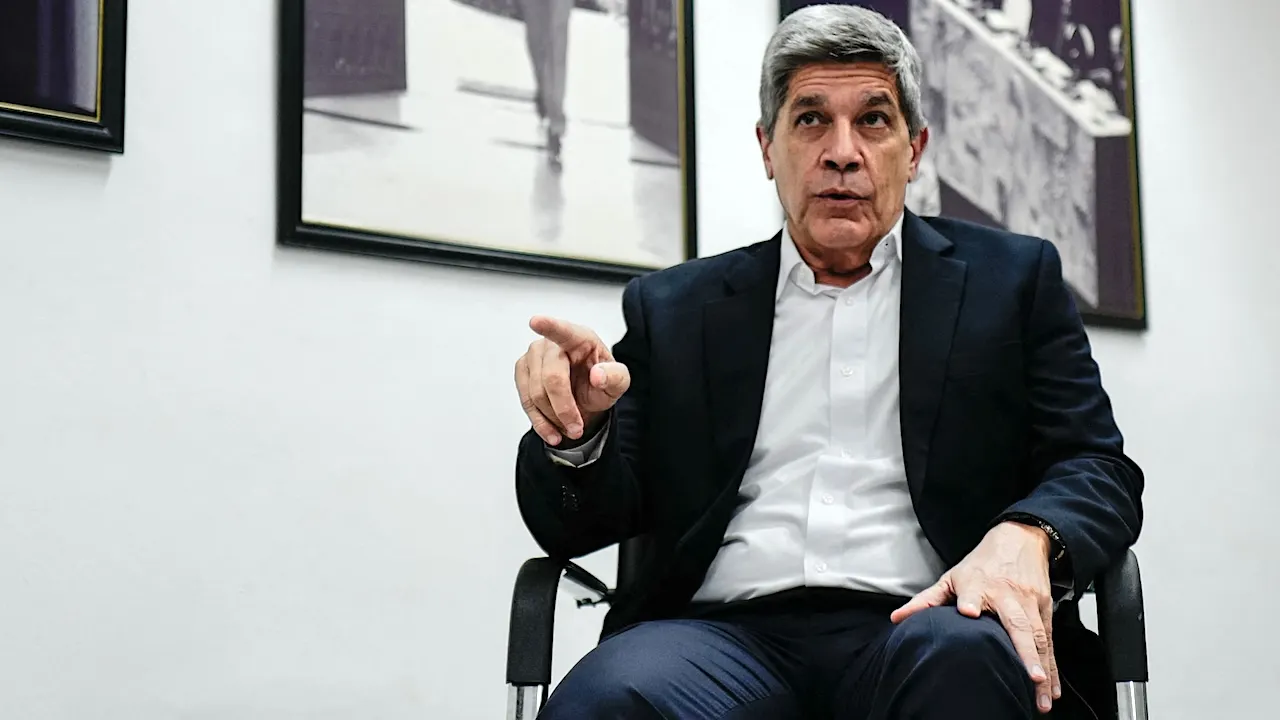
Cuba is preparing its military for potential U.S. aggression despite recent diplomatic signals from the Trump administration, according to Cuban Deputy Foreign Minister Carlos Fernández de Cossío in an interview with NBC News’ “Meet the Press” that aired Sunday.
“Our military is always prepared, and in fact it is preparing these days for the possibility of military aggression,” Fernández de Cossío stated, while emphasizing that Cuba hopes such conflict can be avoided. “We would be naive if, looking at what’s happening around the world, we would not do that.”
The diplomat’s comments come in direct response to President Donald Trump’s recent statement that it would be “a big honor” to be the president who has the “honor of taking Cuba.” Trump’s provocative remarks suggested he could “free it” or “take it,” adding, “I think I can do anything I want with it.”
These statements represent a significant escalation in rhetoric toward the Caribbean island nation, which has had a tense relationship with the United States since the Cuban Revolution established Communist rule in 1959. The current tensions exist against a backdrop of Cuba’s worsening energy crisis, with widespread blackouts affecting the population and increasing economic hardship.
Secretary of State Marco Rubio, however, has stressed diplomacy over any suggestion of military intervention, stating that Cuba needs “new people in charge” who can address the country’s mounting problems. “They’re in a lot of trouble, and the people in charge, they don’t know how to fix it,” Rubio said this week.
The contrast between Trump’s aggressive rhetoric and Rubio’s diplomatic stance highlights potential policy divisions within the administration regarding the approach to Cuba. Rubio, a Cuban-American who has long been critical of the Cuban government, has reportedly been involved in diplomatic discussions about the island’s future.
When asked directly about Trump’s statement regarding “taking Cuba in some form,” Fernández de Cossío responded: “Truly, we don’t know what they’re talking about.” He firmly asserted Cuba’s sovereignty, adding, “Cuba is a sovereign country and has the right to be a sovereign country and has the right to self-determination. Cuba would not accept to become a vassal state or a dependent state from any other country or any other superpower.”
Despite the tensions, the Cuban diplomat expressed willingness to negotiate with the U.S. government, including with Rubio as the lead negotiator, signaling an openness to diplomatic solutions even as the military prepares for potential conflict.
Throughout the interview, Fernández de Cossío portrayed Cuba’s position as defensive rather than confrontational. He attributed Cuba’s deepening economic and energy crisis to U.S. pressure, including efforts to restrict fuel supplies to the island. Recent reporting has documented Cuba’s worsening blackout crisis, which has exacerbated economic hardships and sparked civilian unrest, including protests against the Communist Party headquarters.
“What does ‘on its own’ mean when it’s being forced by the United States?” Fernández de Cossío questioned when addressing Trump’s claim that Cuba could collapse without intervention. “It’s a very bizarre statement.”
Despite the preparations for potential conflict, the Cuban official concluded with a conciliatory message: “Cuba has no quarrel with the United States. We do have the need and the right to protect ourselves. But we are willing to sit down, we’re open for business, and we’re open to having a respectful relationship that I’m sure the majority of Americans would support.”
The situation highlights the complex and evolving U.S.-Cuba relationship under the Trump administration, with military preparations occurring alongside tentative diplomatic overtures, creating uncertainty about the future direction of relations between the neighboring countries.
Fact Checker
Verify the accuracy of this article using The Disinformation Commission analysis and real-time sources.

6 Comments
Interesting to see Cuba preparing for potential military aggression, especially with the recent escalating rhetoric from the Trump administration. It’s a delicate geopolitical situation that bears close watching.
Cuba’s energy crisis adds an extra layer of complexity to this situation. Addressing the island’s infrastructure challenges could help ease tensions and create more stability.
Preparing the military is a prudent move by Cuba, but I hope it doesn’t lead to further provocation or conflict. Deescalating the rhetoric should be the priority for all parties involved.
The prospect of U.S. military action against Cuba is concerning. Both sides should exercise restraint and focus on finding peaceful resolutions to their differences.
Given Cuba’s long-standing tensions with the U.S., it’s understandable they would take precautions and shore up their military readiness. Hopefully diplomacy can prevail over conflict.
Agreed. Diplomatic solutions should be the priority to avoid further escalation and instability in the region.