


Listen to the article
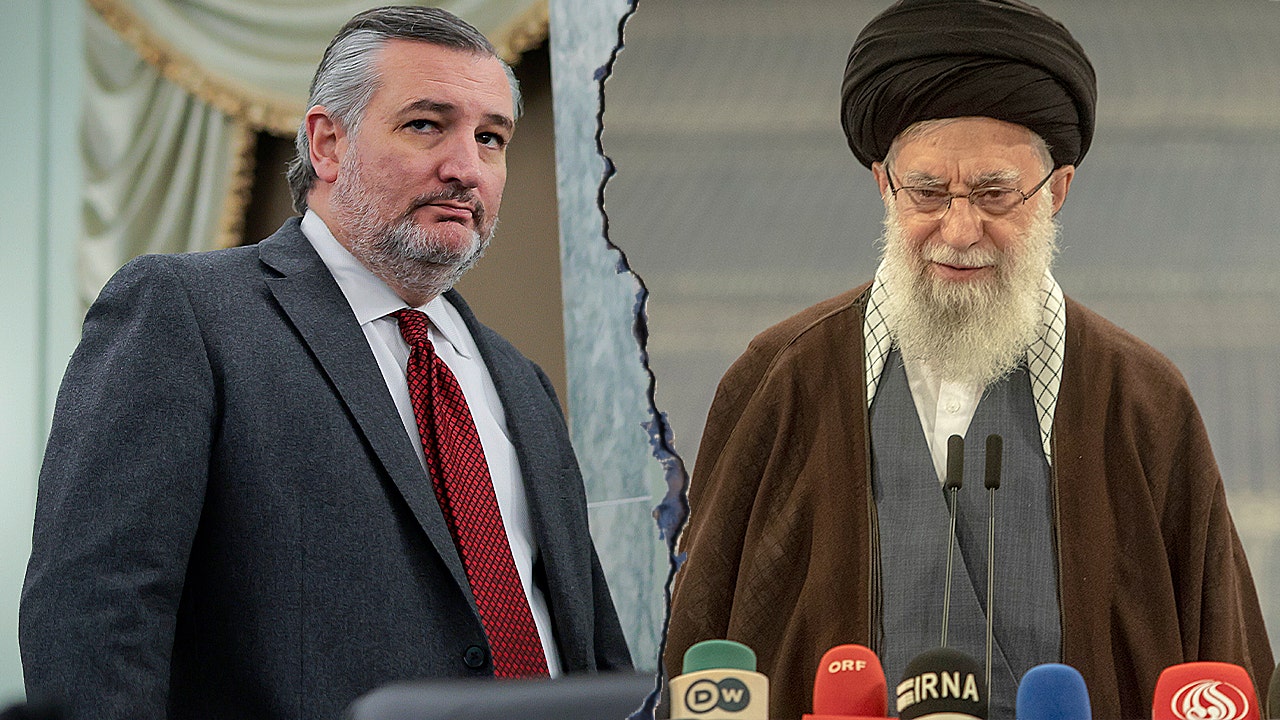
Senator Ted Cruz is calling for the United States to arm Iranian protesters as violence escalates in the Middle Eastern nation amid growing regional tensions. The Texas Republican made his position clear in a social media post on Tuesday, urging immediate action to support anti-government demonstrators.
“We should be arming the protesters in Iran. NOW,” Cruz wrote on X. “For the Iranian people to overthrow the Ayatollah — a tyrant who routinely chants ‘death to America’ — would make America much, much safer.”
Cruz’s comments came in response to alarming reports from sources inside Iran describing brutal crackdowns on demonstrators. According to Tehran Bureau, a trusted source in the Iranian capital painted a dire picture of the situation on the ground.
“They are killing people in such ways, they’ve descended upon people so brutally, they’re attacking us in such ways… We’ve lost so many lives that no one dares go out anymore,” the source reported. “They shoot directly with bullets. They kill outright. And even after killing, they come and behead you, and do countless other violent things to you.”
The source emphasized that protesters are essentially defenseless against heavily armed security forces. “Going out into the streets is literally suicide. It’s not about bravery anymore. It’s madness. You go out and they shoot you point-blank. They don’t even ask why you came. They just kill you.”
Human rights organizations paint an equally grim picture. The Human Rights Activists News Agency estimates that more than 6,000 people have been killed in Iran since protests began in late December, with additional cases still being reviewed. The demonstrations erupted amid widespread anger over economic hardship, political repression, and corruption.
The call to arm protesters comes at a particularly volatile time in U.S.-Iran relations. Iran-aligned militias have recently issued threats against the United States as the Trump administration has moved military forces into the region. Kataib Hezbollah in Iraq warned it was prepared for “total war” if the U.S. attacked Iran.
“You will taste every form of deadly suffering, nothing of you will remain in our region, and we will strike terror in your hearts,” the group’s leader, Abu Hussein al-Hamidawi, stated, promising “the bitterest forms of death” for enemies of the Islamic Republic.
Yemen’s Houthi rebels have also threatened to restart attacks on vessels in the Red Sea, recently releasing a video showing a ship engulfed in flames with the ominous caption “Soon.”
In response to these mounting tensions, the U.S. has strengthened its military presence in the region. The USS Abraham Lincoln aircraft carrier strike group arrived in the Middle East on Monday as unrest inside Iran continued to escalate.
Despite the inflammatory rhetoric from Iranian proxies, President Donald Trump has suggested that Iranian officials may be seeking a diplomatic solution. “They want to make a deal. I know so. They called on numerous occasions. They want to talk,” Trump told Axios.
The question of whether to arm protesters in Iran raises significant policy and ethical questions for the United States. While supporting pro-democracy movements aligns with longstanding American values, direct military aid to opposition groups would mark a major escalation in U.S. involvement and could potentially trigger wider regional conflict.
The situation in Iran continues to develop as international observers monitor both the internal crackdown on protesters and the increasingly tense standoff between Iran and the United States.
Fact Checker
Verify the accuracy of this article using The Disinformation Commission analysis and real-time sources.

11 Comments
Defending human rights is important, but directly arming Iranian protesters could backfire. The US should work with allies to apply diplomatic pressure, provide humanitarian aid, and find ways to safely support the Iranian people’s right to peacefully assemble.
Arming protesters is a risky and complex issue. While the situation in Iran is dire, we must consider the potential for unintended consequences and ensure any US involvement aligns with international law and human rights.
While the situation in Iran is tragic, arming protesters is a high-stakes gamble. The US should work with allies to apply diplomatic pressure, provide humanitarian aid, and find ways to safely support the Iranian people’s right to protest.
While the violence against protesters in Iran is deeply troubling, arming them is a high-stakes gamble. The US should carefully consider the potential for unintended consequences and prioritize diplomatic solutions that protect the Iranian people.
The reports of violence against protesters in Iran are deeply concerning. However, the US should carefully weigh the potential impacts and work through diplomatic channels to support the Iranian people’s right to peacefully assemble.
Agreed. Any US action should prioritize the safety and self-determination of the Iranian people, not geopolitical interests. De-escalation and diplomacy seem the wisest path forward.
Defending human rights in Iran is important, but directly arming protesters could backfire. The US should exhaust diplomatic options, work with allies, and find ways to safely support the Iranian people’s right to peacefully assemble.
Agreed. A multilateral, nuanced approach focused on nonviolent support and de-escalation seems the wisest path forward to address the crisis in Iran.
Senator Cruz’s proposal to arm Iranian protesters raises valid concerns about defending human rights, but also significant risks. The US should work with the international community to apply diplomatic pressure and find ways to safely support the Iranian people.
Arming Iranian protesters is a complex geopolitical decision with significant risks. The US must carefully weigh the potential for unintended consequences and prioritize the safety and self-determination of the Iranian people.
Senator Cruz’s call to arm Iranian protesters raises valid concerns about defending human rights, but also significant risks of fueling more violence. A nuanced, multilateral approach focused on nonviolent support may be prudent.