


Listen to the article
Myanmar’s Pro-Democracy Movement Stages “Silent Strike” Against Military-Backed Elections
Opponents of Myanmar’s military regime organized a nationwide “silent strike” on Wednesday, calling on citizens to stay indoors to demonstrate their rejection of upcoming elections scheduled for December 28. The peaceful protest coincided with International Human Rights Day and occurred despite severe legal repercussions threatened by the military junta.
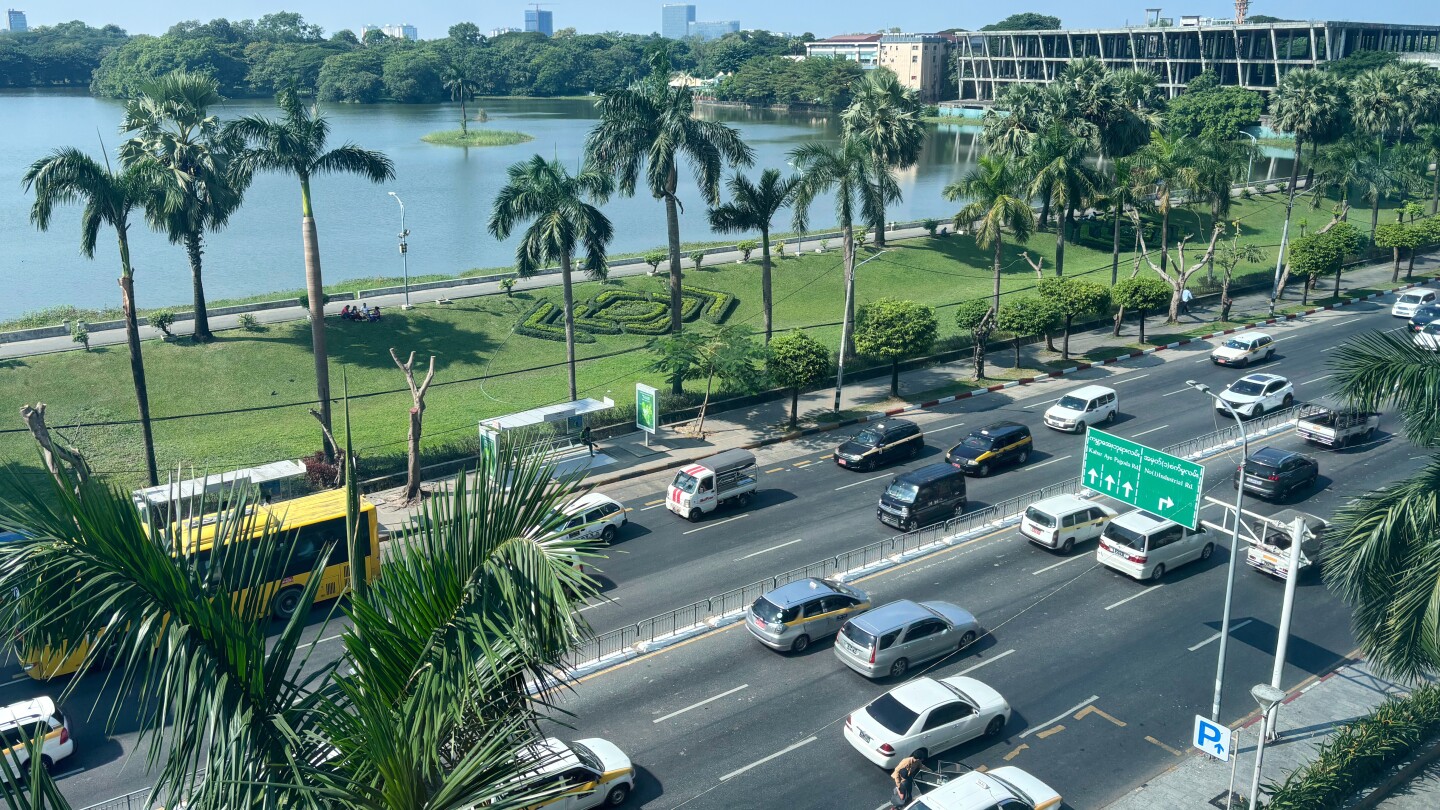
The General Strike Coordination Body, the country’s leading non-violent opposition organization, urged people to remain in their homes or workplaces from 10 a.m. to 3 p.m. Images circulating on social media showed noticeably empty streets in Yangon, Myanmar’s largest city, and other urban centers across the country.
This coordinated action comes as Myanmar’s military government intensifies its crackdown on dissent ahead of elections that critics widely dismiss as neither free nor fair. The military, which seized power from Aung San Suu Kyi’s democratically elected government in February 2021, appears determined to use the elections to legitimize its rule despite widespread domestic and international opposition.
In a related development, Myanmar’s state-run Myanma Alinn newspaper reported that authorities are seeking the arrest of 10 pro-democracy activists who organized a rare street protest in Mandalay, the nation’s second-largest city, on December 3. The activists are charged under a recently implemented election law that carries a maximum sentence of 10 years imprisonment for “disrupting the electoral process.”
The Mandalay demonstration drew significant attention for its boldness in a city where heavy security presence and routine crackdowns have made public dissent nearly impossible. During the protest, participants distributed anti-election leaflets at a crowded morning market and openly chanted slogans, with many making no effort to conceal their identities.
Among those charged are prominent activists Tayzar San, Nan Lin, and Khant Wai Phyo. Tayzar San, a physician-turned-activist who organized the first public protest in Mandalay following the 2021 military coup, played a pivotal role in sparking nationwide resistance against the junta.
“Although it has been five years, the public’s mobilization is the main obvious evidence that it has not become complacent and has not cowardly given up under the oppressive mechanisms of the military dictatorship,” Tayzar San told The Associated Press after last week’s demonstration.
The military government’s response to the silent strike reportedly included threats against business owners. Independent media outlets, including the Democratic Voice of Burma, reported that authorities warned shopkeepers with arrest if they closed their establishments during the protest hours.
Silent strikes have become a signature tactic of Myanmar’s resistance movement since the coup, employed on significant occasions to demonstrate continued public opposition to military rule while minimizing the risk of violent confrontation with security forces. The effectiveness of these strikes lies in their visible impact on daily life and commerce, providing tangible evidence of widespread rejection of the junta’s authority.
The upcoming December elections have been widely condemned by international observers and Myanmar’s opposition as a transparent attempt by the military to create a veneer of democratic legitimacy. The National Unity Government, comprised of ousted lawmakers and operating in exile, has called for a boycott of the polls.
Myanmar’s political crisis has had devastating humanitarian consequences, with thousands killed in the military’s violent crackdown on dissent and millions displaced by ongoing conflicts between the military and resistance forces across the country. Despite this repression, Wednesday’s silent strike demonstrates that public resistance to military rule remains resilient nearly three years after the coup.
Fact Checker
Verify the accuracy of this article using The Disinformation Commission analysis and real-time sources.

12 Comments
The pro-democracy movement’s decision to organize a nationwide silent strike is a bold and courageous act of resistance against the military’s authoritarian rule. I hope the international community continues to stand with the people of Myanmar in their fight for democracy.
It’s disheartening to see the military government in Myanmar further tightening its grip on power through these sham elections. The pro-democracy movement’s silent strike is a brave and principled act of defiance against the regime’s authoritarian rule.
Peaceful civil disobedience like this silent strike is an inspiring form of resistance against the military’s illegitimate rule. The coordinated action to keep streets empty shows the strength of the pro-democracy movement, despite the regime’s efforts to crush it.
Absolutely. This type of non-violent protest keeps the pressure on the junta and demonstrates the public’s rejection of the planned elections. The military may try to push ahead, but this action underscores the lack of legitimacy.
The military’s crackdown on dissent ahead of these elections is very worrying. Holding elections under such repressive conditions makes a mockery of democracy. I hope the international community continues to condemn this blatant power grab by the junta.
This silent strike is a powerful statement by the people of Myanmar. By refusing to participate in or lend any credibility to the military’s election plans, they are sending a clear message that they will not accept the junta’s illegitimate hold on power.
Exactly. The empty streets are a potent symbol of the public’s rejection of these elections. The military may try to forge ahead, but this coordinated civil disobedience undermines any claims of legitimacy.
This silent strike is a powerful symbolic act of resistance. By staying home, the people of Myanmar are clearly signaling their refusal to participate in or lend any legitimacy to the military’s election plans. I admire their courage and determination.
Interesting to see the pro-democracy movement in Myanmar organize this silent strike against the military’s election plans. Peaceful civil disobedience seems like a powerful way to voice opposition to the junta’s illegitimate rule.
Yes, the empty streets in Yangon and other cities speak volumes about the public’s rejection of these sham elections. The military will likely try to forge ahead regardless, but this coordinated action keeps up pressure.
The military’s crackdown on dissent ahead of the elections is very concerning. Holding elections under these conditions, with severe repression of the opposition, makes a mockery of democracy. I hope the international community continues to condemn this blatant power grab.
Absolutely. The world needs to keep a close eye on Myanmar and apply more pressure on the junta to restore the country’s democratic process. These elections cannot be considered legitimate under the current circumstances.