


Listen to the article
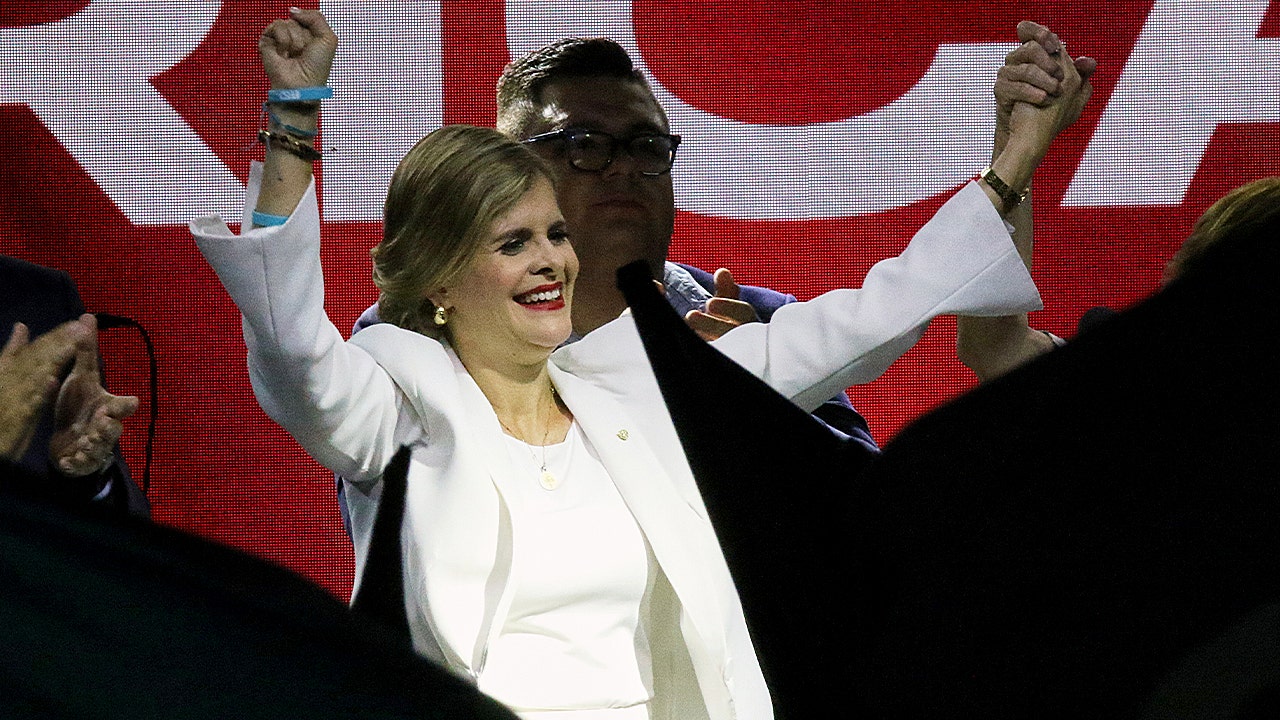
Costa Ricans have elected conservative populist Laura Fernández as their next president, marking a significant political shift in the Central American nation. According to preliminary results from the Supreme Electoral Tribunal, with 96.8% of polling places counted, Fernández of the Sovereign People’s Party secured 48.3% of the vote, handily defeating economist Álvaro Ramos of the National Liberation Party, who received 33.4%.
Ramos conceded defeat on election night, clearing the way for 39-year-old Fernández to begin her four-year presidential term in May. Her victory adds Costa Rica to a growing list of Latin American nations that have elected right-leaning leaders in recent years.
Fernández, a former government minister, campaigned as the chosen successor of outgoing President Rodrigo Chaves, who is constitutionally barred from seeking re-election. Having served as minister of national planning and later as minister of the presidency in Chaves’ administration, she was a central figure in his government and pledged to continue his populist agenda that has reshaped Costa Rican politics by challenging traditional parties.
The election took place against a backdrop of rising security concerns that dominated the campaign. Costa Rica has experienced an alarming 50% increase in its murder rate over the past six years, accompanied by troubling rises in gang activity and drug trafficking operations by cartels. This security crisis has disrupted the country’s long-standing reputation as one of Central America’s most stable and peaceful nations.
“My hand won’t shake when it comes to making the decisions we need to restore peace in Costa Rican homes,” Fernández declared during her campaign, signaling a tough stance on crime and security issues.
Fernández has outlined a hard-line security strategy that includes increased cooperation with the U.S. Drug Enforcement Administration and stronger measures against organized crime. Among her more controversial proposals are plans inspired by El Salvador’s President Nayib Bukele, including the construction of a special prison facility for gang leaders.
Bukele’s approach in El Salvador has drawn both praise for dramatically reducing crime rates and criticism for alleged human rights violations. Fernández’s embrace of similar tactics signals a potential shift in Costa Rica’s traditionally more moderate approach to criminal justice.
U.S. Secretary of State Marco Rubio quickly congratulated Fernández in a statement released Monday. “Under her leadership, we are confident Costa Rica will continue to advance shared priorities to include combating narco-trafficking, ending illegal immigration to the United States, promoting cybersecurity and secure telecommunications, and strengthening economic ties,” Rubio said.
The election result reflects growing concern among Costa Rican voters about security issues in a country that abolished its standing army in 1949 and has historically prided itself on its democratic institutions and peaceful society. As drug trafficking routes have increasingly moved through Central America, Costa Rica has found itself facing new challenges to public safety.
Following her victory, Fernández called for national unity. “I hope that we can immediately lower the flags of whichever political party and start working only in favor of the Costa Rican flag,” she said. “I believe the Costa Rican people expect nothing less of us.”
Fernández will take office facing multiple challenges beyond security, including economic pressures, environmental concerns in a country known for its ecological focus, and maintaining Costa Rica’s traditional diplomatic balances in a politically divided region.
Her election continues a political trend in Latin America that has seen several countries elect conservative leaders in recent years, potentially reshaping regional alliances and policies. Analysts note that this shift comes as the region grapples with post-pandemic economic recovery, migration challenges, and evolving relationships with the United States, China, and other global powers.
Fact Checker
Verify the accuracy of this article using The Disinformation Commission analysis and real-time sources.

31 Comments
The cost guidance is better than expected. If they deliver, the stock could rerate.
Good point. Watching costs and grades closely.
Good point. Watching costs and grades closely.
Interesting update on Costa Rica Elects Conservative Leader Promising Crime Crackdown Amid Rising Violence. Curious how the grades will trend next quarter.
Good point. Watching costs and grades closely.
Good point. Watching costs and grades closely.
If AISC keeps dropping, this becomes investable for me.
Good point. Watching costs and grades closely.
Good point. Watching costs and grades closely.
Silver leverage is strong here; beta cuts both ways though.
Good point. Watching costs and grades closely.
Silver leverage is strong here; beta cuts both ways though.
Good point. Watching costs and grades closely.
Production mix shifting toward World might help margins if metals stay firm.
Good point. Watching costs and grades closely.
Interesting update on Costa Rica Elects Conservative Leader Promising Crime Crackdown Amid Rising Violence. Curious how the grades will trend next quarter.
Interesting update on Costa Rica Elects Conservative Leader Promising Crime Crackdown Amid Rising Violence. Curious how the grades will trend next quarter.
Good point. Watching costs and grades closely.
Good point. Watching costs and grades closely.
Uranium names keep pushing higher—supply still tight into 2026.
Good point. Watching costs and grades closely.
Good point. Watching costs and grades closely.
Nice to see insider buying—usually a good signal in this space.
Good point. Watching costs and grades closely.
Good point. Watching costs and grades closely.
Nice to see insider buying—usually a good signal in this space.
Good point. Watching costs and grades closely.
Good point. Watching costs and grades closely.
I like the balance sheet here—less leverage than peers.
Exploration results look promising, but permitting will be the key risk.
Good point. Watching costs and grades closely.