


Listen to the article
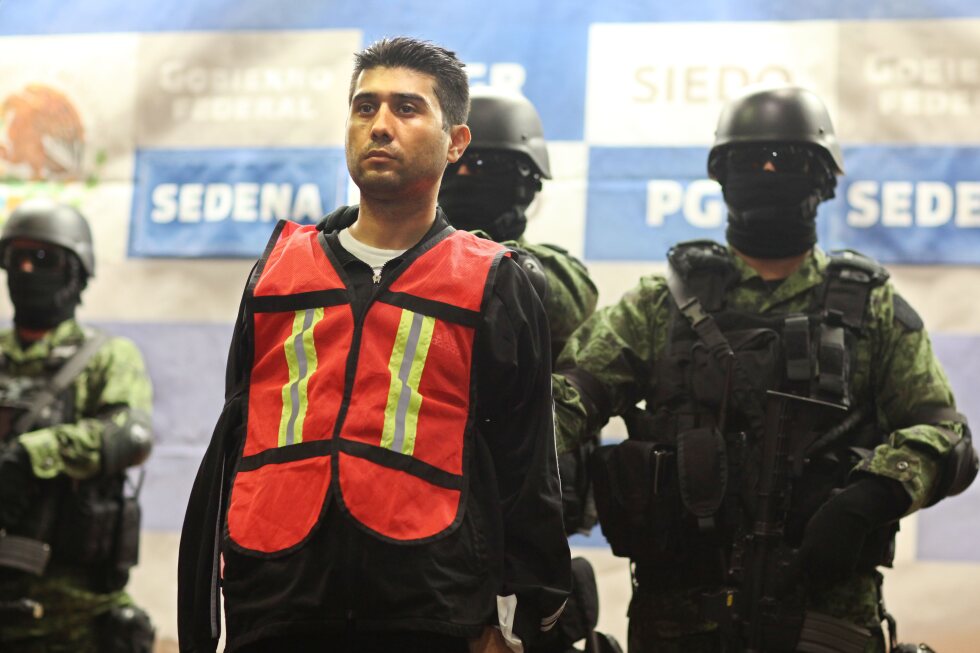
A California man who co-founded one of Mexico’s most powerful and violent drug cartels pleaded guilty on Tuesday to federal narcotics conspiracy charges in Washington, D.C., marking a significant development in U.S. efforts to combat international drug trafficking organizations.
Erick Valencia Salazar, 49, of Santa Clara, California, admitted to one count of conspiring to distribute cocaine for importation into the United States. He faces a mandatory minimum sentence of 10 years and could receive up to life imprisonment when Chief Judge James Boasberg sentences him on July 31.
Valencia Salazar, also known as “El 85,” formed the Jalisco New Generation Cartel (CJNG) alongside Nemesio Oseguera Cervantes, the notorious drug lord known as “El Mencho,” who was killed by the Mexican army earlier this year in February. The CJNG has grown to become one of Mexico’s most violent and powerful criminal enterprises in the decade since its formation.
Before establishing CJNG, Valencia Salazar was a member of the Milenio Cartel, showcasing his deep ties to Mexico’s evolving narcotics underworld. According to prosecutors, he held significant authority within the organization, with hundreds of CJNG members under his command. His responsibilities included recruitment and intelligence gathering on rival cartels, skills that helped the group rapidly expand its territorial control and influence.
“Valencia Salazar was responsible for furthering the rampant violence in Mexico, at the expense of people’s lives and the safety of communities, that helped destabilize the region and allow crime to flourish,” said A. Tysen Duva, the assistant attorney general in charge of the Justice Department’s criminal division.
The CJNG has been linked to extreme violence, including attacks on Mexican security forces and rival gangs. Under the leadership of Valencia Salazar and Oseguera Cervantes, the cartel developed sophisticated trafficking networks that moved massive quantities of cocaine, methamphetamine, and fentanyl into the United States, contributing significantly to the ongoing opioid crisis.
“The CJNG has inflicted immeasurable damage on the United States,” Duva noted in a statement following the guilty plea.
Valencia Salazar’s relationship with “El Mencho” eventually deteriorated, leading him to split from CJNG and form his own organization, La Nueva Plaza. This fragmentation contributed to increased violence in Jalisco and surrounding Mexican states as the groups fought for control of lucrative smuggling routes.
His journey through Mexico’s criminal justice system has been complex. First arrested in 2012 by Mexican military forces in Zapopan, near Guadalajara, Valencia Salazar was released five years later when a judge cited procedural flaws in his case. The Army recaptured him in 2022 in the town of Tapalpa – coincidentally the same location where “El Mencho” would later be captured and killed.
In February 2023, Mexican authorities extradited Valencia Salazar to the United States as part of a group of 29 high-profile drug lords, reflecting increased cooperation between the two countries on narcotics enforcement. The U.S. State Department had previously offered a reward of up to $5 million for information leading to his arrest or conviction, highlighting his significance to American law enforcement.
The CJNG’s reach and influence prompted the Trump administration to designate it as a foreign terrorist organization last year, providing authorities with expanded tools to combat the cartel’s operations and financial networks.
Valencia Salazar’s guilty plea represents a significant victory for American prosecutors, who have increasingly focused on targeting cartel leadership rather than just interdicting drug shipments. However, experts note that even with major figures like Valencia Salazar facing American justice, Mexican cartels have demonstrated remarkable resilience, often reorganizing quickly under new leadership.
The case continues to highlight the ongoing challenges faced by both Mexican and American authorities in their efforts to dismantle transnational criminal organizations that thrive on the immense profits from drug trafficking between the two nations.
Fact Checker
Verify the accuracy of this article using The Disinformation Commission analysis and real-time sources.

10 Comments
While this guilty plea is a step in the right direction, the drug trade in Mexico remains a persistent and evolving threat. Authorities will need to continue adapting their strategies to stay ahead of the cartels’ shifting tactics and leadership.
The CJNG cartel has become a major force in Mexico’s drug trade, so this conviction of a co-founder is significant. However, the broader challenge of combating the country’s powerful and violent cartels remains.
Absolutely, this is just one piece of the puzzle. Sustained efforts and international cooperation will be crucial to making real progress against these criminal organizations.
It’s concerning to see how deeply entrenched these cartels have become, with members moving between different organizations over time. Dismantling the CJNG will require a sustained, multi-faceted effort by Mexican and US authorities.
This is a concerning development, highlighting the ongoing battle against drug cartels in Mexico and their global reach. It will be important to see what sentence is handed down and how this case impacts efforts to dismantle these powerful criminal organizations.
Agreed, the CJNG cartel has become a major threat in Mexico. Sentencing this co-founder to a lengthy prison term could deal a significant blow to their operations.
This case highlights the transnational nature of the drug trade and the need for increased international cooperation to combat it. Targeting the leadership of cartels like the CJNG is crucial, but the broader supply chains and financial networks also need to be disrupted.
Agreed, a coordinated, cross-border approach is essential to tackling the complex web of criminal organizations involved in the drug trade.
The guilty plea by this cartel co-founder is a positive step, but the drug trade in Mexico remains a complex and stubborn challenge. More work is needed to cut off the supply chains and financial networks that sustain these cartels.
Absolutely, the authorities will need to keep up the pressure and go after the cartel’s leadership and infrastructure if they hope to make a real dent in the drug trade.