


Listen to the article
Britain’s Cultural Identity Crisis: Historic Figures Face Erasure as National Symbols Come Under Fire
Over a century ago, Britain stood at the forefront of global progress. The nation pioneered scientific and medical advancements, built robust industries including railroads and impressive bridges, and created a thriving middle class. Despite criticisms, it established the world’s largest navy and became the only major empire to abolish slavery, policing oceans at considerable expense to prevent human trafficking worldwide. Today, however, many argue this proud legacy appears increasingly distant.
The latest controversy surrounds the planned removal of Winston Churchill’s face from the five-pound note by the Bank of England. Reform UK leader Nigel Farage called the decision “absolutely crackers,” noting the proposal would replace Churchill with an image of a beaver. This comes after Churchill’s statue in Westminster was vandalized in 2020 and again just last month—a troubling development considering Churchill’s pivotal role in leading Britain as the only European nation that didn’t fall during World War II.
“Decades of woke education policy have taught people to deny and decry the history of this country as it is deemed to be oppressive, racist and unfair,” explained Alan Mendoza, founder and executive director of the Henry Jackson Society. According to Mendoza, teaching unions controlled by the hard left have systematically imposed their ideological agenda on successive generations of British students.
The movement to recontextualize British history has expanded beyond Churchill. Activists have targeted statues of historical figures including William Gladstone, Robert Peel, James Cook, and Francis Drake for removal—a reformist prime minister, founder of the police force, naval explorer, and privateer, respectively. Most of these statues remain intact despite concerted efforts.
Even William Shakespeare now faces scrutiny. Some activists question his identity, suggesting the Bard may have been a Black woman, while others warn his works might be appropriated to promote white nationalism—assertions that have sparked heated debate in academic and cultural circles.
Matt Goodwin, a GB News presenter, argues these attempts to diminish prominent British historical figures may seem trivial but carry profound implications. “Across the Western World, an assortment of Diversity, Equity and Inclusion bureaucrats, radical activists, and increasingly compliant public institutions are engaged in a cultural project that seeks to delegitimize our national [identity],” he wrote on social media platform X.
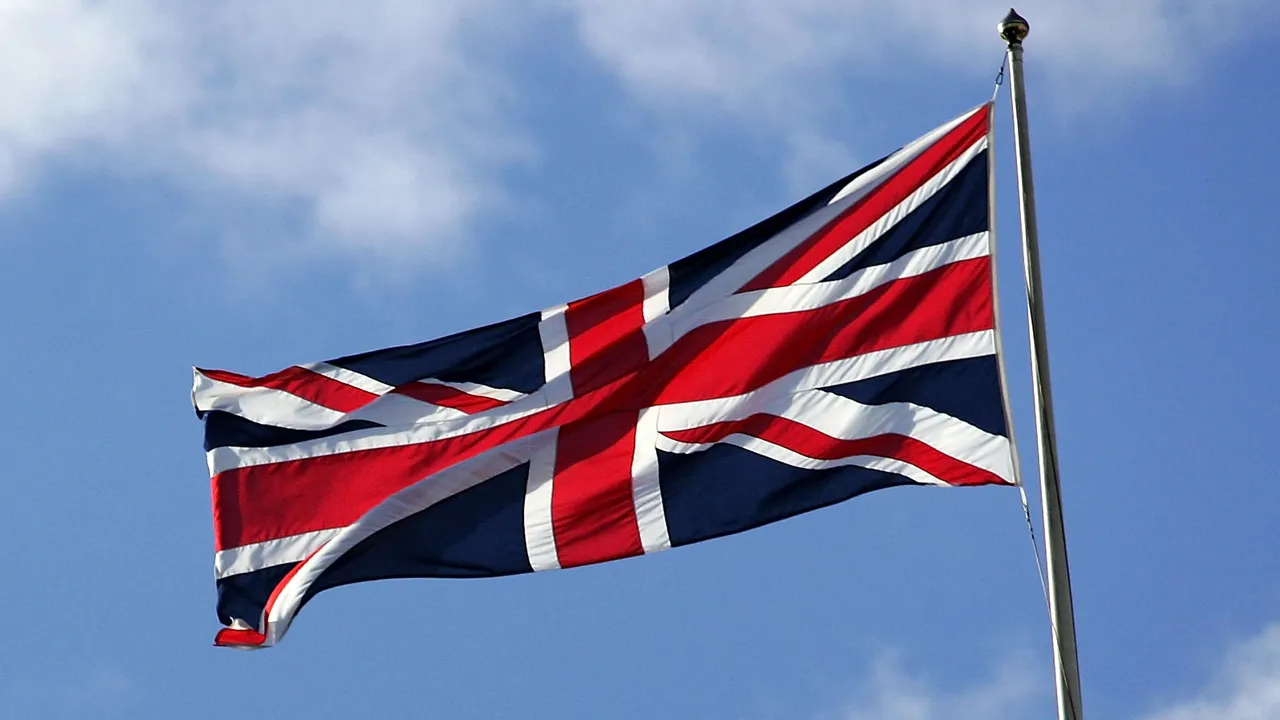
The controversy extends to national symbols. Flying the Union Flag or England’s George Cross—once sources of patriotic pride—has become politically charged. Left-leaning Britons, particularly Labour Party supporters, often view displaying these flags as expressions of racism or anti-immigration sentiment.
“So strong has become the voice of DEI and immigrants that any sign of a proud U.K. gets denounced,” said Ben Habib, founder of the Advance UK political party. “DEI cannot bear strong nations – it wants them set aside so minorities feel at ‘home’.” Habib noted an additional complication: both flags represent Christian saints, which some view as potentially offensive in Britain’s increasingly diverse religious landscape.
These cultural tensions escalated following Hamas’s invasion of Israel, when the UK witnessed a surge in Palestinian flags flying on public buildings. This prompted many British patriots to respond by displaying the Union Flag. “We need to start cohering around national stories and symbols, and the flag is the most visual way of doing that,” British cultural commentator Colin Brazier told Fox News Digital.
While planning authorities do not require permission to fly the Union Flag or George Cross, unlike other flags which are classified as advertisements, the growing resistance to these national symbols reflects deeper divisions in British society.
Meanwhile, Britain’s economy has stagnated under the center-left Starmer government. Unemployment increased to 5.4% in December, up significantly from 3.6% in August 2022, according to Trading Economics data. The country’s GDP growth has remained at or below 1% since early 2022.
Critics point to poorly conceived government policies as contributing factors, including Labour’s increase in National Insurance contributions by corporations—effectively creating a tax on employment that undermines job creation prospects.
As Britain grapples with these economic challenges, the debates over national identity, historical figures, and cultural symbols continue to reflect a country deeply divided about its past and uncertain about its future.
Fact Checker
Verify the accuracy of this article using The Disinformation Commission analysis and real-time sources.

9 Comments
Churchill’s legacy is complex, and reasonable people can disagree on how to view his historical role. But removing his image from currency seems like an overreaction that risks erasing important history, both positive and negative.
I agree, we should strive for a nuanced understanding of historical figures rather than simply toppling them from public view. Their legacy deserves thoughtful examination, not knee-jerk erasure.
The calls to remove Churchill and other national icons from public view raise important questions about how we grapple with complex historical legacies. While critical examination is warranted, sweeping erasure is a dangerous path that risks losing important context.
Scrutinizing national symbols and cultural legacies is a valid exercise, but it needs to be balanced and constructive. Outright removal of Churchill and Shakespeare risks throwing the baby out with the bathwater.
Well said. We can acknowledge the flaws in our history while still recognizing the complexity and importance of figures who shaped the nation. Tearing down everything is a dangerous path.
The debate over Churchill and the UK flag reflects a broader cultural reckoning, but I worry the pendulum is swinging too far towards censorship and erasure of the past. We should learn from history, not simply discard it.
I agree. Thoughtful re-evaluation is warranted, but we must be careful not to erase important historical and cultural touchstones, even as we acknowledge their flaws. Finding the right balance is crucial.
Removing Churchill from the currency? That seems like an overreaction, even if his legacy is complicated. History is messy, and we shouldn’t expect historical figures to align perfectly with modern values. A more nuanced approach is needed.
Exactly. Erasing the past entirely risks losing important context and lessons. We can acknowledge the problematic aspects of historical figures while still recognizing their broader significance and impact.