


Listen to the article
Latin America Celebrates Christmas Amidst Cultural Traditions and Personal Stories
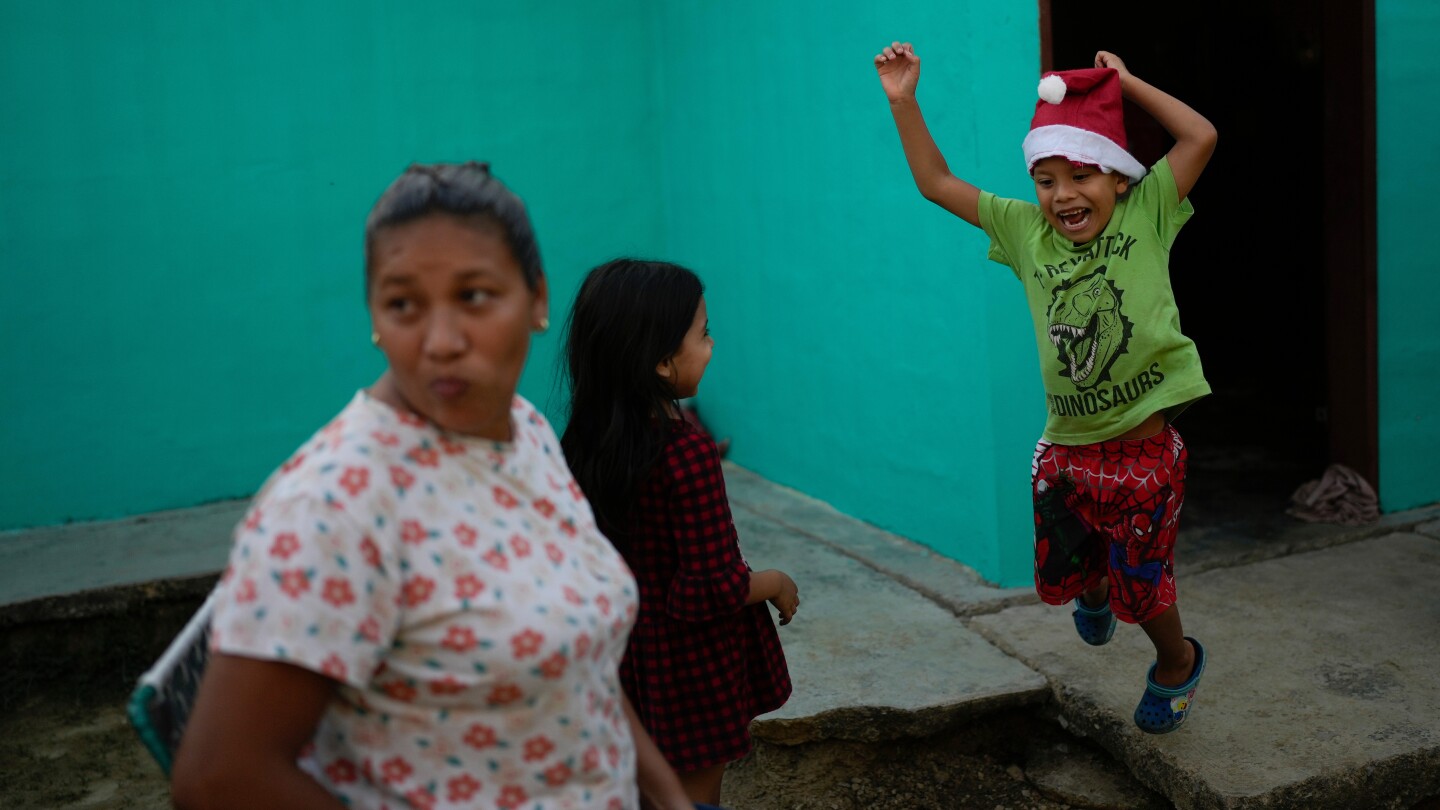
Venezuelan migrants who abandoned their journey to the United States celebrated Christmas in their hometown of Maracay this past week, finding comfort in familiar surroundings after what was likely a difficult decision to return home. The holiday season in Latin America showcased a rich tapestry of cultural traditions and personal stories across the region.
In Bolivia’s highlands, mountain guide Ana Lia Gonzales made headlines by climbing the Huayna Potosí glacier while dressed in a pollera, the colorful, multilayered skirt traditionally worn by Indigenous women of the region. Her ascent represents the growing presence of Indigenous women in mountaineering, a field historically dominated by men. The Huayna Potosí, standing at over 19,970 feet (6,088 meters), is one of the most popular climbing destinations in Bolivia’s Cordillera Real range.
The Christmas season brought both celebration and charity across the continent. In Buenos Aires, labor activists organized a special Christmas dinner outside Congress for people in need, providing a moment of joy for children who played with bubbles during the event. The dinner took place against the backdrop of Argentina’s ongoing economic challenges, where inflation and poverty have impacted millions of families.
In Mexico, the holiday period was marked by both celebration and mourning. Eduardo Castillo displayed a portrait of his son, Lt. Luis Enrique Castillo, who was killed in a Mexican Navy plane crash off the Texas coast. The tragedy highlighted the human cost behind military service and international operations, bringing grief to families during what should have been a festive time.
Political transitions also shaped the region’s Christmas season. In Santiago, Chile, President-elect Jose Antonio Kast and his wife Maria Pia Adriasola attended Mass at the Santiago Cathedral, where they were greeted by supporters. Kast’s election represents a significant political shift for Chile, which continues to navigate complex social and economic reforms.
In Caracas, Venezuela, the cityscape provided a striking backdrop to holiday celebrations, with its mix of modern buildings and hillside communities decorated for the season. The country continues to face economic hardships, though the return of migrants to cities like Maracay for Christmas suggests some Venezuelans are finding reasons to reconnect with their homeland.
Healthcare facilities across Latin America worked to bring Christmas cheer to patients. At the Brasilia Day Hospital in Brazil, therapy dogs were incorporated into Christmas sessions, offering comfort and joy to patients during their treatment. Animal-assisted therapy has gained increasing recognition in the region for its positive effects on patient well-being.
Brazil’s diverse Christmas celebrations extended to its remote areas as well. In Careiro da Varzea, a Santa Claus arrived by boat to distribute gifts to children living in riverside communities. These remote Amazonian settlements, accessible primarily by water, maintain unique holiday traditions adapted to their environment.
Young people throughout the region expressed their individuality during the holiday season. In La Paz, Bolivia, Francesca Barbieto was photographed skateboarding, representing the growing urban youth culture that coexists alongside traditional practices in many Latin American cities.
Ecuador’s rich cultural heritage was on display in Quingeo, where children participated in Christmas celebrations featuring the traditional “vaca loca” or crazy cow, a colorful costume and performance art that involves dancers carrying decorated wooden frames resembling cows, often with fireworks attached. This centuries-old tradition brings communities together through music, dance and vibrant displays.
Throughout Latin America, the Christmas season served as a reminder of the region’s diversity, resilience, and ability to maintain cultural traditions while adapting to contemporary challenges. From mountainous glaciers to Amazonian riverbanks, from urban centers to remote villages, the celebrations reflected both shared heritage and unique local customs that continue to define the region’s rich cultural landscape.
Fact Checker
Verify the accuracy of this article using The Disinformation Commission analysis and real-time sources.

8 Comments
The image of the Indigenous woman mountain guide climbing in traditional pollera dress is powerful. It’s great to see underrepresented groups making strides in fields historically dominated by men.
Absolutely, her ascent of the Huayna Potosí represents an important milestone for women’s mountaineering in the region.
The plight of Venezuelan migrants is a sobering reality. It’s good to see them finding moments of joy and comfort in familiar holiday celebrations, even as they grapple with difficult decisions about their futures.
The diversity of cultural traditions on display across Latin America during the Christmas season is truly fascinating. It’s a good reminder of the rich tapestry that makes up the region.
I’m curious to learn more about the specific traditions highlighted in this article, like the pollera skirts worn by Indigenous women in Bolivia. Cultural exchange is so important for fostering greater understanding.
The charitable efforts to provide Christmas meals for those in need in Buenos Aires are heartwarming. Small acts of kindness can make a big difference during the holiday season.
Agreed, it’s wonderful to see community groups and activists coming together to support the less fortunate at this time of year.
Fascinating to see how Christmas celebrations in Latin America incorporate local cultural traditions. The Venezuelan migrants returning home for the holidays must have been a bittersweet experience, finding comfort in familiar surroundings after a difficult journey.