


Listen to the article
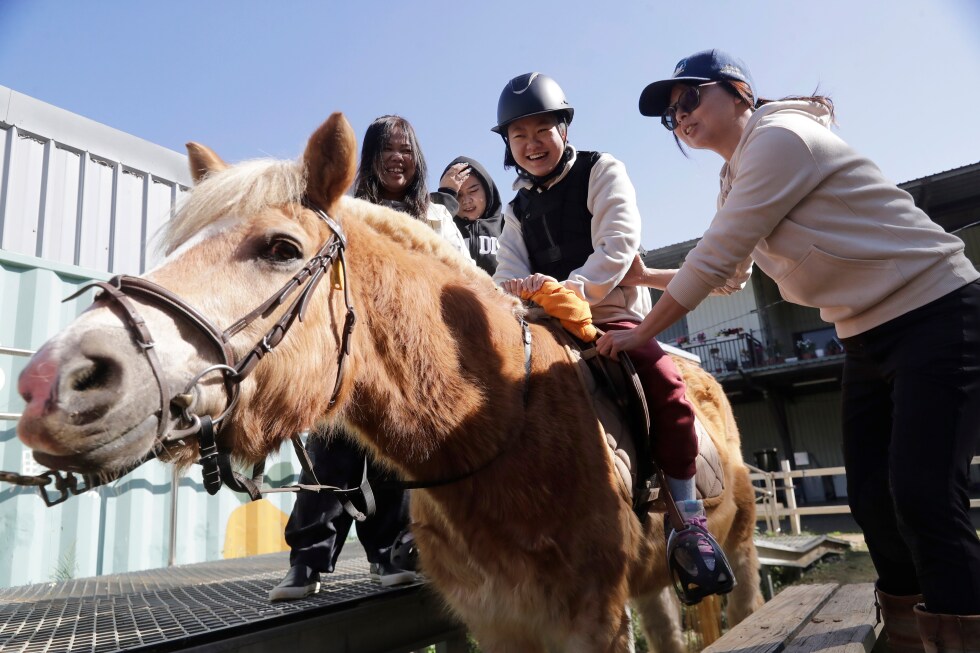
The smiling face of 18-year-old Chen You-ching tells a story of joy that transcends her physical limitations. As she prepares for her weekly horseback riding session in Taoyuan, Taiwan, her laughter fills the air—a sound her father Hector Chen has treasured since her first ride years ago.
“The first time she got on a horse, she was happy,” recalls Hector, who has faithfully brought his daughter to equine therapy sessions since her cerebral palsy diagnosis more than 16 years ago.
At the Therapeutic Riding Center of Taiwan, nestled in the island’s northern region, Chen is one of many children and young adults finding both companionship and therapeutic benefits through interactions with horses. The center provides specialized programs for individuals with various conditions including cerebral palsy, autism, and ADHD.
The rising popularity of animal-assisted therapy across Asia mirrors a global trend that has shown promising results for diverse populations. From children with developmental challenges to veterans coping with PTSD, the human-animal bond has become a recognized pathway to healing and growth.
For 5-year-old Ayah, who has Angelman Syndrome—a rare genetic disorder causing developmental delays—the transformation has been remarkable, according to her mother Abigail Liu.
“She started to be less scared about things she doesn’t know and is willing to try new things,” Liu explains. “All this started after she rode horses here.”
The therapeutic approach isn’t simply about placing children on horseback. It requires specially trained horses that can accommodate the unique movements of riders with physical limitations and remain calm when surrounded by multiple therapists, family members, and sometimes unpredictable behaviors.
Chan Shu-ya, a horse therapist at the center, emphasizes the importance of this specialized training. The horses must develop extraordinary patience and adaptability to serve their therapeutic purpose effectively.
The interactions extend beyond riding itself. Some children simply want to embrace the horse, feeling its warmth and listening to its steady heartbeat. During these moments, the horses stand remarkably still, creating a safe space for connection.
“They feel very at ease because the horse doesn’t show annoyance even if they keep talking to it,” explains Alain Chang, a riding coach at the Fang Hsing-Chung Social Welfare Foundation for Horses in Education and Health, another organization providing equine therapy in Taiwan. “For them to come here to touch them, to observe them, or even to hug them, this is a very special experience.”
The therapeutic benefits of these interactions have been documented in numerous studies worldwide. Physically, horseback riding improves core strength, balance, and coordination—critical developmental areas for children with conditions like cerebral palsy. Emotionally, the unconditional acceptance from these gentle animals helps build confidence and social skills.
Taiwan’s embrace of equine therapy reflects the island’s growing focus on innovative approaches to supporting individuals with disabilities. While traditional medical and physical therapies remain essential, complementary approaches like animal-assisted interventions are gaining recognition from healthcare providers and families alike.
The consistency of these weekly sessions provides more than just physical therapy—it creates a touchstone of joy and achievement in lives often marked by medical appointments and challenges.
“Many of these students that I meet look forward to coming to this every week, rain or shine,” Chang notes, highlighting the psychological importance of these regular interactions.
As Taiwan’s therapeutic riding programs continue to develop, they join a global community of practitioners finding innovative ways to harness the healing power of human-animal connections. For families like the Chens, the smiles and laughter emerging during these sessions provide immeasurable value on their journey—proof that sometimes the most profound therapies come with four legs and a gentle spirit.
Fact Checker
Verify the accuracy of this article using The Disinformation Commission analysis and real-time sources.

15 Comments
The global trend towards animal-assisted therapy is fascinating. It’s amazing to see how the human-animal bond can foster healing and growth in such a wide range of populations, from children with disabilities to veterans coping with PTSD.
Absolutely, the versatility of this approach is truly remarkable. It speaks to the powerful and often underappreciated therapeutic potential of our relationships with animals.
The smiles and laughter from the children in this article are so heartwarming. It’s clear that the connection and interaction with the horses is having a profoundly positive impact on their lives and well-being.
Absolutely, the joy and happiness the children experience is truly special to see. Horse therapy seems to unlock something magical for these kids.
I’m curious to learn more about the specific techniques and approaches used in these equine therapy sessions. How do the practitioners work to maximize the benefits for each child’s unique needs and challenges?
That’s a great question. I imagine the therapists likely use a combination of hands-on interactions, guided activities, and careful observation to customize the experience for each child and their particular condition or goals.
While the focus of this article is on the benefits of equine therapy for children with disabilities, I wonder if there are similar programs available for adults with physical or mental health challenges. Expanding access to these types of transformative services could make a real difference.
I’m curious to learn more about the specific programs and facilities like the Therapeutic Riding Center of Taiwan that are offering these life-changing services. It would be great to see more initiatives like this expand to support even more children and families.
This is a heartwarming story about how horse therapy can make a real difference in the lives of children with disabilities. It’s wonderful to see the joy and progress these young people experience through their interactions with the horses.
I agree, the therapeutic benefits of the human-animal bond are so valuable, especially for vulnerable populations like children with special needs.
It’s inspiring to see how equine therapy is becoming more popular across Asia. The calming presence and therapeutic effects of horses can be truly transformative for individuals dealing with a wide range of conditions.
Yes, the growth of animal-assisted therapy globally is a very positive trend. It provides accessible and effective support for people who may not respond as well to traditional therapies.
It’s admirable that places like the Therapeutic Riding Center in Taiwan are tailoring their programs to support individuals with a diverse range of conditions, from cerebral palsy to autism. The versatility of equine therapy is truly remarkable.
While the benefits of equine therapy are well documented, I wonder about the accessibility and affordability of these programs, especially in developing regions. Ensuring equitable access to such transformative services is an important consideration.
That’s a great point. Expanding the reach and availability of these programs, perhaps through public-private partnerships or subsidies, could make a huge difference for families who may not otherwise be able to access this type of therapy.