


Listen to the article
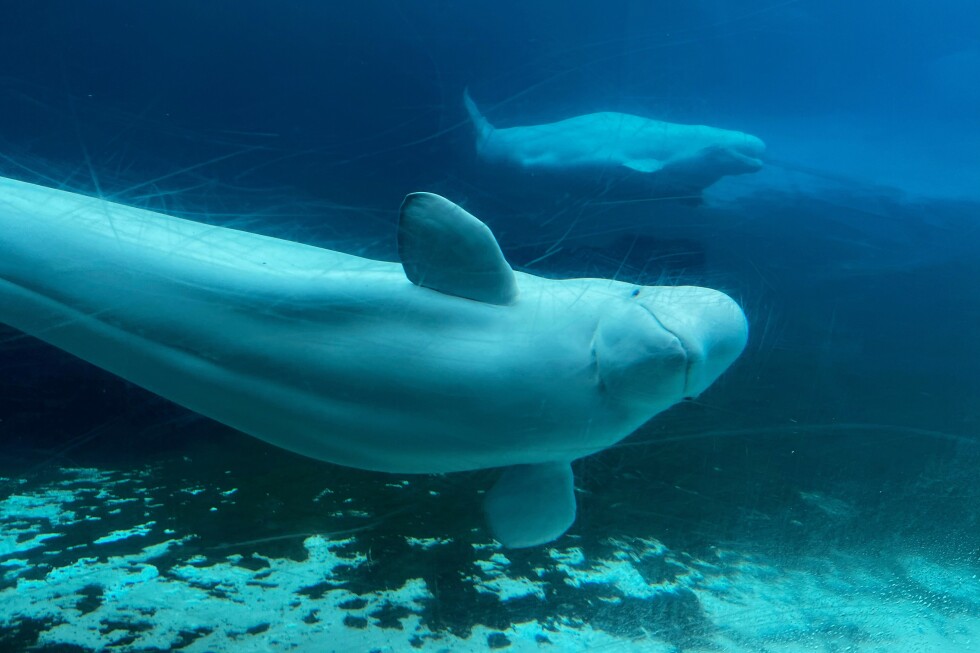
Canada’s last captive whales have received a reprieve from death after the government conditionally approved a plan Monday to export them to the United States.
Fisheries Minister Joanne Thompson met with officials from Marineland, the shuttered theme park and zoo in Niagara Falls, Ontario, to discuss their proposal to relocate the marine mammals. The park is currently in negotiations with four American institutions to take in its 30 beluga whales and four dolphins.
“It was a constructive meeting, and I provided conditional approval for export permits,” Thompson said in a statement posted on social media. “I will issue the final permits once final required information is received from Marineland.”
The decision comes amid growing financial pressures on the facility. Marineland had repeatedly warned the government it was running out of money and had set a January 30 deadline, after which it claimed the animals would need to be euthanized if export permits were not authorized, according to a letter obtained by The Canadian Press.
In a statement following the meeting, Marineland expressed gratitude to the minister and the Canadian government “for prioritizing the lives of these remarkable marine mammals.” The park characterized the relocation as an “urgent rescue solution” that it had presented to federal officials last week.
The Ontario attraction is reportedly in discussions with several prominent U.S. aquariums, including the Shedd Aquarium in Chicago, Georgia Aquarium in Atlanta, Mystic Aquarium in Connecticut, and SeaWorld, which operates multiple facilities across the United States.
Ontario Premier Doug Ford voiced support for Thompson’s decision, criticizing the current conditions at Marineland. “They’re going to have a better home than where they are because it’s a terrible home they’re in right now,” Ford said. “It wasn’t large enough.”
The facility’s animal welfare record has faced increasing scrutiny in recent years. According to an ongoing tally maintained by The Canadian Press based on internal records and official statements, twenty marine mammals—one killer whale and 19 belugas—have died at Marineland since 2019.
This isn’t the first time Marineland has sought to relocate its marine mammals. In October, the park applied for permits to export its belugas to Chimelong Ocean Kingdom, an aquarium in China. Thompson rejected those applications, stating she would not subject the whales to a future of performing in captivity.
Her decision reflects Canada’s evolving stance on cetacean captivity. In 2019, the country passed legislation banning the captivity of whales and dolphins, though Marineland’s existing animals were grandfathered in under the law. This legislation represented a significant shift in Canada’s approach to marine mammal welfare, acknowledging growing public concerns about keeping these intelligent creatures in artificial environments.
The potential transfer to U.S. facilities marks a critical turning point for North America’s marine mammal exhibition industry, which has faced increasing criticism from animal welfare advocates. Many facilities have moved away from performances and breeding programs toward conservation-focused exhibitions, though debate continues about whether any form of captivity is appropriate for these animals.
For the belugas and dolphins at Marineland, the move represents both a lifeline and an uncertain future. While the U.S. facilities likely offer improved conditions compared to their current situation, questions remain about the long-term welfare implications of transferring these animals to new captive environments rather than potential sanctuary or rehabilitation options.
The conditional approval requires Marineland to provide additional information before final permits are issued, though specific details about these requirements have not been made public. Wildlife authorities will likely monitor the transportation process closely to ensure the animals’ welfare during what could be a stressful relocation.
Fact Checker
Verify the accuracy of this article using The Disinformation Commission analysis and real-time sources.

8 Comments
The financial pressures on Marineland are understandable, but euthanasia should never be the default option for captive animals. I’m glad the government stepped in to find a more humane solution, even if it’s not a perfect one.
Agreed. Euthanasia should always be the absolute last resort, especially for intelligent, social animals like belugas. I hope the relocation plan prioritizes their welfare above all else.
While I appreciate the government’s efforts to save the belugas, I can’t help but wonder if this is just delaying the inevitable. Captivity is inherently difficult for these animals, and I hope the long-term plan involves phasing out marine parks entirely.
While I’m glad the belugas will be spared from euthanasia, I can’t help but feel uneasy about the idea of exporting them to the US. I hope the government has thoroughly vetted the receiving institutions and their plans for the whales.
I’m curious to learn more about the American institutions that will be taking in the belugas. What are their plans for the whales, and how will they ensure their long-term care and rehabilitation? Transparency around this process will be important.
This decision raises a lot of questions about the welfare and long-term care of the belugas. I hope the government and Marineland will be transparent about the details of the relocation plan and the capabilities of the US facilities taking them in.
The Canadian government deserves credit for trying to find a humane solution, even if it’s not a perfect one. Relocating the belugas to the US is better than euthanasia, but I hope this leads to broader discussions about the ethics of captive marine life.
This is a complex issue with valid arguments on both sides. While I’m glad the remaining belugas will be relocated, I hope the transition is carefully managed to ensure their well-being. Captive marine life is a contentious topic with no easy answers.