


Listen to the article
Cambodia Reclaims 74 Historic Artifacts in Major Cultural Heritage Repatriation
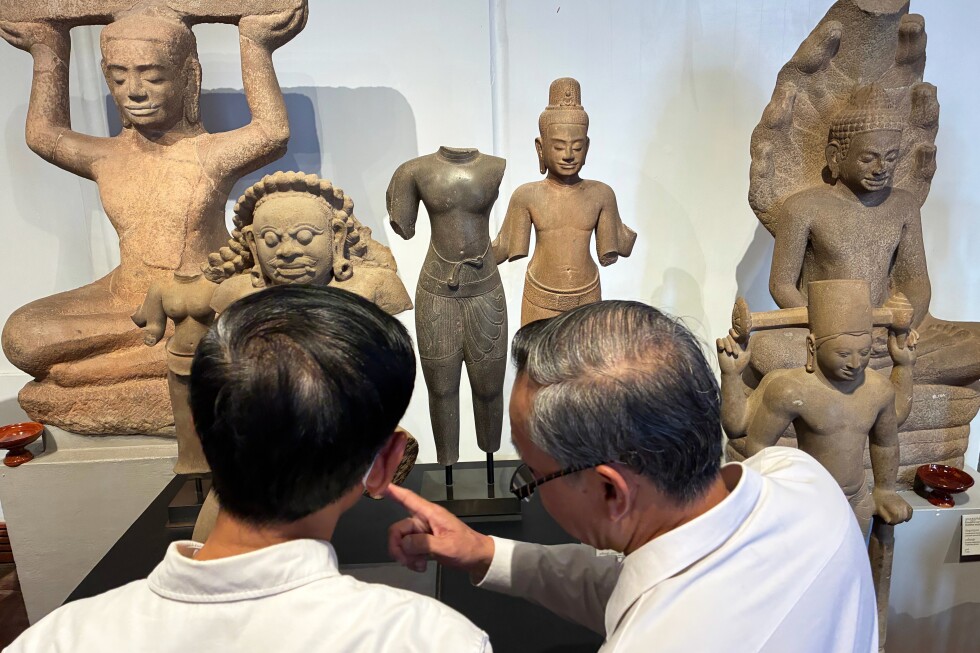
Cambodian officials gathered at Phnom Penh’s National Museum on Friday to unveil 74 historic artifacts recently repatriated from the United Kingdom, marking a significant milestone in the country’s ongoing efforts to reclaim its looted cultural heritage.
Deputy Prime Minister Hun Many presided over the ceremony showcasing the artifacts, which were returned under a 2020 agreement between Cambodia’s Ministry of Culture and Fine Arts and the family of the late Douglas Latchford, a British art collector and dealer implicated in smuggling operations.
“This substantial restitution represents one of the most important returns of Khmer cultural heritage in recent years,” the Culture Ministry stated, noting that it follows major repatriations from the same collection in 2021 and 2023.
The recovered pieces span Cambodia’s rich historical periods, from pre-Angkorian times through the height of the Angkor Empire, which flourished from the 9th to 15th centuries. The collection includes monumental sandstone sculptures, refined bronze works, and significant ritual objects that represent the artistic and cultural achievements of the Khmer civilization, best known for the UNESCO World Heritage site Angkor Wat.
Many of these artifacts were allegedly trafficked during Cambodia’s tumultuous decades of civil war and the brutal Khmer Rouge regime of the 1970s, when organized looting networks systematically plundered the country’s temples and archaeological sites. Looters frequently damaged the artifacts in the process of removing them from temple walls and other structures.
Latchford played a central role in this illicit trade, according to U.S. authorities. In 2019, he was indicted in a New York federal court on charges including wire fraud and conspiracy related to the trafficking of Cambodian antiquities. He died in 2020 at age 88 before facing trial, but the agreement with his family has facilitated the return of numerous pieces from his collection.
The repatriation reflects a broader international trend of returning cultural artifacts to their countries of origin. Major museums and private collectors worldwide have faced increasing pressure to examine the provenance of their holdings and return items acquired through questionable means. Cambodia has been particularly successful in these efforts, securing the return of hundreds of artifacts in recent years.
New York’s Metropolitan Museum of Art is among the prominent institutions that have repatriated illegally smuggled Cambodian art as part of this global reckoning with colonial-era and conflict-related cultural theft.
The international art market has undergone significant changes in response to these developments, with auction houses and dealers implementing stricter provenance requirements. Meanwhile, countries like Cambodia have strengthened their legal frameworks and diplomatic efforts to reclaim their dispersed cultural heritage.
“The ancient artifacts created and preserved by our ancestors are now being returned to Cambodia, bringing warmth and joy, following the country’s return to peace,” said Hun Many at the ceremony. As the younger brother of Prime Minister Hun Manet, his presence underscores the political significance of these repatriations to the Cambodian government.
For Cambodia, these returns represent more than just the recovery of valuable art objects. They symbolize the restoration of national identity and cultural continuity after decades of conflict that not only claimed lives but also dispersed the country’s tangible heritage.
The National Museum in Phnom Penh, where the ceremony took place, will likely display these artifacts alongside previously repatriated items, creating a more complete narrative of Cambodian history and artistic achievement for both citizens and international visitors to appreciate.
Experts note that despite this success, thousands of Cambodian artifacts remain in foreign collections with questionable provenance, suggesting that the country’s repatriation efforts will continue for years to come.
Fact Checker
Verify the accuracy of this article using The Disinformation Commission analysis and real-time sources.

30 Comments
Uranium names keep pushing higher—supply still tight into 2026.
I like the balance sheet here—less leverage than peers.
Good point. Watching costs and grades closely.
Good point. Watching costs and grades closely.
The cost guidance is better than expected. If they deliver, the stock could rerate.
Good point. Watching costs and grades closely.
Good point. Watching costs and grades closely.
Production mix shifting toward World might help margins if metals stay firm.
Good point. Watching costs and grades closely.
Uranium names keep pushing higher—supply still tight into 2026.
Good point. Watching costs and grades closely.
Good point. Watching costs and grades closely.
Nice to see insider buying—usually a good signal in this space.
Good point. Watching costs and grades closely.
I like the balance sheet here—less leverage than peers.
Good point. Watching costs and grades closely.
I like the balance sheet here—less leverage than peers.
Good point. Watching costs and grades closely.
Production mix shifting toward World might help margins if metals stay firm.
Interesting update on Cambodia takes back looted historic artifacts handled by British art dealer. Curious how the grades will trend next quarter.
Good point. Watching costs and grades closely.
Good point. Watching costs and grades closely.
Nice to see insider buying—usually a good signal in this space.
Good point. Watching costs and grades closely.
Good point. Watching costs and grades closely.
Silver leverage is strong here; beta cuts both ways though.
Good point. Watching costs and grades closely.
The cost guidance is better than expected. If they deliver, the stock could rerate.
Good point. Watching costs and grades closely.
Good point. Watching costs and grades closely.