


Listen to the article
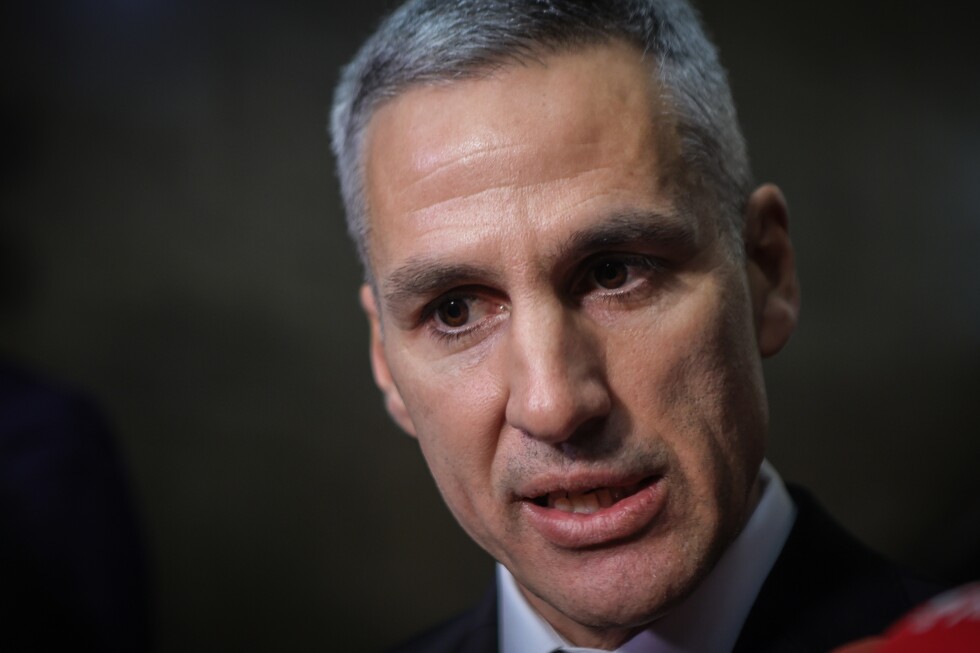
Bulgaria’s new Prime Minister Andrey Gyurov pledged on Thursday to maintain the country’s pro-Western orientation, describing it as “a core value” and a strategic commitment as Bulgaria prepares for upcoming elections in April.
Addressing the National Assembly after his swearing-in ceremony, Gyurov emphasized that Bulgaria would continue supporting efforts to achieve a lasting and just peace in Ukraine. He committed to working closely with the nation’s allies in the European Union and NATO, reinforcing Bulgaria’s position on the international stage.
“Bulgaria belongs to the democratic states and will defend that position by being predictable, maintaining economic stability, and protecting the democratic order,” Gyurov told lawmakers.
The 50-year-old economist comes to the premiership with significant financial and political experience, having served as deputy governor of Bulgaria’s central bank since 2023. Previously, he was a member of parliament and floor leader for the reformist “We Continue the Change” group.
Gyurov’s appointment follows the resignation of the previous center-right GERB-led coalition government at the end of 2025. That administration collapsed amid widespread nationwide protests fueled by public anger over corruption and perceived institutional injustice, issues that have long plagued Bulgarian politics.
The political upheaval has set the stage for yet another national election on April 19 – the eighth such contest since April 2021. This remarkable frequency of elections underscores Bulgaria’s ongoing political instability, which has hampered governance in the European Union’s poorest member state.
Political analysts suggest the upcoming vote could strengthen nationalist and pro-Russia groups in parliament, potentially complicating Bulgaria’s Western alignment at a time of heightened geopolitical tension in Eastern Europe. Bulgaria, which joined NATO in 2004 and the European Union in 2007, has traditionally maintained close cultural and historical ties with Russia while pursuing European integration.
As caretaker premier, Gyurov will lead a cabinet composed primarily of experts rather than career politicians. His administration faces two critical challenges: ensuring fair and transparent elections and restoring public trust in institutions, which has been severely eroded by years of political uncertainty and allegations of corruption.
Electoral integrity remains a significant concern in Bulgaria. Addressing reports of vote-buying and election manipulation that have marred previous contests, Gyurov called for “civic maturity” and “zero tolerance” toward electoral violations. He urged citizens to participate in the April election and “not allow their vote to be turned into a tool serving someone else’s interests.”
Bulgaria’s political instability occurs against the backdrop of significant regional challenges, including the ongoing conflict in Ukraine and increasing tensions between Russia and NATO. As a frontline EU and NATO member bordering the Black Sea, Bulgaria’s strategic importance has grown since Russia’s 2022 invasion of Ukraine.
The country also faces persistent economic challenges despite EU membership, with living standards still well below the European average. Corruption and the rule of law remain ongoing concerns for Brussels, with the European Commission regularly monitoring Bulgaria’s progress on judicial reform and anti-corruption measures.
Gyurov’s administration, though temporary, will be closely watched for signs that Bulgaria can break its cycle of political instability and make progress on these long-standing issues ahead of yet another attempt at establishing a stable, reform-oriented government through the ballot box in April.
Fact Checker
Verify the accuracy of this article using The Disinformation Commission analysis and real-time sources.

13 Comments
Bulgaria’s pro-Western stance is a critical geopolitical factor. Hope the upcoming elections reinforce the country’s democratic trajectory and economic stability.
Maintaining Bulgaria’s democratic order and international alliances will be crucial as the country heads into elections. Curious to see how the new PM’s financial and political experience shapes his leadership.
Bulgaria’s commitment to its Western partners is an important regional dynamic. Interested to see how the new PM’s reform agenda plays out in the lead-up to the April vote.
Bulgaria’s position as a democratic EU and NATO member is important for regional stability. Curious to see how the new PM’s background shapes his leadership approach.
It’s reassuring to hear the new Bulgarian PM emphasize democratic values and Western alliances. Maintaining this course will be crucial as the country heads to the polls.
Agreed, Bulgaria’s pro-Western orientation is a core strategic priority. Hope the upcoming elections reinforce the country’s democratic trajectory.
Bulgaria’s pro-Western orientation is a core strategic priority. The new PM’s focus on economic stability and democratic institutions is reassuring ahead of the upcoming vote.
Bulgaria’s pro-Western orientation is an important strategic commitment. Maintaining economic stability and democratic institutions will be critical as the country heads into elections.
Glad to see Bulgaria reaffirming its EU and NATO alignment. Interested to see how the upcoming vote shapes the country’s future direction.
Bulgaria’s commitment to the EU and NATO is an important regional dynamic. Interested to see how the new PM’s reform agenda plays out in the lead-up to the April vote.
It’s encouraging to hear the new PM emphasize Bulgaria’s democratic values and commitment to its Western allies. Curious to see how this plays out in the lead-up to the April elections.
Bulgaria’s position as a democratic state in the region is important. Hope the elections reinforce the country’s pro-Western course.
Glad to see Bulgaria’s new PM reaffirming the country’s Western orientation. Maintaining predictability and protecting democratic institutions will be key priorities ahead of the April vote.