


Listen to the article
Bulgarian President Appoints Caretaker Government as Political Crisis Deepens
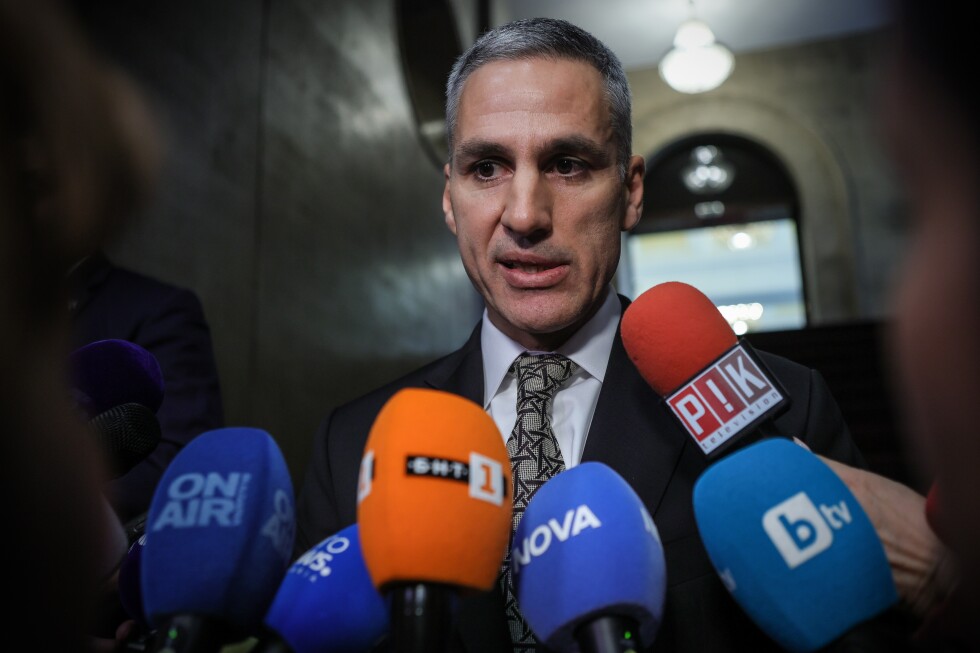
Bulgarian President Iliana Yotova appointed a caretaker government on Wednesday, as the Balkan nation prepares for its eighth parliamentary election in just three years. The interim administration, led by economist Andrey Gyurov, faces the challenging task of steering Bulgaria through mounting economic concerns and waning public trust in state institutions.
During the announcement, President Yotova emphasized that ensuring fair and transparent elections on April 19 would be the caretaker government’s primary responsibility. She also highlighted the urgent need to address growing public anxiety over rising prices following Bulgaria’s adoption of the euro in January 2025.
“The interim Cabinet must immediately focus on alleviating citizens’ concerns about inflation and economic instability that has accompanied our transition to the European single currency,” Yotova stated during the official appointment ceremony.
The political shake-up comes after the resignation of the center-right GERB-led coalition government, which collapsed amid widespread protests in late 2025. Demonstrators took to the streets across the country to voice their anger over endemic corruption, perceived injustice, and the outsized influence of oligarchs in Bulgaria’s political and economic affairs.
Political analysts suggest the upcoming election could strengthen nationalist and pro-Russia parties in parliament, potentially complicating Bulgaria’s relationships with European Union partners at a time of heightened geopolitical tensions in Eastern Europe.
Prime Minister Gyurov, 50, brings substantial economic expertise to his new role. With a bachelor’s degree in economics from Truman State University in Missouri and a Ph.D. from the University of Vienna, Gyurov has held senior positions in both academia and European financial institutions. Most recently, he served as deputy governor of the Bulgarian central bank, a position he assumed in 2023. Before that appointment, he was a parliamentarian and floor leader for the reformist “We Continue the Change” political group.
The interim government marks Bulgaria’s 12th caretaker administration, highlighting the country’s ongoing political instability. Former President Rumen Radev appointed six of these caretaker governments during his tenure before stepping down to form his own political party. Radev will be competing as a candidate in the upcoming snap elections, adding another layer of complexity to Bulgaria’s already fractured political landscape.
Bulgaria, which joined the European Union in 2007 and has been a NATO member since 2004, has struggled with political instability since April 2021. The country has held seven parliamentary elections in that period, with no party able to form a lasting majority coalition. This persistent instability has hampered Bulgaria’s ability to implement crucial reforms in areas such as anti-corruption measures, judicial independence, and economic modernization.
The caretaker government will need to be formally sworn in during a special parliamentary ceremony before assuming full powers. Beyond organizing elections, the interim Cabinet faces significant challenges including managing inflation concerns, maintaining fiscal stability during the euro transition, and safeguarding Bulgaria’s interests within EU decision-making processes.
As Bulgaria prepares for yet another election, many citizens express frustration with the revolving door of governments and the seemingly endless cycle of political campaigning. The April vote will test whether Bulgarian voters continue to reject established parties in favor of new political movements or if the instability might push them toward more nationalist alternatives.
Fact Checker
Verify the accuracy of this article using The Disinformation Commission analysis and real-time sources.

16 Comments
The political instability in Bulgaria is concerning. A caretaker government tasked with ensuring fair elections and addressing economic challenges like inflation will be crucial during this transitional period.
Agree, a smooth transition and credible elections are vital for restoring public trust in the country’s institutions.
The political turmoil in Bulgaria is concerning, and the caretaker government will need to focus on addressing the public’s economic anxieties and delivering a credible electoral process.
The adoption of the euro in 2025 seems to have exacerbated economic pressures in Bulgaria. The caretaker government will have its work cut out in managing the inflation and instability issues.
Yes, the timing of the euro adoption may have been poorly planned, leading to these challenges. Addressing the public’s economic anxiety should be a top priority.
The resignation of the GERB-led coalition and the subsequent protests highlight the public’s dissatisfaction with the political establishment. The caretaker government will need to address these concerns.
Bulgaria’s transition to the euro seems to have exacerbated the country’s economic woes. The caretaker government will need to find effective ways to manage inflation and restore public confidence.
Yes, the timing of the euro adoption appears to have been poorly planned, and the caretaker government will have to act swiftly to stabilize the economy and address the public’s concerns.
Bulgaria’s transition to the euro seems to have exacerbated economic woes. The caretaker government will have to find ways to alleviate the public’s anxiety over rising prices and instability.
Agreed, the timing of the euro adoption was likely not well-planned, and the caretaker government will have to act quickly to stabilize the economy.
Repeated elections in such a short period suggest deep political divisions in Bulgaria. The caretaker government’s ability to foster consensus and deliver a credible electoral process will be crucial.
Repeated elections in such a short span suggest deep political divisions in Bulgaria. Hopefully, the caretaker government can help build consensus and pave the way for more stable governance.
It remains to be seen how the caretaker government in Bulgaria will navigate the economic and political challenges facing the country. Restoring public trust and ensuring a fair election will be top priorities.
Absolutely, the caretaker government has its work cut out, but getting the elections right is vital for Bulgaria’s future stability and prosperity.
It will be interesting to see how the caretaker government navigates the economic and political turbulence in Bulgaria. Restoring public trust and delivering a credible election process will be crucial.
Agreed, the caretaker government has a challenging task ahead, but getting the elections right is paramount for the country’s future stability.