


Listen to the article
Bulgaria Races to Save Strategic Oil Refinery Before U.S. Sanctions Hit
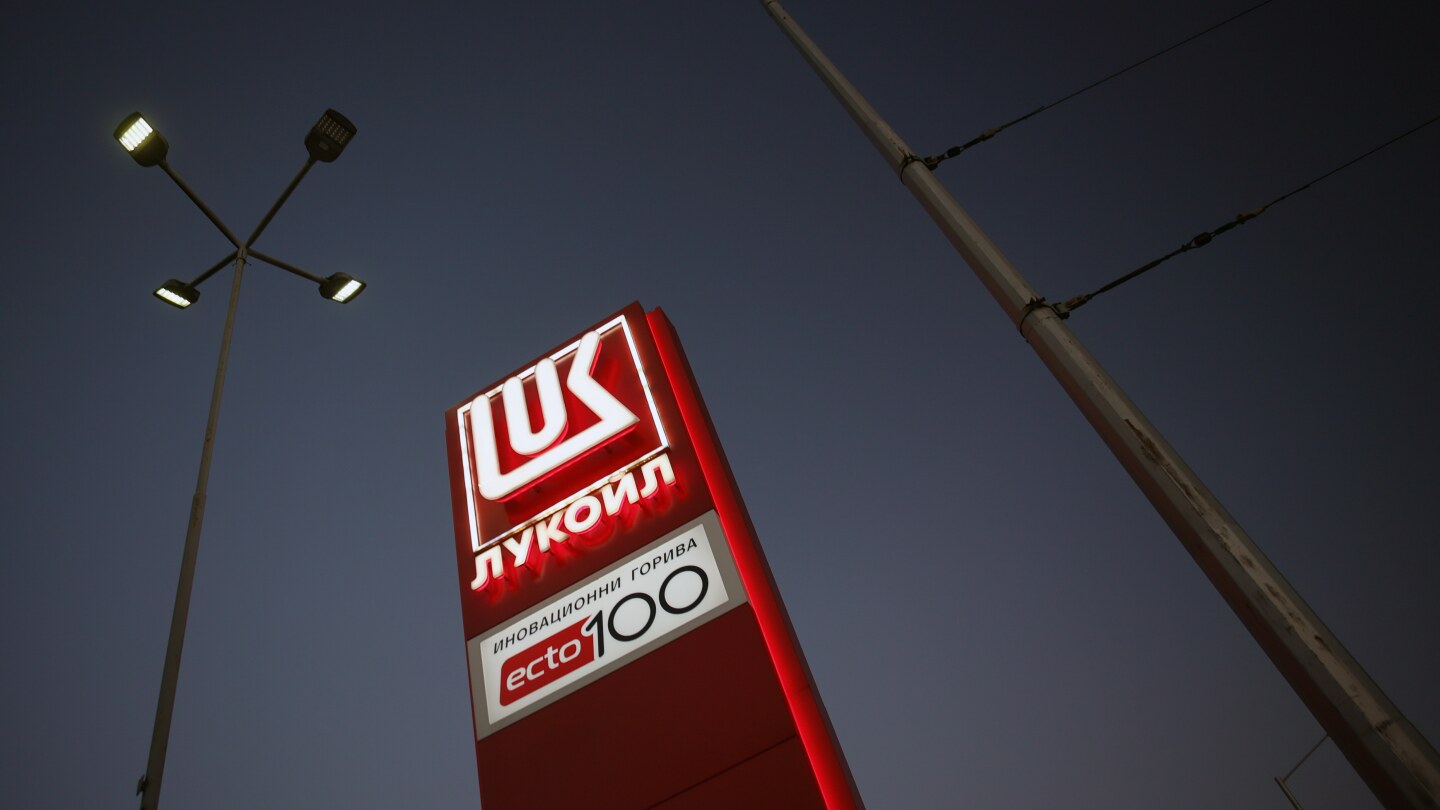
Bulgaria has intensified efforts to prevent the shutdown of its only oil refinery as U.S. sanctions against the facility’s Russian owner, Lukoil, are set to take effect on November 21.
In an emergency session, the Bulgarian parliament approved significant legal amendments that grant a government-appointed manager extensive operational control over the Lukoil-owned Neftochim refinery in Burgas, located on the country’s Black Sea coast. These new powers include the authority to sell the refinery’s shares, a move that has sparked heated debate among lawmakers.
The parliamentary action comes at a critical moment, following the collapse of negotiations between Lukoil and international commodities traders who had been considering purchasing the company’s international assets. Lukoil announced it was divesting its international holdings in response to U.S. sanctions designed to pressure Russia into agreeing to a ceasefire in Ukraine. The Russian energy giant currently maintains oil and gas operations across 11 countries, including the strategically important Burgas facility.
“This situation presents an unprecedented challenge to our energy security,” said a government spokesperson following the vote. “The approved measures are necessary to ensure continuous operation of a facility that is vital to our national economy.”
The ruling coalition justified the extraordinary measures by warning that the impending U.S. sanctions “will effectively lead to the shutdown of the refinery’s operations due to the refusal of all counterparties to make payments to Lukoil-owned companies.” Without intervention, the government claims the country faces potential fuel shortages and price instability.
Opposition figures have voiced strong concerns about the legal implications of these amendments. Ivaylo Mirchev, leader of the Democratic Bulgaria alliance, criticized the move during parliamentary debates. “This person will be granted such extraordinary powers that, in the end, Lukoil will sue Bulgaria — and the money will end up in Russia,” he argued.
The Neftochim refinery, acquired by Lukoil in 1999, stands as the largest oil refining facility in the Balkans and represents a cornerstone of Bulgaria’s economy. With an estimated value of 1.3 billion euros ($1.5 billion) and annual turnover reaching approximately 4.7 billion euros ($5.4 billion) in 2024, the facility’s importance extends beyond energy production. Its extensive network of oil depots and gas stations gives Lukoil near-monopoly status in Bulgaria’s fuel market.
Energy security experts note that the facility’s strategic significance cannot be overstated. “This refinery processes up to 9.5 million tons of crude oil annually and supplies approximately 80% of Bulgaria’s fuel needs,” explained Maria Petrova, an analyst at the Sofia Energy Institute. “Finding alternative supply chains on short notice would be extremely challenging and costly.”
In a related move last week, Bulgaria imposed temporary restrictions on the export of petroleum products, including those destined for other European Union members. The export ban covers diesel, gasoline, and aviation fuel, underscoring the government’s concerns about potential domestic supply disruptions once sanctions take effect.
The situation highlights the complex geopolitical challenges facing Bulgaria as it balances its commitments to Western allies with domestic energy security concerns. As a NATO and EU member that has historically maintained close ties with Russia, Bulgaria continues to navigate the difficult terrain between energy dependency and political alignment.
Industry observers note that the outcome of this situation will likely influence similar scenarios across Eastern Europe, where Russian energy interests remain significant despite ongoing efforts to diversify supply chains following Russia’s invasion of Ukraine in 2022.
As the November 21 deadline approaches, Bulgarian officials have indicated they are in communication with both U.S. authorities and European partners to mitigate potential economic disruption while complying with international sanctions.
Fact Checker
Verify the accuracy of this article using The Disinformation Commission analysis and real-time sources.

14 Comments
This is a delicate balancing act for Bulgaria, as it seeks to maintain a critical piece of energy infrastructure while also complying with the US sanctions on Lukoil. The government’s actions demonstrate the importance of the refinery, but the long-term implications remain uncertain.
I wonder if there are any potential international partners or alternative ownership models that could help Bulgaria resolve this situation in a way that satisfies all stakeholders.
This highlights the complex interplay between national energy security, international sanctions, and corporate interests. Bulgaria’s actions to prevent the refinery’s shutdown are understandable, but the long-term implications remain uncertain.
I wonder if there are any potential alternative ownership or operating models that could help resolve this impasse while complying with the US sanctions.
The collapse of negotiations to sell the refinery’s assets is a setback, but Bulgaria’s decisive steps to assert control are a pragmatic response to a difficult situation. The country’s energy needs must be balanced with geopolitical realities.
It will be crucial for Bulgaria to find a sustainable solution that ensures the refinery’s continued operation while navigating the US sanctions on Lukoil.
This is a high-stakes game of energy security and geopolitics. Bulgaria’s efforts to prevent the refinery’s shutdown are understandable, but the long-term implications remain uncertain given the US sanctions on Lukoil.
I hope Bulgaria can find a creative solution that upholds its energy needs while also aligning with the broader international sanctions regime.
The refinery’s strategic importance for Bulgaria’s oil supply is clear, but the US sanctions on Lukoil create a difficult dilemma. The government will need to balance energy needs and geopolitical realities.
It will be interesting to follow how this unfolds and whether Bulgaria can find a viable long-term solution to keep the refinery running.
This is a complex situation with high stakes for Bulgaria’s energy security. Maintaining operations at the Lukoil-owned refinery is crucial, but navigating the US sanctions poses significant challenges.
I’m curious to see how the Bulgarian government’s new powers over the refinery’s operations and ownership will play out.
The Bulgarian government’s move to assert control over the Lukoil-owned refinery is a bold step, but it highlights the complex interplay between national interests and global geopolitics. The country’s energy security is at stake, but navigating the US sanctions will be challenging.
It will be interesting to see how this situation evolves and whether Bulgaria can find a sustainable solution that satisfies both its domestic needs and international obligations.