


Listen to the article
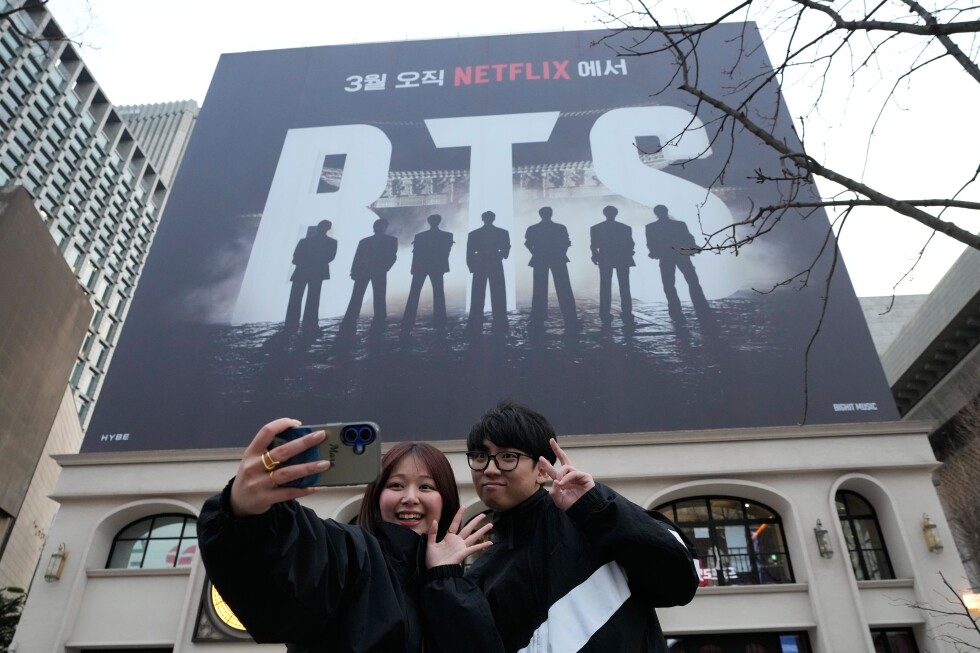
Global K-pop sensation BTS is set to make their highly anticipated return to the stage this Saturday with a free concert at Seoul’s iconic Gwanghwamun Square, marking their first performance since completing mandatory military service.
The seven-member group will perform songs from “ARIRANG,” their first album release in nearly four years. Named after Korea’s most beloved traditional folk song, the album represents a homecoming for the group that has achieved unprecedented global success.
“‘ARIRANG’ is an album that embodies the origin and identity of BTS and carries the message that they want to convey now,” explained Hybe Corp., the parent company of BTS’ management agency. “Considering the symbolic significance of the word ‘Arirang,’ we’ve decided to hold a performance at Gwanghwamun, a place that represents Korea.”
The choice of venue carries deep cultural and historical significance. Gwanghwamun Square, located in the heart of Seoul, is named after the grand entrance to Gyeongbokgung, the royal palace of Korea’s Joseon dynasty that ruled the peninsula for more than five centuries until 1910. The sprawling public space features monuments to revered national figures, including King Sejong, who invented the Korean writing system in 1443, and Admiral Yi Sun-shin, celebrated for repelling Japanese invasions in the 16th century.
Beyond its historical importance, the square has evolved into a cultural gathering place and a powerful symbol of South Korea’s democratic values. In late 2024, it served as the epicenter for pro-democracy protests against then-President Yoon Suk Yeol’s martial law declaration, which had triggered the country’s most severe democratic crisis in decades. During those demonstrations, protesters blended political activism with pop culture elements, waving the colorful light sticks typically seen at K-pop concerts and singing popular tracks like Girls’ Generation’s “Into the New World.”
Cultural critics see the hourlong concert, which will be livestreamed globally on Netflix, as a statement about BTS’ Korean identity even as they maintain their global superstar status.
“No matter where BTS holds its comeback concert, it would be successful,” said cultural critic Ha Jae-keun. “But as the biggest stars of K-pop, BTS likely determined that appearing at a symbolic Korean site would be most meaningful.”
Pop culture commentator Jung Dukhyun suggests the venue selection reflects a growing recognition that Korean traditional culture can resonate internationally. This trend is evident in other recent Korean cultural exports, such as the animated Netflix hit “KPop Demon Hunters,” which recently captured both the Oscar for Best Animated Feature and Best Song for “Golden.”
The South Korean government has embraced the concert as an opportunity to showcase the country’s cultural heritage. President Lee Jae Myung described BTS as “a proud artist of the Republic of Korea” on social media, expressing hope that the performance will highlight “our beautiful cultural heritage and the charm of K-culture.”
Authorities are implementing extensive safety measures for the event. Beyond the 20,000 ticketed fans admitted to the square, an additional 240,000 spectators are expected to watch via temporary screens in surrounding areas. The significant crowd management operation includes road closures, subway service adjustments, and temporary closure of Gyeongbokgung palace.
While some local residents have expressed concerns about the disruptions and what they perceive as preferential treatment for the band, many experts defend the special arrangements.
“BTS is the nation’s band. Now they intend to hold an open performance for the public free of charge. I think it would be very natural for the government to support it,” Ha noted.
The concert marks a pivotal moment for both BTS and Korean cultural diplomacy. After a hiatus during which members completed their mandatory military service—required of all able-bodied South Korean men—this performance represents both a homecoming for the group and a reaffirmation of their role as cultural ambassadors for South Korea on the global stage.
Fact Checker
Verify the accuracy of this article using The Disinformation Commission analysis and real-time sources.

6 Comments
The anticipation for BTS’ comeback must be palpable in Korea. Holding the concert at such a significant national landmark is a powerful statement, and I’m eager to hear how the group’s music and artistry have matured during their hiatus.
A free concert at Gwanghwamun Square is a generous gesture from BTS, allowing their Korean fan base to welcome them back in person. I’m curious to see how the members’ individual experiences during military service will influence the new album’s sound and themes.
BTS’ global success is truly remarkable, and it’s exciting to see them return home for this special concert. I wonder how the group’s music and message will evolve after their military service and the creation of ‘ARIRANG’.
The choice of Gwanghwamun Square as the venue for BTS’ comeback is a wonderful nod to Korean cultural heritage. This iconic landmark will provide an impressive backdrop for their highly anticipated return to the stage.
I agree, the symbolic significance of the location is quite fitting for BTS’ comeback. It will be great to see them perform against the backdrop of Korea’s rich history and traditions.
Exciting news for K-pop fans! BTS’ comeback concert at the historic Gwanghwamun Square will be a meaningful homecoming for the group after their military service. I’m curious to hear how they’ll incorporate traditional Korean elements into their new album ‘ARIRANG’.