


Listen to the article
British Columbia is ending its three-year drug decriminalization experiment, citing disappointing results in the province’s efforts to address substance abuse and encourage treatment seeking.
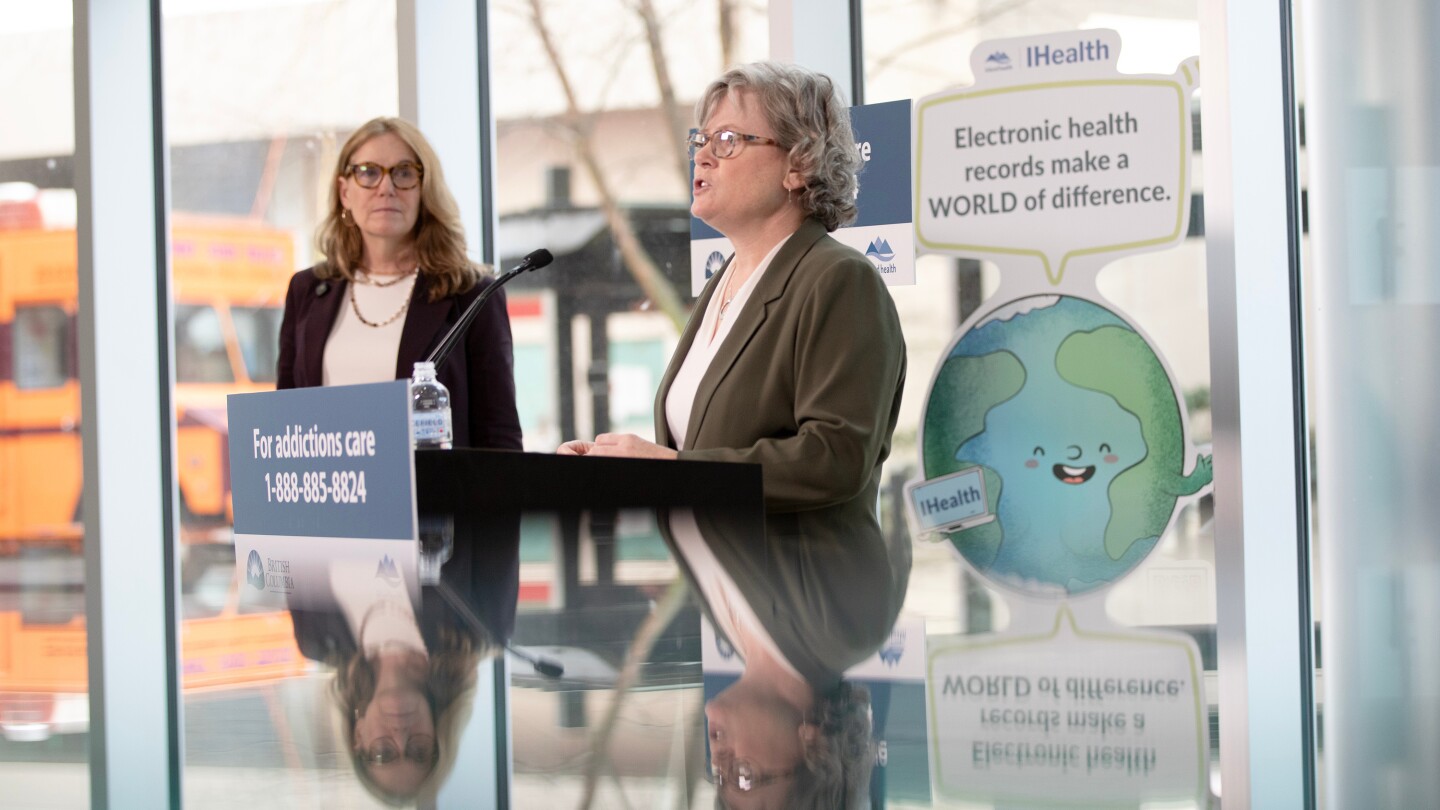
Health Minister Josie Osborne announced Wednesday that the province will not seek an extension of its agreement with Canada’s federal health agency, effectively ending the policy on January 31. The pilot program, which began in January 2023, allowed adults to possess small amounts of opioids, cocaine, methamphetamine and MDMA without criminal penalties.
“The goal was to make it easier for people to come forward and seek help, but it hasn’t delivered the results we hoped for,” Osborne stated. The program initially permitted possession of up to 2.5 grams of certain drugs but was later amended in 2024 to restrict possession to private homes, legal homeless shelters, and designated health facilities.
British Columbia’s retreat from drug decriminalization follows a similar reversal in Oregon, which ended its first-in-the-nation experiment with drug decriminalization earlier this year. Oregon voters had approved decriminalization in 2020, but mounting public concerns about open drug use and related crime led to a policy reversal.
The decision marks a significant shift in Canada’s approach to addressing its ongoing opioid crisis. British Columbia, particularly Vancouver, has been at the epicenter of Canada’s drug epidemic for years, with thousands of overdose deaths prompting authorities to try increasingly progressive harm-reduction strategies.
Public health experts have been divided on the effectiveness of decriminalization. Supporters argue that removing criminal penalties for drug possession reduces stigma and encourages people to seek treatment, while critics contend it enables addiction and increases public disorder.
The province’s experiment was conducted under a special exemption from Health Canada under the federal Controlled Drugs and Substances Act. This unique arrangement allowed British Columbia to test a more progressive approach than other Canadian provinces.
Instead of continuing with decriminalization, Osborne emphasized that the provincial government will now focus on “strengthening the approaches that are helping people get timely, appropriate care.”
“We are building a more complete and comprehensive system of mental health and addictions care in B.C., including prevention, treatment and recovery, harm reduction and aftercare,” she said in a statement.
This policy reversal comes amid intensifying debate about drug policy approaches across North America. While some jurisdictions continue to explore harm reduction strategies, others are returning to more enforcement-oriented approaches in response to public concerns.
Drug policy experts note that Portugal was the first country to decriminalize all drug consumption in 2001, a model that has been studied by policymakers worldwide. Portugal’s approach has been credited with reducing overdose deaths and HIV infections, though it differs significantly from North American implementations by emphasizing mandatory health assessments and treatment options.
British Columbia’s decision signals the challenges of implementing European-style drug policies in the North American context, where different healthcare systems, social supports, and cultural attitudes toward substance use exist.
The province now faces the complex task of transitioning away from decriminalization while still addressing its ongoing addiction and overdose crisis. Health authorities will need to balance enforcement with continued support for vulnerable populations who have become accustomed to the current policy framework.
As British Columbia shifts its approach, the impact on people who use drugs, law enforcement, and public health outcomes will be closely watched by other jurisdictions considering similar policy changes.
Fact Checker
Verify the accuracy of this article using The Disinformation Commission analysis and real-time sources.

16 Comments
The decision by British Columbia to discontinue its drug decriminalization pilot is certainly a significant development. While the intentions were good, the disappointing results highlight the challenges of implementing such policies. Substance abuse remains a persistent societal issue that requires nuanced, multifaceted solutions.
You make a fair point. Addressing substance abuse is complex, and policymakers have to carefully consider a range of evidence-based strategies that balance public health, safety, and community needs. It will be important for British Columbia to thoroughly analyze the lessons learned and explore alternative approaches going forward.
Interesting to see British Columbia ending their drug decriminalization pilot. While the intentions were good, it seems the results were disappointing. Substance abuse and treatment access are complex issues without easy solutions.
You’re right, these policy experiments often face challenges. It will be important to carefully analyze the lessons learned and explore alternative approaches to address the root causes of substance abuse.
This is a complex issue without easy answers. Decriminalization can be a controversial approach, with valid concerns on both sides. Curious to see if other provinces or countries will continue to experiment with similar policies.
Agreed, the debate around drug policy is nuanced. It will be important for policymakers to consider a range of evidence-based strategies to support public health and community wellbeing.
The decision by British Columbia to end its drug decriminalization pilot is an interesting development. While the intentions were good, the disappointing results highlight the complexity of these issues. Substance abuse remains a persistent societal challenge that requires nuanced, multifaceted solutions.
You make a fair point. Policymakers have to balance compassion, public safety, and pragmatism when addressing substance abuse. It will be important for British Columbia to carefully analyze the lessons learned and consider alternative evidence-based strategies going forward.
Drug policy is a sensitive and evolving area. While the intentions behind British Columbia’s pilot were laudable, it’s understandable they’re reconsidering the approach given the lack of desired outcomes. Substance abuse remains a major challenge.
You make a fair point. Policymakers have to balance compassion, public safety, and pragmatism when addressing these issues. It will be interesting to see what alternative solutions they explore going forward.
Ending the drug decriminalization pilot in British Columbia is certainly a noteworthy decision. While the initial goals were laudable, the lack of desired outcomes is understandable. Substance abuse is a complex, multifaceted issue that requires tailored, evidence-based solutions.
I agree, drug policy is a delicate balance. Policymakers have to weigh various considerations and continue exploring innovative approaches to support public health and community wellbeing. It will be interesting to see what alternative strategies British Columbia and other jurisdictions pursue.
Ending the drug decriminalization pilot in British Columbia is certainly a significant development. While the initial goals were admirable, it seems the practical realities on the ground didn’t align with the expected outcomes. Substance abuse is a persistent societal challenge.
You’re right, these types of policy experiments often face unforeseen hurdles. It will be important for lawmakers to carefully study the lessons learned and consider a range of evidence-based approaches to address the root causes of addiction and support community wellbeing.
Drug policy is a complex and sensitive topic. While British Columbia’s decriminalization pilot aimed to help people seek treatment, the lack of desired results is understandable. Substance abuse remains a major challenge that requires multifaceted solutions.
I agree, there are no easy answers when it comes to drug policy. Policymakers will need to carefully weigh the tradeoffs and continue exploring innovative, evidence-based approaches to support public health and community safety.