


Listen to the article
British Baker’s Critique of Mexican Bread Ignites Cultural Firestorm
A casual critique of Mexican bread culture by a British expatriate baker has spiraled into a nationwide debate about culinary identity, cultural respect, and the growing tensions surrounding foreign influence in Mexico City.
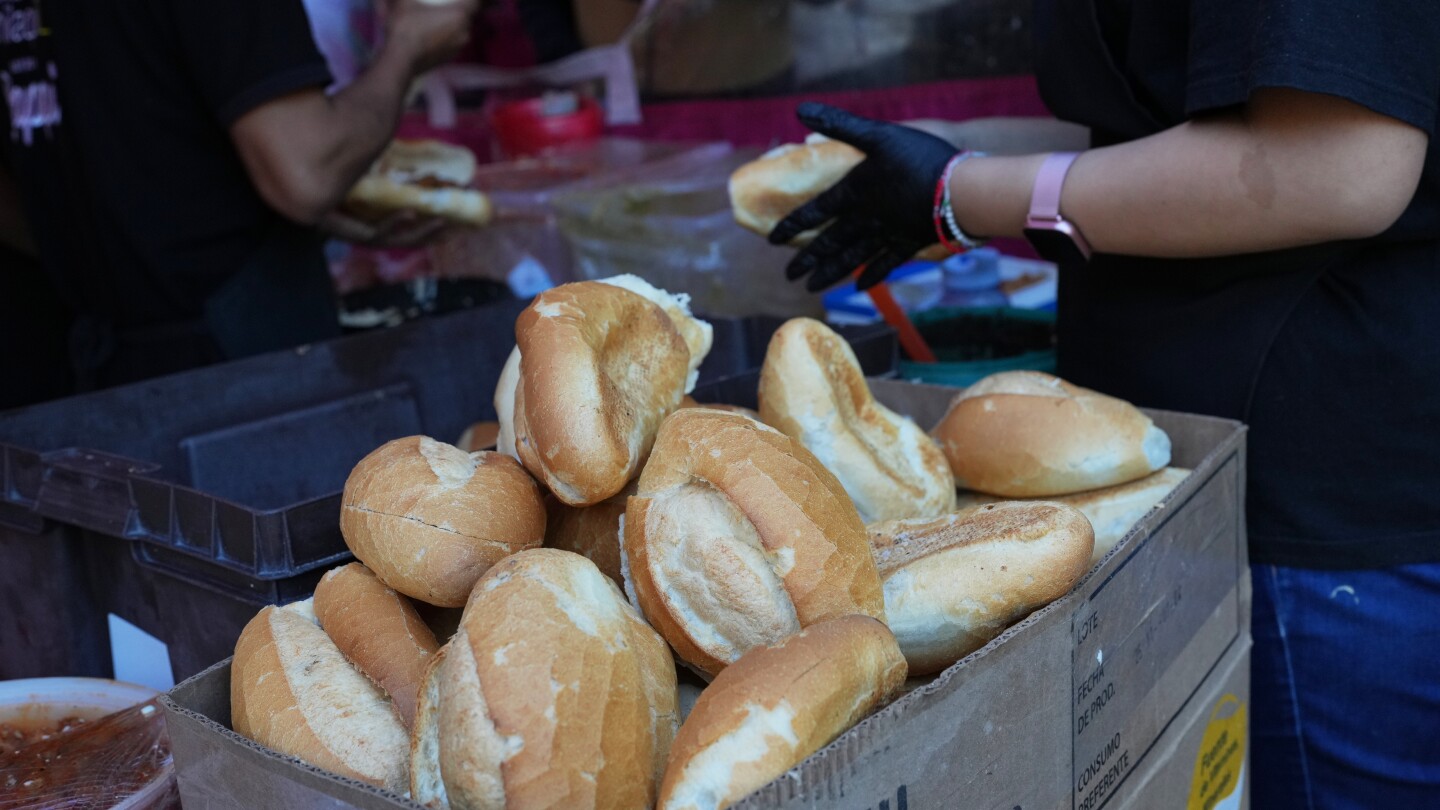
Richard Hart, co-founder of the upscale Green Rhino bakery in Mexico City and a respected figure in international baking circles, sparked outrage when his comments from a food podcast resurfaced online. Hart had claimed Mexicans “don’t really have much of a bread culture,” and criticized what he called “white, ugly rolls that are pretty cheap and industrially made” used for sandwiches.
The remarks quickly went viral across social media platforms, with Mexicans defending their rich bread traditions and condemning what many viewed as cultural dismissiveness.
“He offended the community of bakers in Mexico and all the people in Mexico who like bread, which is almost everyone,” said Daniela Delgado, a university student in Mexico City.
The controversy transcended a simple disagreement about baked goods, touching on deeper concerns about who has the authority to define Mexican culinary heritage. It also highlighted growing tensions over gentrification and the influx of American and European expatriates into Mexico City’s neighborhoods, which has driven up housing prices and transformed local businesses.
Social media exploded with passionate defenses of Mexican bread traditions. Users posted tributes to everyday staples like bolillos—crusty rolls used for tortas (Mexican sandwiches)—and conchas, the iconic sweet bread rolls found in neighborhood bakeries throughout the country. These simple foods are deeply embedded in daily Mexican life, crossing social and economic boundaries.
Though wheat bread was introduced during colonial times, Mexico has developed distinctive baking traditions that blend European techniques with local ingredients and flavors. Neighborhood bakeries remain vital community hubs in towns and cities across the country, serving as gathering places and cultural touchstones.
“Don’t mess with the bolillo,” warned one viral post on X (formerly Twitter), capturing the protective sentiment many Mexicans feel toward their food traditions.
As criticism mounted, Hart issued a public apology on Instagram. “I made a mistake,” he wrote. “I regret it deeply.” The baker acknowledged his comments were poorly phrased and failed to show proper respect for Mexico and its people. He recognized he hadn’t behaved appropriately as a “guest” in the country.
The Associated Press reached out to Green Rhino, but representatives declined to comment further.
Hart’s background includes work at prestigious bakeries in Europe and the United States. In Mexico City, he’s part of a growing artisanal bread scene catering primarily to affluent customers and expatriates seeking European-style baked goods—often at prices substantially higher than traditional neighborhood bakeries.
Many observers noted the incident reflects broader concerns about who receives recognition in Mexico’s food scene. Foreign chefs and restaurateurs frequently receive disproportionate media attention and prestige compared to local culinary talents, particularly those working with traditional foods.
“If you want to be part of Mexican culture by owning a restaurant or bakery, you have to educate yourself,” Delgado emphasized.
Some food professionals saw a silver lining in the controversy. Josué Martínez, a chef at the Mexican Culinary School, welcomed the debate for sparking deeper conversations about Mexican baking traditions.
Mexican bread has faced legitimate criticism domestically regarding industrialization and heavy use of refined ingredients. However, Martínez pointed out that these conversations carry different weight when led by Mexicans themselves rather than foreign entrepreneurs.
“It’s an opportunity to learn about the culture of Mexican breadmaking and pastry, to take pride in it, to highlight the richness of our ingredients, and to stop thinking that the so-called first world represents the ultimate standard,” Martínez said.
The incident highlights the complex interplay between globalization, cultural identity, and food traditions in an increasingly interconnected world, particularly in cities experiencing rapid demographic changes through tourism and migration.
Fact Checker
Verify the accuracy of this article using The Disinformation Commission analysis and real-time sources.

5 Comments
This incident highlights the need for greater cross-cultural understanding in the global food industry. Diverse bread traditions should be celebrated, not judged by narrow Western standards of quality. There is much to learn from Mexico’s rich baking heritage.
This debate over Mexican bread culture highlights the complexity of culinary identity and cultural respect. While critiques can spark important discussions, dismissing local traditions often misses the rich history and artisanry behind regional specialties.
Agreed. Bakers and food enthusiasts should approach cultural traditions with an open mind and appreciation for diversity, rather than imposing their own standards.
The strong social media response shows how deeply Mexicans value their bread heritage. Culinary identity is often tied to national pride, so foreign commentators should tread carefully when offering critiques, even if well-intentioned.
You make a good point. Maintaining an open dialogue and mutual respect is key, rather than dismissing local food cultures out of hand.