


Listen to the article
British Intelligence Protected Top IRA Spy Wanted for Murder, Report Reveals
UK security services shielded a high-level spy embedded within the Irish Republican Army, despite knowing he was wanted for murder, according to a damning report released Tuesday. The report further reveals that authorities continued to suppress information about the agent for decades after Northern Ireland’s violent conflict ended.
The findings focus on an agent codenamed “Stakeknife,” a senior IRA member who provided critical intelligence to British security services during “the Troubles.” The report confirms that Britain’s MI5 intelligence agency had far more extensive and earlier knowledge of Stakeknife’s criminal activities than previously acknowledged.
Widely believed to be Freddie Scappaticci, the spy was reportedly connected to the IRA’s infamous internal security unit, colloquially known as the “nutting squad.” This unit was responsible for interrogating, torturing, and killing individuals suspected of collaborating with British forces. Scappaticci allegedly participated in more than a dozen cases involving killings, torture, and abductions before his death in 2023 at age 77, having never faced charges for his actions during the conflict.
In a particularly troubling revelation, the report states that MI5 provided new material just last year showing that Stakeknife’s handlers twice flew him out of Northern Ireland for “holidays” when they knew he was wanted for conspiracy to murder and false imprisonment.
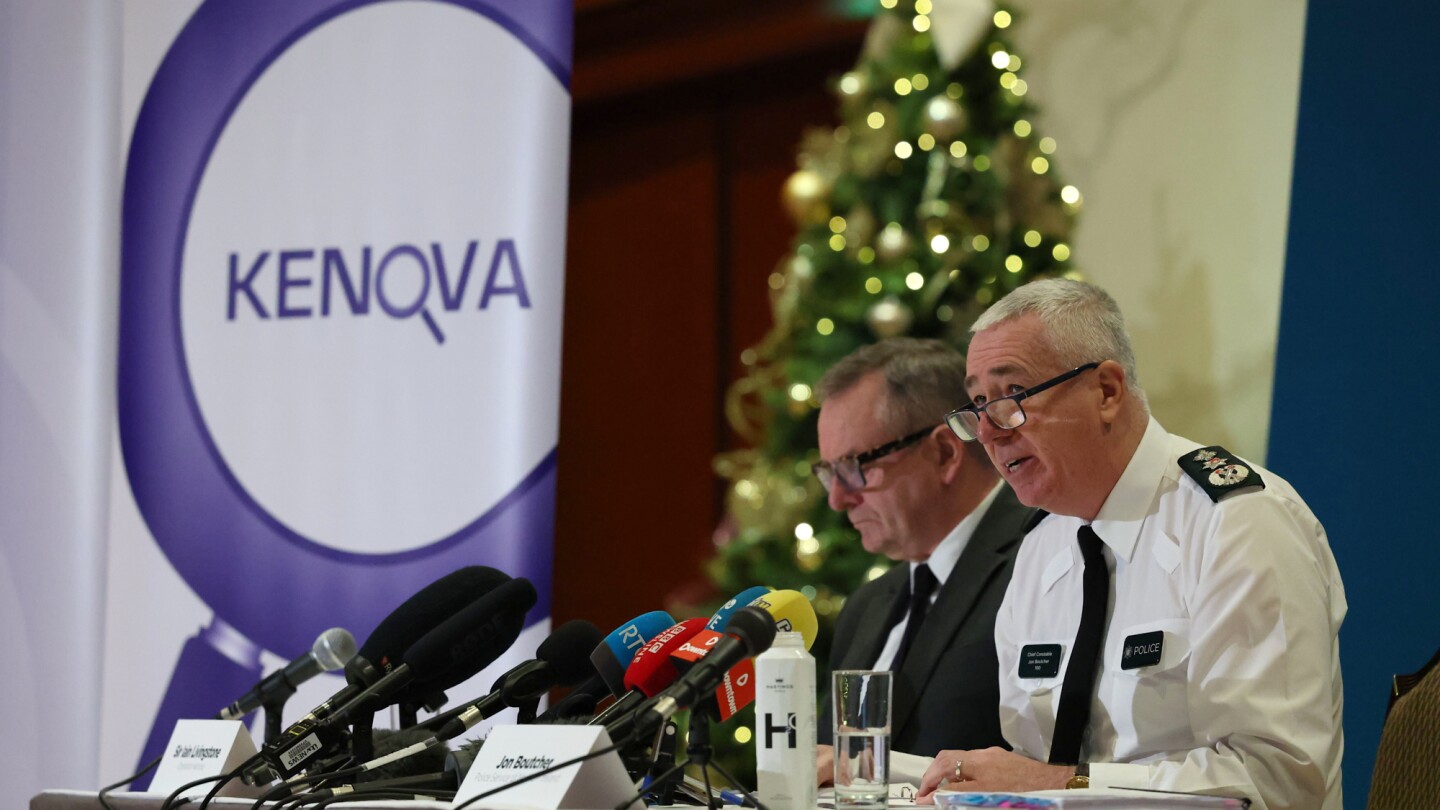
Jon Boutcher, chief constable of Northern Ireland’s police force, condemned MI5’s conduct, describing the late disclosure of these files as a “serious organizational failure” that undermined the trust of victims and their families.
“The organization’s role in running Stakeknife was far from peripheral, as had been claimed,” Boutcher stated. He acknowledged that while the spy provided valuable intelligence, he was simultaneously involved in “the most serious and inexcusable criminality while operating as an agent, including murders.”
Boutcher further criticized the government’s continued refusal to officially name the agent, calling the position “untenable and bordering on farce,” especially given widespread public knowledge of the agent’s likely identity.
MI5 Director General Ken McCallum expressed regret for the late discoveries but insisted no files were deliberately withheld. He offered sympathies to victims and families of those tortured or killed by the IRA during this period.
The extensive police investigation, known as Operation Kenova, began in 2016 and examined approximately 100 killings and abductions linked to the IRA’s internal security unit. The operation uncovered that Stakeknife’s recruitment began in the 1970s, with the agent remaining active into the 1990s. Investigators discovered more than 3,500 intelligence reports attributed to the spy.
The investigation determined that authorities frequently prioritized protecting their valuable intelligence asset over the safety of potential victims. An interim report published last year concluded that “murders that could and should have been prevented were allowed to take place with the knowledge of the security forces, and those responsible for murder were not brought to justice and were instead left free to re-offend.”
This case highlights the complex moral compromises made during the Northern Ireland conflict, which officially ended with the 1998 Good Friday Agreement. The peace accord largely concluded three decades of violence between Irish republican and British loyalist militants and UK security forces – a conflict that claimed 3,600 lives, wounded approximately 50,000, and left countless families bereaved.
The revelations come as Northern Ireland continues to grapple with the legacy of the Troubles, balancing demands for justice with the practicalities of maintaining the peace established 26 years ago. This report is likely to reopen painful wounds for many survivors and raise serious questions about intelligence oversight and accountability in conflict zones.
Fact Checker
Verify the accuracy of this article using The Disinformation Commission analysis and real-time sources.

6 Comments
The revelations about the British spy within the IRA are very troubling. Suppressing the truth about someone linked to killings and torture is a betrayal of the public trust. Hopefully this will prompt a thorough investigation and changes to ensure this never happens again.
This story highlights the complex and often murky world of intelligence operations. While I understand the desire to cultivate high-level informants, protecting someone linked to killings and torture goes too far. The public deserves to know the full truth here.
So the British government knew about this IRA spy’s criminal activities but covered it up for years? That’s really troubling and undermines public trust. I hope this report leads to a thorough investigation and answers about why these actions were taken.
I agree, this seems like a major breach of public trust. The government needs to be transparent about what happened and why they chose to protect this spy rather than pursue justice.
Wow, this is a disturbing revelation about the UK intelligence agency’s handling of this IRA spy. It raises serious questions about their priorities and the lengths they went to protect an agent linked to violent crimes. I wonder what the full truth is and if there will be any accountability.
Disturbing to see the UK security services shielding an IRA spy with such a violent history. This kind of cover-up erodes public confidence and raises serious ethical concerns. I hope this leads to much-needed reforms and accountability within the intelligence community.