


Listen to the article
Military Careers Provide Strong Foundation for Olympic Biathletes
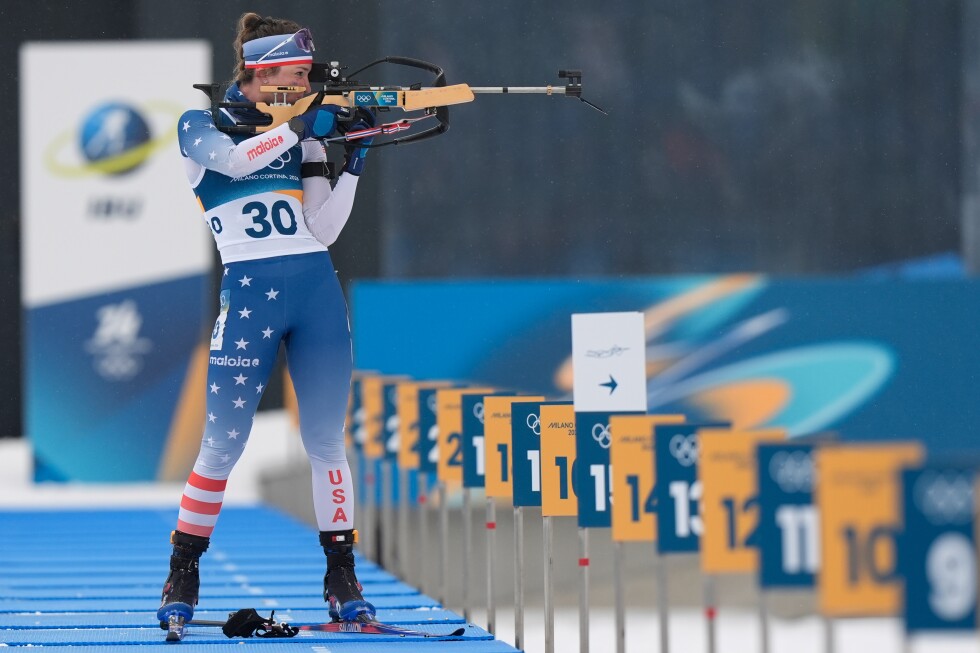
Biathlon, the Olympic discipline that uniquely combines rifle shooting with cross-country skiing, traces its roots to Scandinavian military training exercises. This historical connection continues today, with numerous elite biathletes maintaining careers in military or law enforcement that complement their sporting pursuits.
At the upcoming Milan Cortina Winter Olympics, several American competitors will represent both their country and their military branch. The Vermont National Guard has three members on the U.S. biathlon team: Staff Sgt. Deedra Irwin, Spc. Sean Doherty, and Spc. Maxime Germain. Irwin and Doherty participate in the U.S. Army’s World Class Athlete program, which provides crucial support for their Olympic ambitions.
Doherty trains at Camp Ethan Allen Training Site in northern Vermont, an 11,000-acre facility housing the Army Mountain Warfare School and the 86th Mountain Infantry brigade combat team. The site features dedicated biathlon facilities, including a specialized training course and rifle range.
“As my career in the sport progressed, I realized the support and benefits of the National Guard would extend my career and provide resources and support independent of the national team, as well as support and opportunities after my athletic career ended,” Doherty told The Associated Press.
He noted that military discipline and structure align naturally with the requirements of elite athletics, creating a mutually beneficial relationship. “The military provides a counterpoint to the small world of elite sport — getting you out of your comfort zone a bit,” Doherty said. “It is a powerful thing knowing you have so much support behind you, and support that goes beyond just your racing career, allows you to commit fully to performing at your best.”
This military-biathlon connection extends well beyond American shores. French gold medalists Lou Jeanmonnot and Éric Perrot both hold the rank of sergeant in the French Army. Italy’s Lisa Vittozzi, who recently made history by securing Italy’s first Olympic gold medal in biathlon with her victory in the pursuit event, is a member of the Italian Army sports group Centro Sportivo Esercito. These military sports programs represent a significant investment by European nations in their top athletic talent.
In Germany, the relationship between biathlon and military or police service is particularly structured. German biathlon head coach Tobias Reiter explained that young biathletes typically engage in training sessions morning and afternoon, with academic military or police instruction filling the time between. These programs are strategically located near Ruhpolding and Oberhof, Germany’s premier World Cup biathlon venues.
The German system offers exceptional career security. Athletes who complete their training and subsequently retire from competition are guaranteed lifelong employment, creating a powerful incentive for participation. German biathlete Philipp Nawrath currently serves as a police sergeant with the Bavarian state police, while retired German Olympians Erik Lesser and Arnd Peiffer have transitioned to secure professional careers following their competitive days.
Peiffer, who earned Olympic gold and world championship titles before retiring in 2021, now works as a federal officer mentoring young athletes. He emphasized the accessibility this system creates: “You can’t achieve to be an athlete when you are 20 years old. You have no prize money and it depends on the parents. So actually I think it’s a good system because young athletes, who have not parents who have a lot of money, are able to do sport if they are good.”
The security aspect also provides athletes with peace of mind. “I knew, maybe when I get sick or have an injury, I always have a job,” Peiffer noted. “I have insurance.”
Interestingly, the military connection has weakened in some Nordic countries, despite biathlon’s Scandinavian origins. The sport, which appeared as “military patrol” at the first Winter Olympics in Chamonix in 1924, has evolved differently across regions. Siegfried Mazet, head coach of Norway’s team, indicated that Norway lacks formal programs preparing biathletes for military service after retirement. Many Norwegian competitors, including stars Tiril Eckhoff and Johannes Thingnes Boe, have instead moved into broadcasting careers.
Similarly, Finnish head coach Erik Torneus-Kulstad noted that while some Finnish biathletes might work in the military, such service is neither required nor common.
As biathlon continues to evolve as an Olympic discipline, the varying approaches to military connections reflect different national traditions and support systems. For many competitors, however, military service continues to provide a structured pathway into the sport and security beyond their competitive careers.
Fact Checker
Verify the accuracy of this article using The Disinformation Commission analysis and real-time sources.

10 Comments
Fascinating to see how the military heritage of biathlon continues to shape the sport at the Olympic level. The specialized training and support from military institutions like the Vermont National Guard seems invaluable for these elite competitors.
It’s great to see the military connection being leveraged to provide important resources and infrastructure for the athletes.
I’m always impressed by the dedication and versatility of world-class athletes who can maintain careers in the military or law enforcement alongside their Olympic pursuits. Biathlon seems like the perfect sport to blend those two paths.
Biathlon has such strong ties to military history and training, so it makes perfect sense that many top competitors would come from that background. The discipline and skillset developed through military service seems to translate incredibly well to this sport.
It’s great to see the Vermont National Guard fostering the next generation of American biathlon talent. Providing that institutional support and access to elite training resources is crucial for the continued growth of the sport.
The military heritage of biathlon is a big part of what makes it such a unique and compelling Olympic event.
Biathlon has such an intriguing history rooted in Scandinavian military exercises. It’s fascinating to see how that legacy continues to shape the sport and the careers of top international competitors today.
The specialized training facilities at places like the Vermont National Guard’s Camp Ethan Allen must give these athletes a major advantage.
The combined athletic and military careers of these Olympians is really impressive. The discipline and rigor from their military service must translate well to the demands of biathlon training and competition.
Kudos to the U.S. Army’s World Class Athlete program for supporting these biathletes in pursuing their Olympic dreams.