


Listen to the article
Bangladeshis Prepare for Pivotal Election as Nation Seeks Democratic Reset
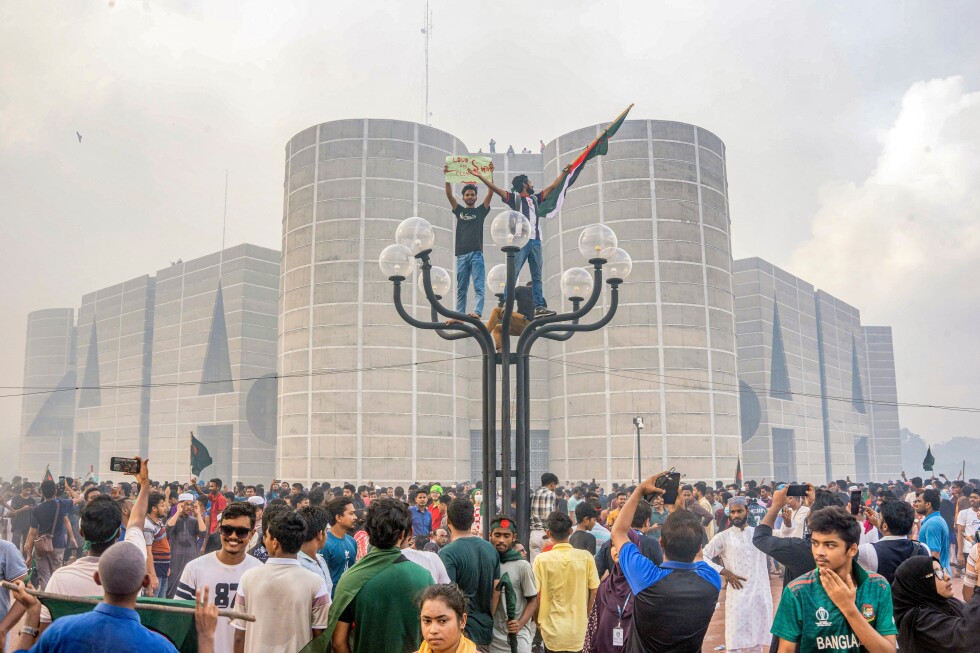
Bangladeshis will cast ballots on Thursday in a landmark national election, the first since mass protests ended former Prime Minister Sheikh Hasina’s 15-year rule. The vote represents a critical moment for the South Asian nation of 170 million as it attempts to reestablish democratic norms after years of disputed elections and shrinking political freedoms.
More than 127 million eligible voters will choose from among 1,981 candidates vying for seats in the country’s 350-member Parliament. The transition is being overseen by an interim government led by Nobel Peace Prize laureate Muhammad Yunus, who has pledged to ensure a fair electoral process.
Around 500 foreign observers, including delegations from the European Union and the Commonwealth, will monitor the proceedings to help guarantee transparency. For the first time, Bangladeshi citizens living abroad will be able to participate through a postal voting system, broadening electoral participation to include the nation’s substantial expatriate community.
Bangladesh’s legislature consists of 300 directly elected lawmakers, with an additional 50 seats reserved for women. Elections follow a first-past-the-post system, with each Parliament serving a five-year term.
The election will also include a referendum on political reforms that would introduce prime ministerial term limits, strengthen checks on executive power, and establish safeguards against the consolidation of parliamentary authority.
“The future of Bangladesh is in the hands of its citizens and elected leaders to ensure the country’s stability as a rights-respecting democracy,” said Catherine Cooper, staff attorney at the Robert & Ethel Kennedy Human Rights Center. She emphasized the importance of the newly-elected government prioritizing civic freedoms and protecting civil society, press independence, and political opposition.
This election will test whether the popular protest movement led primarily by young people can translate into sustainable democratic change. Nearly 5 million first-time voters will participate, highlighting the significant youth demographic that could shape the country’s political trajectory.
Bangladesh’s political landscape has historically been dominated by two rival dynasties. The Awami League, previously led by Sheikh Hasina (daughter of the country’s founding president), now faces the Bangladesh Nationalist Party (BNP), led by Tarique Rahman, son of former Prime Minister Khaleda Zia, who died in December.
With the Awami League banned from participating, the BNP has emerged as the front-runner. Rahman, who returned to Bangladesh in December after 17 years in self-exile, has campaigned on promises to rebuild democratic institutions, restore rule of law, and revive the economy.
Challenging the BNP is a broad 11-party coalition led by the Islamist Jamaat-e-Islami party, which is seeking to expand its political influence. Jamaat-e-Islami was banned under Hasina’s government but has gained prominence since her ouster. The alliance also includes the National Citizen Party, a new political formation created by leaders of the 2024 uprising.
This election marks the first without Hasina, who now lives in exile in India. She was sentenced to death in absentia last year by a special tribunal under the Yunus-led administration on charges related to crimes against humanity over the deaths of hundreds during the 2024 uprising. Hasina has denounced the proceedings as a “kangaroo court” and criticized the decision to exclude her party from the election.
During Hasina’s tenure, elections were widely criticized by opposition parties and human rights organizations as lacking credibility and fairness. Her government was accused of suppressing political opposition and limiting democratic freedoms.
A growing concern in Bangladesh is the increasing influence of hard-line religious groups, which has raised alarms about the rights and safety of women and religious minorities. Minority communities, particularly Hindus who comprise approximately 8% of the population in the Muslim-majority nation, have reported rising intimidation and violence.
There are concerns that the Islamist coalition could exploit these tensions to strengthen their political position. The treatment of religious minorities has become an important indicator of Bangladesh’s commitment to pluralism and equal rights for all citizens.
The election results will significantly impact Bangladesh’s domestic stability, which has been characterized by periods of military rule and fragile democratic structures since its independence from Pakistan in 1971. Whether this electoral process delivers genuine institutional reform or continues to support existing power dynamics will shape the country’s political landscape for years to come.
International observers view this election as a crucial test of Bangladesh’s democratic resilience and its ability to peacefully transfer power following a period of political upheaval. The outcome will have implications not only for domestic governance but also for regional relationships and Bangladesh’s standing in the international community.
Fact Checker
Verify the accuracy of this article using The Disinformation Commission analysis and real-time sources.

9 Comments
The presence of international observers is encouraging, as it can help validate the integrity of the proceedings. Transparency and trust in the system will be critical for this pivotal election.
The inclusion of expatriate Bangladeshis in the voting process is an interesting development that could broaden participation and give more citizens a voice. I’m curious to see how this impacts the results.
Agreed, the postal voting system for expats is an important step. It will be interesting to see how their votes sway the overall outcome.
After years of disputed elections, Bangladesh has a chance to take a step forward for democratic norms. I’m hopeful the nation can find a stable political path that respects minority rights and the rule of law.
This election will be a crucial test for Bangladesh’s democratic progress after years of political turmoil. Ensuring minority rights and a fair, transparent process will be key to establishing legitimacy and stability.
The transition overseen by Nobel laureate Muhammad Yunus gives me cautious optimism that this election can be a positive milestone for Bangladesh’s democratic development. We’ll be watching closely.
With over 1,900 candidates competing, this election certainly has no shortage of options for Bangladeshi voters. I hope the process remains peaceful and that the outcome is accepted by all sides.
That’s a huge number of candidates. Hopefully the electorate can make informed choices and the results reflect the will of the people.
This election represents an important inflection point for Bangladesh. Restoring faith in the democratic process will require inclusive, peaceful participation by all citizens and stakeholders.