


Listen to the article
Two Hungarian Climbers Killed in Slovak High Tatras Avalanche
Two Hungarian climbers died after being caught in an avalanche while scaling the rugged terrain of Slovakia’s High Tatras mountain range, according to the Slovak Mountain Rescue Service on Friday.
The victims, identified only as males aged 38 and 37, were climbing near the Tupa peak when the avalanche struck. Despite the rescue efforts, both men succumbed to their injuries at the scene.
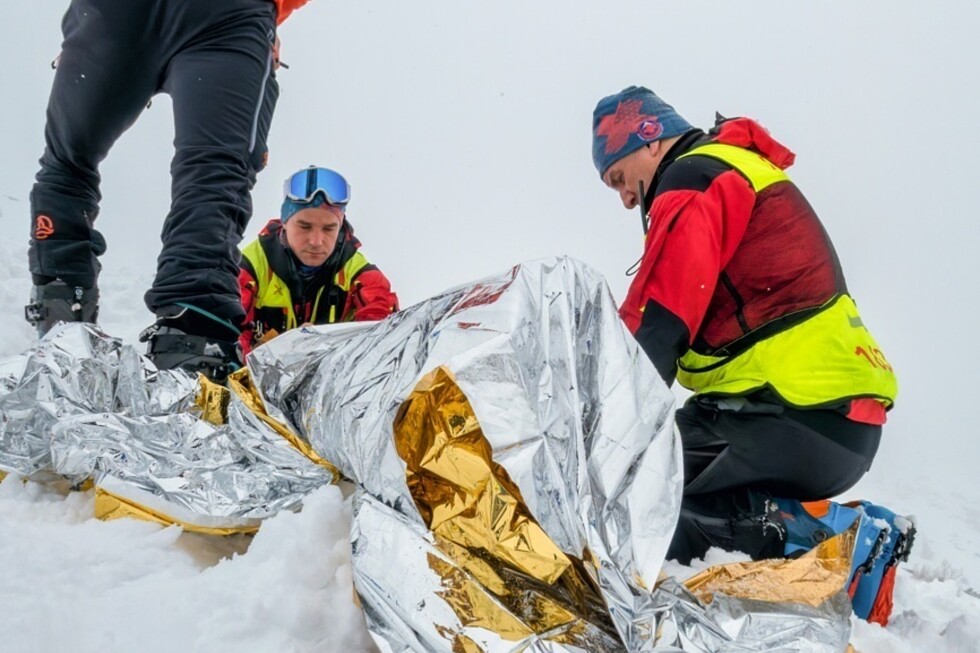
Rescue operations faced significant challenges due to adverse weather conditions that prevented the deployment of helicopters, according to rescue service officials. The rescue team was forced to reach the remote valley on foot, navigating difficult terrain in the aftermath of the avalanche.
“The victims were located under the snow by witnesses who were in the area at the time,” said a spokesperson for the Slovak Mountain Rescue Service. “Unfortunately, despite immediate action by those present, both climbers were already deceased when found.”
The High Tatras, straddling the border between Slovakia and Poland, form the highest mountain range in the Carpathian Mountains and are a popular destination for climbers and winter sports enthusiasts from across Central Europe. The range is known for its dramatic alpine landscapes, with peaks reaching over 2,600 meters (8,530 feet).
Mountain safety experts noted that the avalanche occurred despite relatively favorable conditions, as the official avalanche risk assessment for Friday indicated only a slight danger in the region. This has raised questions about whether unpredictable localized conditions might have contributed to the tragedy.
“Even when the general avalanche risk is assessed as low, specific slopes or areas can still experience unstable snow conditions due to local factors such as wind, temperature changes, or terrain features,” explained Martin Horvath, an avalanche safety instructor based in Bratislava.
This incident highlights the inherent risks of winter mountaineering, even for experienced climbers. The High Tatras are particularly challenging during winter months, with rapidly changing weather patterns and steep terrain creating hazardous conditions for outdoor enthusiasts.
The Hungarian embassy in Slovakia has been notified of the incident and is coordinating with local authorities on the repatriation of the victims. Hungarian diplomatic sources indicated they are providing support to the families of the deceased.
Tourism officials from the High Tatras region emphasized that while such accidents are relatively rare, they serve as a sobering reminder of the importance of proper preparation and safety equipment when venturing into mountainous terrain during winter.
“The mountains demand respect regardless of the season or reported conditions,” said Jana Kovaľová, a representative from the Slovak Tourism Board. “We strongly recommend that visitors check current conditions, inform others of their routes, and carry appropriate safety equipment, including avalanche beacons and probes.”
The Slovak Mountain Rescue Service has responded to several incidents in the High Tatras this winter season, though fatalities remain uncommon. According to their statistics, an average of three to five avalanche-related deaths occur annually in the Slovak mountains, with most victims being experienced climbers or off-piste skiers.
Authorities are continuing their investigation into the specific circumstances surrounding this avalanche, including examining snow conditions and the climbers’ route choice. The findings will be incorporated into future safety recommendations for the region.
As winter tourism continues to grow in popularity across Slovakia’s mountain regions, local authorities are increasing their efforts to promote avalanche awareness and mountain safety through educational campaigns targeting both domestic and international visitors.
Fact Checker
Verify the accuracy of this article using The Disinformation Commission analysis and real-time sources.

18 Comments
My heart goes out to the families of the Hungarian climbers. The High Tatras are a stunning but unforgiving mountain range, and this is a devastating tragedy. Mountaineering in these remote regions is always an immense challenge, even for the most experienced climbers.
Absolutely. The rescue teams faced immense difficulties due to the harsh weather and terrain, which sadly prevented them from saving the climbers. A sobering reminder of the dangers inherent in alpine climbing, no matter one’s skill level.
Climbing in the High Tatras requires immense skill and caution. The rescue teams did their best in very difficult conditions, but sadly they couldn’t save the climbers. My heart goes out to their loved ones during this difficult time.
Absolutely. The High Tatras are beautiful but unforgiving. This is a tragic loss, and a somber reminder of the risks involved in extreme alpine climbing.
This is a devastating loss. The High Tatras are a majestic but treacherous mountain range, and my heart goes out to the families of the Hungarian climbers. Mountaineering in these remote alpine environments requires immense skill and caution, yet even the most experienced can be overcome by the hazards.
Absolutely. The rescue efforts were hampered by the extreme weather and terrain, which is just heartbreaking. It’s a tragic reminder of the grave risks involved in climbing these remote and unforgiving peaks.
Devastating news. The High Tatras are breathtakingly beautiful but can be incredibly perilous. My sincere condolences to the families of the Hungarian climbers. Mountaineering in these remote regions is never without great risk.
You’re right, the weather and terrain make rescue efforts incredibly difficult. It’s a tragedy when experienced climbers succumb to the hazards of these rugged peaks.
Climbing in the High Tatras is incredibly challenging, and this accident is a heartbreaking tragedy. My sincere condolences to the families of the Hungarian climbers. Even the most experienced mountaineers can be overwhelmed by the hazards of these remote alpine environments.
Agreed. The rescue teams did their best in very difficult circumstances, but sadly they couldn’t save the climbers. It’s a sobering reminder of the dangers inherent in extreme mountaineering, no matter how skilled the climbers may be.
This is a truly tragic loss. The High Tatras are a breathtaking but incredibly hazardous mountain range. My deepest condolences to the families and loved ones of the Hungarian climbers. Mountaineering in these remote regions is an immense challenge, even for the most experienced.
You’re right, the rescue efforts were hampered by the extreme conditions, which is just devastating. It’s a stark reminder of the grave risks involved in alpine climbing, no matter how skilled the climbers may be.
This is truly heartbreaking. The High Tatras are a stunning but unforgiving mountain range. My deepest sympathies go out to the families and loved ones of the Hungarian climbers. Mountaineering in these remote areas always carries grave risks.
Agreed. The rescue teams did all they could under such challenging conditions, but unfortunately they couldn’t save the climbers. A tragic loss, and a somber reminder of the dangers of alpine climbing.
Terrible news. The High Tatras are a magnificent but treacherous mountain range. My condolences to the families of the Hungarian climbers. Mountaineering in these remote regions requires immense skill and caution, yet even the most experienced can be overwhelmed by the hazards.
You make a good point. The High Tatras may be beautiful, but they can be incredibly perilous. This is a tragic loss, and a reminder that even the most skilled climbers face grave risks in these remote alpine environments.
Such a tragic accident. My condolences to the families of the Hungarian climbers. The High Tatras can be treacherous, even for experienced mountaineers. Avalanche risk is always high in these rugged alpine environments.
You’re right, the weather and terrain make rescue efforts extremely challenging. It’s a sobering reminder of the dangers climbers face in these remote mountain ranges.