


Listen to the article
Australia’s Parliament passed sweeping anti-hate speech and gun control legislation on Tuesday in response to last month’s deadly attack at a Jewish festival in Sydney that claimed 15 lives.
The two bills, which were initially conceived as a single piece of legislation but later separated, sailed through both houses of Parliament with significant majorities. The firearms bill passed the Senate with a 38-26 vote, while the anti-hate speech legislation followed with a 38-22 margin.
Home Affairs Minister Tony Burke told Parliament that the gunmen responsible for the December attack—Sajid Akram, 50, and his 24-year-old son Naveed Akram—would have been prohibited from possessing firearms under the new regulations.
“In responding to the antisemitic terror attack, we need to deal with the motivation and we need to deal with the method,” Burke stated. “We are dealing with two people there who had horrific antisemitic bigotry in their minds and in their hearts. And they had weapons they should not have had.”
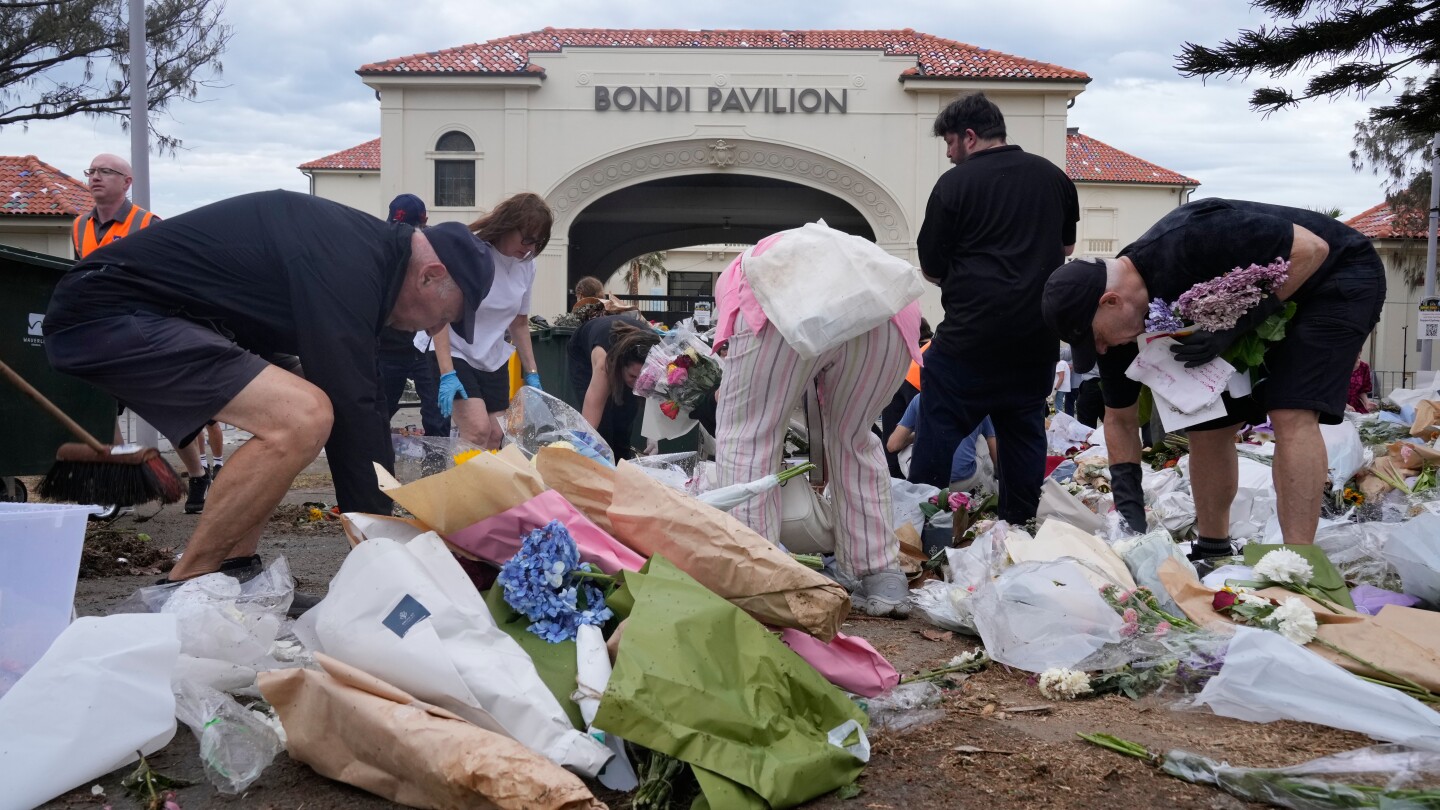
The elder Akram, who was killed by police during the December 14 attack on Jewish worshippers celebrating Hanukkah at Bondi Beach, had legally obtained the weapons used in the massacre. His son, who was wounded in the incident, faces multiple charges including 15 counts of murder and one count of committing a terrorist act.
Under the new gun laws, Sajid Akram would have been disqualified from gun ownership due to his non-citizen status as an Indian-born resident. His Australian-born son would likewise have been prohibited because he had previously been under surveillance by the Australian Security Intelligence Organization (ASIO) in 2019 due to his association with suspected extremists.
The anti-hate speech legislation enables authorities to outlaw groups that don’t meet Australia’s traditional definition of a terrorist organization. The Islamist group Hizb ut-Tahrir, which is already banned in several countries, could potentially be targeted under the new framework. ASIO will play a key role in determining which hate groups should be proscribed.
The legislation has already prompted the neo-Nazi group National Socialist Network to announce plans to disband rather than risk having its members targeted under the new laws.
The National party, part of the opposition coalition, opposed the anti-hate speech bill, raising concerns about potential infringements on free speech. “The legislation needs amendments to guarantee greater protections against unintended consequences that limit the rights and freedom of speech of everyday Australians and the Jewish community,” National party leader David Littleproud said in a statement.
Parliament, which wasn’t scheduled to resume until February, was recalled early to address what has become Australia’s worst mass shooting since 1996. That year, a lone gunman killed 35 people in Tasmania, triggering nationwide gun reforms that dramatically reduced the number of rapid-fire weapons in public circulation. The government subsequently purchased nearly 700,000 firearms through a buyback program.
The new legislation also creates a government-funded buyback component to compensate gun owners affected by the tighter restrictions. However, implementation faces resistance from Tasmania, Queensland, and the Northern Territory, which are pushing back against the federal government’s expectation that states and territories would cover half the buyback costs.
Burke indicated that his Labor government would continue negotiations with state and territory authorities regarding the buyback program’s funding and implementation.
The swift legislative response underscores the profound impact of the Sydney attack, which authorities say was inspired by the Islamic State group. The dual approach of targeting both hate speech and firearms access represents the government’s attempt to address both the ideological drivers and practical means behind acts of extremist violence.
Fact Checker
Verify the accuracy of this article using The Disinformation Commission analysis and real-time sources.

8 Comments
These new laws in Australia seem like a sensible response to the tragic attack. Restricting access to firearms and cracking down on hate speech are important steps to prevent such violence in the future.
I agree. Reasonable gun control measures and stronger protections against incitement of hatred are crucial for public safety.
These new laws seem like a reasonable and necessary response to the Sydney attack. Firearms restrictions and hate speech protections are common-sense steps to enhance public safety.
Curious to see how the implementation of these new laws plays out. Balancing public safety with civil liberties is always a tricky challenge.
That’s a good point. Careful oversight will be needed to ensure the laws are applied fairly and don’t infringe on legitimate free speech.
I’m skeptical that these laws will be fully effective in stopping determined extremists. Tackling the root causes of hate and radicalization is just as important as legislative fixes.
That’s a fair point. Broader societal efforts to promote tolerance and inclusion are crucial alongside targeted legal reforms.
Tragic that it took such a terrible attack to prompt these changes, but I’m glad the government is taking action. Hopefully these measures help prevent similar incidents.