


Listen to the article
Australian officials have moved swiftly to strengthen the country’s gun control laws following a deadly mass shooting at a Hanukkah celebration near Sydney’s iconic Bondi Beach that left at least 15 people dead. Prime Minister Anthony Albanese on Monday characterized the attack as an act of antisemitic terrorism that “struck at the heart of the nation.”
The proposed measures include limiting the number of firearms an individual can own, reviewing existing licenses, and restricting gun ownership to Australian citizens only. These changes would represent the most significant update to Australia’s gun laws since the landmark 1996 National Firearms Agreement, enacted after the Port Arthur massacre that claimed 35 lives.
“The government is prepared to take whatever action is necessary. Included in that is the need for tougher gun laws,” Albanese said during a press conference.
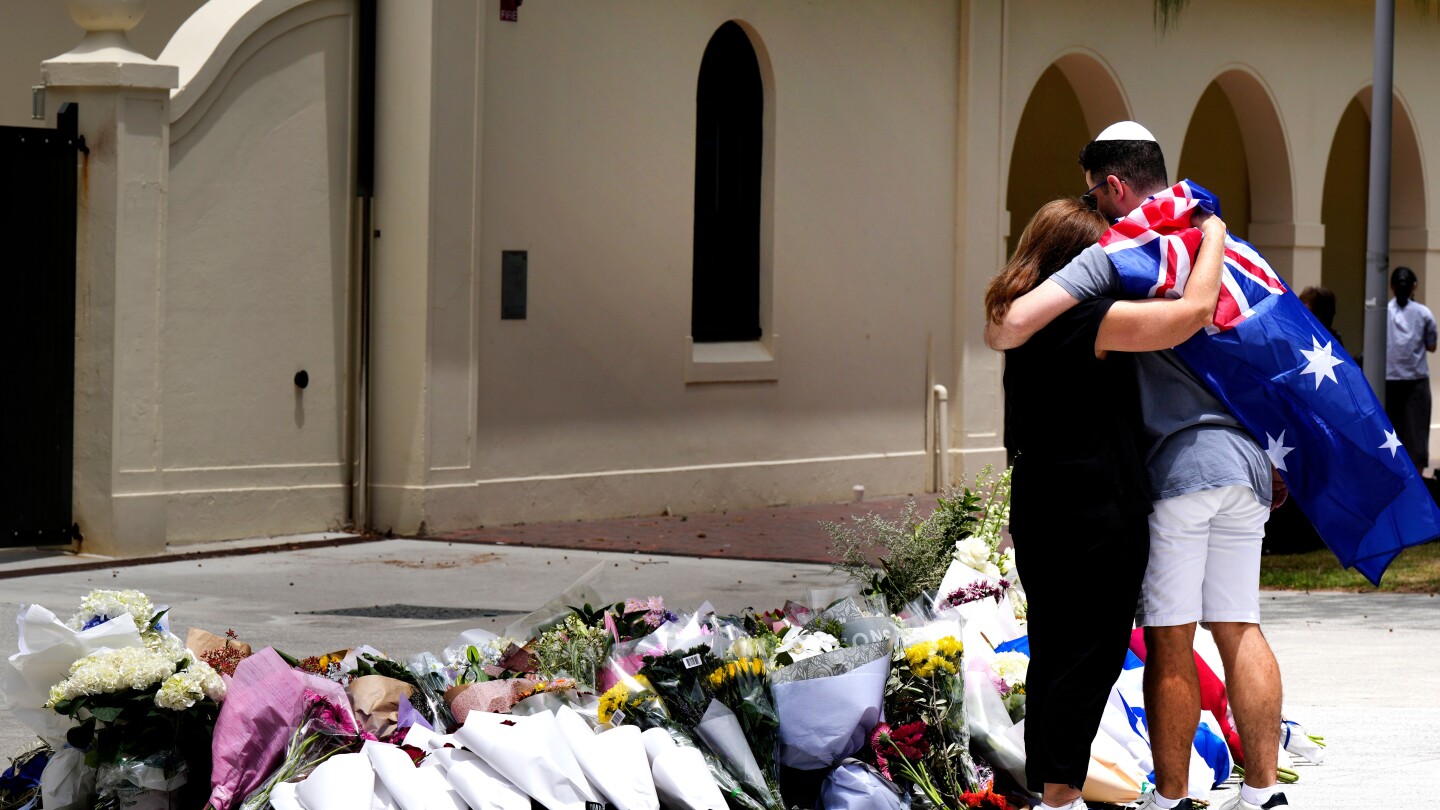
The violence erupted on a summer evening when thousands had gathered at Bondi Beach, including hundreds attending the “Chanukah by the Sea” event that featured food, face painting, and a petting zoo. Police shot two suspected gunmen—a 50-year-old father who died at the scene, and his 24-year-old son who remains in a critical condition. Authorities have not released their identities.
At least 38 people are being treated in hospitals, including two police officers. Among those killed were a 10-year-old girl, Rabbi Eli Schlanger who helped organize the event, and Holocaust survivor Alexander Kleytman. Israel’s Foreign Ministry confirmed that an Israeli citizen was among the victims, while French President Emmanuel Macron announced that French national Dan Elkayam had also lost his life.
In a remarkable act of courage caught on video, Ahmed al Ahmed, a 42-year-old fruit shop owner and father of two who immigrated from Syria in 2006, tackled and disarmed one of the attackers. Al Ahmed, who was shot in the shoulder during the confrontation, has a background in Syrian security forces according to his family and underwent surgery on Monday.
The attack has raised serious questions about Australia’s intelligence capabilities. Albanese confirmed that the Australian Security Intelligence Organization had investigated the younger suspect for six months in 2019 for his connections to a Sydney-based Islamic State group cell but determined there was “no indication of any ongoing threat.”
More troubling revelations emerged when authorities disclosed that the older suspect had legally obtained six firearms over the past decade despite being a permanent resident rather than a citizen. He had arrived in Australia in 1998 on a student visa and gained residency after marrying an Australian woman.
Chris Minns, premier of New South Wales, questioned the necessity of civilian ownership of powerful weapons: “If you’re not a farmer, you’re not involved in agriculture, why do you need these massive weapons that put the public in danger and make life difficult for New South Wales Police?”
The massacre has intensified criticism from Jewish community leaders who argue the government has not done enough to address rising antisemitism. Australia has experienced a wave of antisemitic incidents over the past year, with synagogues and cars torched, businesses vandalized, and individuals attacked in Sydney and Melbourne, home to most of Australia’s approximately 117,000 Jewish citizens.
“There’s been a heap of inaction,” said Lawrence Stand, a Sydney resident whose 12-year-old daughter was attending a bar mitzvah near the attack site.
Alex Ryvchin, spokesperson for the Australian Council of Executive Jewry, echoed these concerns: “I think the federal government has made a number of missteps on antisemitism. When an attack such as what we saw yesterday takes place, the paramount duty of government is the protection of its citizens, so there’s been an immense failure.”
The Australian government has implemented various measures to combat antisemitism since October 7, 2023, including appointing a special envoy, strengthening laws, and enhancing security for Jewish institutions. In August, Albanese cut diplomatic ties with Iran after blaming Tehran for two previous antisemitic attacks, though authorities have not suggested any Iranian connection to Sunday’s massacre.
Israeli Prime Minister Benjamin Netanyahu claimed that Australia’s recognition of a Palestinian state “pours fuel on the antisemitic fire,” saying he had previously warned Australian leaders about failing to take action against antisemitism.
Fact Checker
Verify the accuracy of this article using The Disinformation Commission analysis and real-time sources.

14 Comments
Tragic incident. Strengthening gun control laws seems like the right response to prevent such senseless violence and protect public safety. I hope the proposed measures can strike the right balance between security and personal freedoms.
Agreed, a measured approach to gun reform is needed. Reviewing licenses and restricting ownership to citizens are sensible steps.
This is a devastating attack that strikes at the heart of the Jewish community. My condolences to the victims and their families. Tackling antisemitism and improving security for religious/cultural events should also be priorities.
Absolutely, protecting places of worship and community gatherings from hate crimes is critical. Comprehensive security measures will be key.
Tightening gun laws is a reasonable response, but the underlying causes of such violence must also be addressed. Tackling antisemitism, mental health issues, and social divisions should be part of a holistic approach.
Agreed, gun laws are just one piece of the puzzle. Addressing the root societal problems that lead to these attacks is essential for long-term solutions.
The proposed gun law changes seem prudent given the scale of this tragedy. I hope the government can implement them swiftly and effectively to improve public safety. Curious to see the details and how they balance various stakeholder interests.
Good point. The specifics will be important, as overly restrictive laws could face pushback. Striking the right compromise will be crucial.
The proposed gun law changes seem like a prudent and necessary step to enhance public safety. However, I wonder if there are any concerns around unintended consequences or impacts on legitimate gun owners. Curious to see how the government navigates these nuances.
Valid concerns. The government will need to carefully balance public safety with individual rights and interests of lawful gun owners. Transparent stakeholder engagement will be key.
This is a tragic and senseless loss of life. While gun law reforms are important, I hope the government also invests in community-based programs to promote tolerance, diversity, and conflict resolution skills. A multifaceted strategy is needed.
Good point. Strengthening social cohesion and resilience at the grassroots level can complement legislative changes to create a more secure and inclusive society.
This is a heartbreaking incident. Strengthening gun laws is a reasonable response, but I hope the government also invests in deradicalization programs, interfaith dialogue, and other initiatives to address the root causes of hate and violence. A comprehensive approach is needed.
Agreed, a holistic strategy targeting both access to firearms and the underlying social/ideological drivers of extremism is crucial. Tackling this complex challenge will require sustained, multi-pronged efforts.