


Listen to the article
Australia’s landmark social media ban for under-16s takes effect Wednesday, implementing one of the world’s strictest online safety measures for young people. The Online Safety Amendment (Social Media Minimum Age) Act, passed in November 2024, prohibits anyone under 16 from holding accounts on major platforms.
“From December 10, if you’re under 16, you’re no longer allowed to have a social media account,” Australian Prime Minister Anthony Albanese announced in a video statement shown in classrooms nationwide. “You’ll know better than anyone what it’s like growing up with algorithms, endless feeds and the pressure that can come with that.”
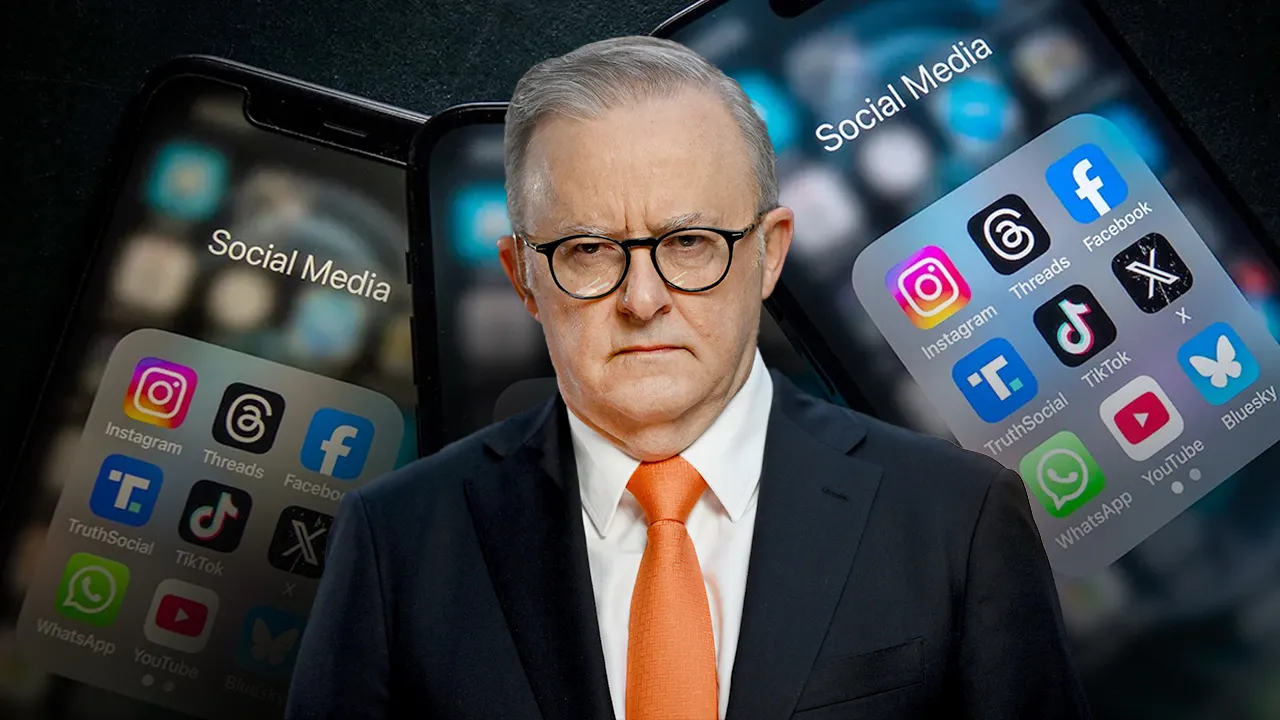
The sweeping ban affects nine major platforms: Facebook, Instagram, Kick, Reddit, Snapchat, Threads, TikTok, Twitch, X (formerly Twitter), and YouTube. These services collectively represent the most popular social networks used by Australian youth.
Australia’s eSafety Commissioner, the independent national regulator for online safety, has issued detailed guidance requiring platforms to take “reasonable steps” to enforce the ban. These include implementing age verification systems, identifying and removing existing underage users, and preventing them from re-registering through methods like VPN detection.
Platforms must also provide clear review pathways for affected users, including instructions on how to download personal data before accounts are deactivated and resources for those experiencing distress due to losing access.
Companies failing to comply with the new regulations face severe financial penalties of up to 49.5 million Australian dollars (approximately $32 million USD), reflecting the government’s determination to enforce the measure despite implementation challenges.
“We’ve said very clearly that this won’t be perfect. But it’s the right thing to do for society to express its views, its judgment about what is appropriate,” Albanese acknowledged. “And there is no doubt when we look at the rise in mental health issues faced by young people, when we look at the social harm which is being caused by social media, that we want kids to have the opportunity to enjoy their childhood, and we want parents to be empowered as well.”
The legislation represents a significant shift in how governments approach social media regulation. While most countries have relied on platform-specific age restrictions (typically 13 years) with minimal enforcement, Australia has taken a more aggressive stance by creating a nationally enforced minimum age with substantial penalties for non-compliance.
The ban comes amid growing global concern about social media’s impact on youth mental health. Recent studies have linked excessive platform use with increased rates of depression, anxiety, and body image issues among adolescents. Australia’s approach positions it at the forefront of a potential regulatory trend, with other nations closely monitoring the implementation and effectiveness of this pioneering legislation.
Tech industry representatives have expressed concerns about practical enforcement challenges, including the reliability of age verification technology and the potential for determined young users to circumvent restrictions. Privacy advocates have also raised questions about how platforms will verify ages without collecting excessive personal data.
Educational institutions across Australia are preparing for the transition by providing guidance to students and families. Schools are developing digital literacy programs to help young people navigate the new restrictions while still developing necessary online skills.
The eSafety Commissioner has emphasized that enforcement will be phased, with initial focus on removing existing underage accounts before moving to prevent new registrations. The regulatory body expects platforms to demonstrate good-faith efforts toward compliance rather than achieving perfect enforcement immediately.
As the ban takes effect, Australia establishes itself as a testing ground for aggressive social media regulation aimed at protecting youth—a model that could influence policy decisions worldwide if successful in reducing social media’s negative impacts on young people’s wellbeing.
Fact Checker
Verify the accuracy of this article using The Disinformation Commission analysis and real-time sources.

10 Comments
While the intent is noble, banning under-16s from social media seems like an overly broad approach. A more targeted strategy focusing on parental controls and digital literacy could be more effective.
This raises interesting questions about children’s digital rights and the role of government in regulating online spaces.
Australia is taking a pioneering stance on this issue. It will be important to closely monitor the impacts, both intended and unintended, of this new social media age limit.
I wonder if other countries will follow suit with similar measures to protect young people online.
The social media addiction and mental health concerns among youth are well-documented. This law could help reduce those risks, though enforcing it may prove difficult.
I wonder how this will impact the ability of young Australians to stay connected with peers and access information online.
This seems like a bold move by Australia to protect young people from the potential harms of social media. While it may be challenging to enforce, the intent to prioritize child safety is admirable.
I’m curious to see how this ban will be implemented and if it can effectively limit underage access to major social platforms.
This law demonstrates Australia’s commitment to child online safety, but it remains to be seen how effectively it can be implemented and enforced across major social platforms.
Curious to hear perspectives from parents, educators, and young people on the potential benefits and drawbacks of this new legislation.