


Listen to the article
Australia Attack Renews Warnings of Global Jihadist Resurgence
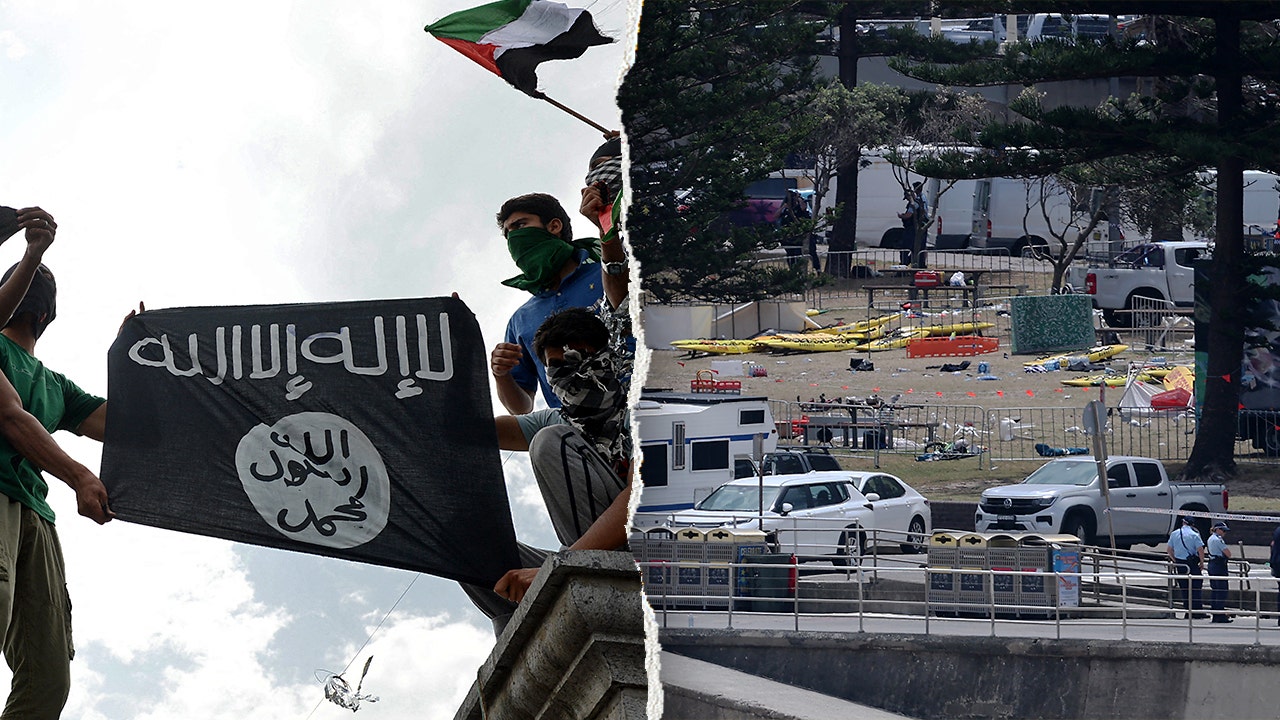
The recent terror attack in Australia has reignited urgent concerns from intelligence officials and counterterrorism experts that global jihadist networks are gaining strength, even as Western governments continue to portray groups like ISIS as weakened or defeated.
“We’ve always been quick to declare terrorist organizations defeated and insignificant, and that couldn’t be further from the truth,” said Bill Roggio, a senior fellow at the Foundation for Defense of Democracies and one of the longest-running trackers of jihadist movements.
Roggio, who also manages The Long War Journal, emphasized that ISIS remains far from dismantled despite losing its territorial “caliphate.” “This attack in Australia is absolute proof that the Islamic State hasn’t been defeated,” he told Fox News Digital. “These groups are still able to recruit and indoctrinate people. They still have safe havens.”
The persistence of ISIS is particularly evident in Afghanistan, where United Nations reports indicate the presence of approximately 2,000 fighters. “That’s not what a defeated group looks like,” Roggio noted.
Israeli security officials say the attack in Australia fits into a broader global pattern. Over the past year, they report that terrorist plots have been attempted or disrupted across Europe, North America, and elsewhere, indicating an escalating jihadist resurgence rather than isolated incidents.
Corri Zoli, a research associate at Syracuse University’s Forensic and National Security Sciences Institute, warned that governments cannot ignore these indicators. “Governments are on notice that there is a steep rise in the terrorist targeting of religious minorities, particularly those from the Jewish faith community and Israelis worldwide,” she said. This trend has accelerated significantly following the October 7, 2023, Hamas attack that killed more than 1,200 people in Israel.
Roggio agrees that the Israel-Hamas conflict has intensified radicalization globally. “With Israel’s war against Hamas, it’s given new life for people to attack Jews worldwide,” he said. “It’s a further reason to radicalize.”
Intelligence officials report that extremist actors across ideological lines are leveraging the conflict to inspire supporters, amplify propaganda, and justify attacks in Western countries. These terrorist organizations are adapting quickly, combining digital incitement with on-the-ground recruitment networks.
“Analysts at West Point’s Combating Terrorism Center warn these networks are probing for openings in Europe, Australia, Canada and the United States, exploiting ideological ecosystems that can radicalize individuals far from traditional battlefields,” Zoli explained.
Australian authorities had reportedly been monitoring the attacker’s family before the incident. Zoli noted that the perpetrator “was known to Australian officials for his extremism since 2019” and maintained associations with extremist imam Wissam Haddad and Isaac El Matari, a self-proclaimed Australian ISIS commander currently serving a prison sentence.
Roggio rejects the “lone wolf” label often applied to such attackers. “I disagree with that whole ‘lone wolf’ terminology,” he said, arguing that even when attackers act alone, they remain connected to extremist ecosystems that provide ideological motivation, guidance, and validation.
A senior intelligence source offered an even starker assessment of the evolving threat landscape: “Today is ISIS, tomorrow is Iran.”
Roggio stressed that the threat extends beyond ISIS to include a network of interconnected jihadist actors. “This isn’t just the Islamic State. It’s al Qaeda,” he said. “We were quick to declare al Qaeda defeated in Afghanistan. You read the U.N. reports, they’re still there. They’re in bed with the Taliban. These groups aren’t defeated. They’re just operating differently.”
Morgan Murphy, a national security expert and former Trump White House official, highlighted concerns about immigration policies. “Because of an unprecedented influx of unvetted, Islamist, fighting-age male migrants into both Europe and the United States, the West now faces a threat from within,” he said, describing it as “a national security disaster created by the shortsighted policies” of Western leaders.
The Australia attack serves as a sobering reminder that terrorist threats continue to evolve rather than disappear. As Roggio concluded, “Just because we want to declare the war against terror over doesn’t mean it’s over. We wanted to end our involvement in these wars, but the enemy gets a vote. That’s what we just saw in Australia.”
Fact Checker
Verify the accuracy of this article using The Disinformation Commission analysis and real-time sources.

9 Comments
The terror attack in Australia is a sobering reminder that the threat of jihadist extremism remains. Even as we make progress against groups like ISIS, they continue to adapt and find new ways to sow chaos. Continued international cooperation and intelligence sharing will be crucial to stay ahead of this evolving challenge.
The terror attack in Australia is a stark reminder that the global jihadist threat has not been extinguished. While ISIS has suffered setbacks, they clearly retain the ability to inspire and coordinate attacks. Sustained counterterrorism efforts, both at home and abroad, will be essential going forward.
Worrying to see the persistence of ISIS, even after the loss of their caliphate. The presence of 2,000 fighters in Afghanistan is a clear sign that they still pose a serious threat. Complacency is the enemy here – we must remain vigilant and committed to rooting out these extremist networks.
This attack in Australia is a worrying sign that jihadist groups like ISIS remain a serious threat, despite claims of their defeat. The persistence of their networks, even after losing their territorial caliphate, highlights the need for sustained, adaptable counterterrorism strategies on a global scale.
Concerning news about the terror attack in Australia. It’s a sobering reminder that jihadist groups like ISIS remain a real threat, despite claims of defeat. We must remain vigilant and continue coordinating global counterterrorism efforts to address this ongoing challenge.
The news about ISIS maintaining a presence of around 2,000 fighters in Afghanistan is concerning. It underscores the challenges in fully dismantling such extremist groups, even after significant losses. Continued vigilance and multilateral cooperation will be key to addressing this ongoing threat.
The persistence of ISIS in Afghanistan is quite troubling. Even if they’ve lost their territorial caliphate, it’s clear they still have the ability to recruit and carry out attacks. Continued pressure and intelligence sharing will be crucial to dismantling these networks for good.
You’re right, the presence of around 2,000 ISIS fighters in Afghanistan is quite concerning. It shows how difficult it is to truly eradicate such extremist groups, even after major setbacks. Sustained, multilateral efforts will be needed to further degrade their capabilities.
This news raises valid questions about the potential resurgence of ISIS and other global jihadist groups. While we’ve seen them lose territory, they clearly maintain the ability to inspire and coordinate attacks. Ongoing vigilance and adaptable counterterrorism strategies will be essential.