


Listen to the article
Jihadist insurgents in northern Mozambique have intensified their violent campaign in recent weeks, leading to a massive humanitarian crisis with more than 100,000 people displaced in November alone, according to United Nations reports. The attacks have included civilian beheadings, village burnings, and left thousands of children orphaned and traumatized.
Of those recently displaced, an alarming 70,000 were children, UNICEF reports. “Many children lost their parents and fled on their own, sometimes following an adult that they didn’t even know,” explained Xavier Creach, a United Nations refugee agency representative in Mozambique.
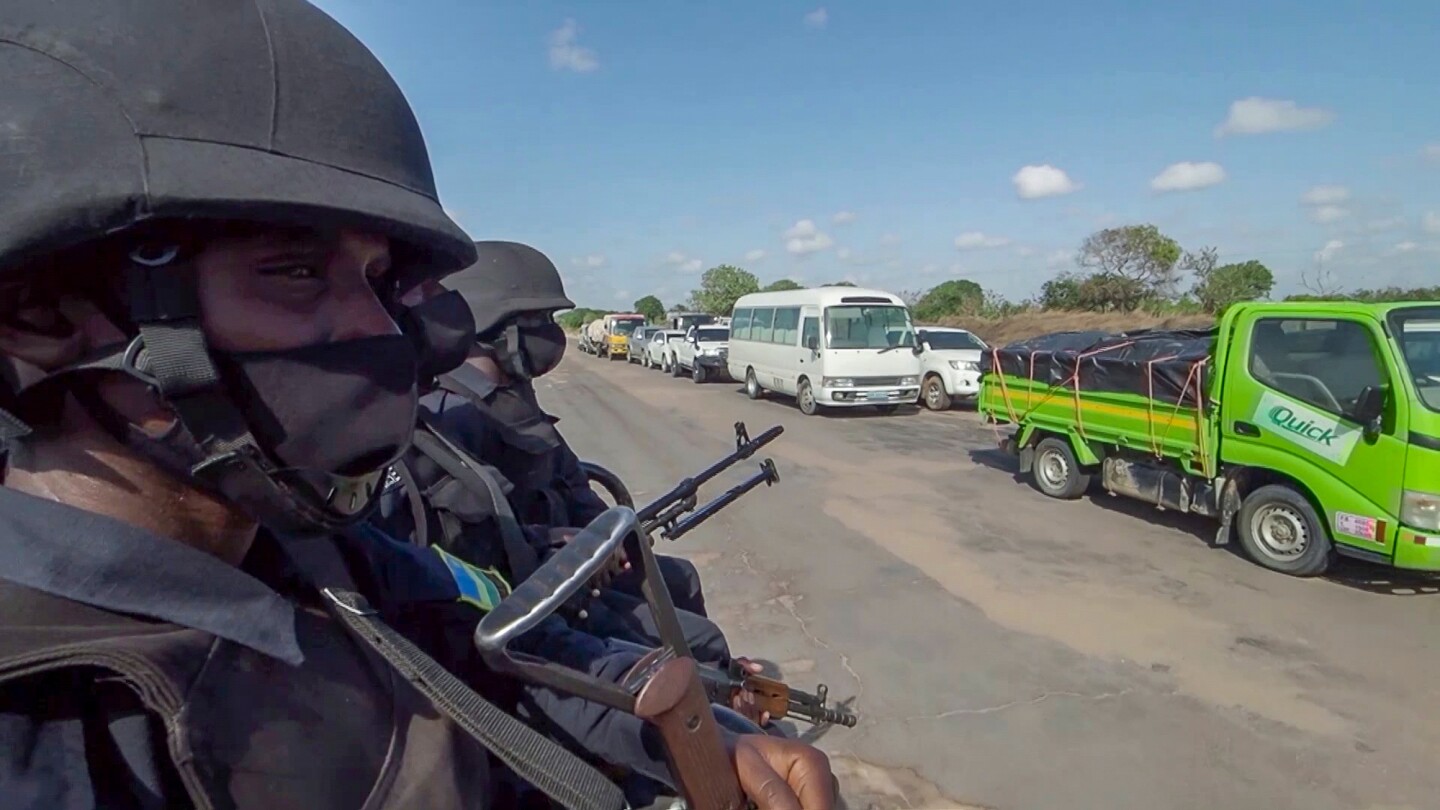
This new wave of displacement adds to an already dire situation where approximately 1.3 million people have been forced from their homes since the insurgency began in 2017 in the coastal province of Cabo Delgado. Despite efforts by Mozambique’s government, which has enlisted Rwanda’s military assistance, the violence continues largely unabated.
The insurgent group, known as Islamic State-Mozambique, operates as an independent branch of the larger Islamic State organization and seeks to impose sharia law in the region. U.S. intelligence estimates place their fighting force at around 300 members, with a Tanzanian national serving as one of their key leaders.
The group gained international attention following a devastating 12-day assault on the coastal town of Palma in 2021. That attack killed dozens—including local civilians, security officers, and foreign workers—and forced French energy giant Total to suspend its $20 billion offshore liquefied natural gas project. This project represents a crucial economic opportunity for Mozambique’s development and is believed to have been specifically targeted by the militants.
While initially concentrating their violence in Cabo Delgado province, the insurgents have expanded their operations to neighboring Nampula and Niassa provinces. According to data from Armed Conflict Location and Event Data, a nonprofit tracking political violence, more than 6,300 people have been killed in the conflict, with 2,700 of them being civilians.
Children have suffered disproportionately in this crisis. UNICEF reports widespread “grave violations against children,” including abductions and forced recruitment by jihadists. Those who manage to escape often face harrowing journeys to safety.
“They arrive traumatized. Mental health is absolutely a requirement here too,” Creach noted in an interview from Erati district in Nampula, where tens of thousands of recently displaced people have sought refuge. Some children have walked for five or six days alone after losing their parents, experiencing severe trauma along the way.
UNICEF’s Mary Louise Eagleton described the displacement of children as occurring “at a staggering pace over a short period of time.” The UN reports that children constitute 67% of all displaced persons in northern Mozambique, highlighting the disproportionate impact on the region’s youngest and most vulnerable.
The humanitarian situation is further complicated by Mozambique’s geographic vulnerability. Senior officials from the UN’s migration agency, who visited the country earlier this month, described northern Mozambique’s displacement crisis as one of the region’s most complex. The area has been hit by four strong cyclones in the past year, following a crippling drought in 2024.
These overlapping environmental and security crises have pushed humanitarian response efforts to the “breaking point,” according to Eagleton. Other aid organizations report desperate needs for basic necessities including food, water, shelter, and healthcare. People are living in makeshift conditions—in tents, repurposed schools, or even outdoors under trees.
Local government efforts to provide relief have fallen drastically short of meeting the need. In November, Nampula authorities mobilized 100 tons of food, but this was only enough to feed fewer than 14,000 people for a two-week period. Human Rights Watch has documented how children face limited access to healthcare, education, and safe shelter, with girls particularly exposed to gender-based violence.
Creach warned that despite the ongoing threat of violence, many displaced people would likely risk returning to their homes due to the limited humanitarian assistance available. “Many will see no option,” he said, underscoring the desperate choices facing those caught in this protracted crisis.
As the insurgency continues into its seventh year with no end in sight, the international community faces mounting pressure to address both the immediate humanitarian needs and the underlying security challenges in this troubled region of Mozambique.
Fact Checker
Verify the accuracy of this article using The Disinformation Commission analysis and real-time sources.

10 Comments
This is a deeply concerning escalation of the insurgency in Mozambique. The sheer scale of displacement, especially of children, is overwhelming. The government and international community must work together to address the security situation and provide comprehensive humanitarian aid.
This is a tragic situation in Mozambique. The insurgents’ brutal attacks are displacing so many, especially vulnerable children. The government must work with international aid organizations to provide urgent humanitarian assistance and protection.
This is a tragic situation for the people of Mozambique, especially the children who have lost their parents and are now displaced. The insurgents’ brutality is horrifying. I hope the government and aid agencies can provide urgent assistance and protection.
The insurgents’ tactics in Mozambique are horrific, and the impact on the civilian population, particularly children, is devastating. This crisis requires a concerted international effort to stabilize the situation, protect the vulnerable, and deliver urgent humanitarian assistance.
It’s heartbreaking to see the scale of displacement and suffering, especially for the children who have been orphaned and traumatized. The insurgents’ tactics are truly abhorrent. I hope the government and aid agencies can restore stability and provide relief soon.
The insurgency in Mozambique is clearly spiraling out of control, with over 1.3 million displaced already. The government needs to step up its efforts, with help from the international community, to restore security and provide aid to the victims.
It’s horrifying to hear about the insurgents’ brutal tactics in Mozambique, including beheadings and village burnings. The high number of displaced children is especially heartbreaking. I hope the government and aid agencies can quickly restore stability and provide relief.
It’s appalling to hear about the insurgents beheading civilians and burning villages. This is an unfolding crisis that deserves greater global attention and support for the displaced population, especially the traumatized children.
This is an alarming escalation of the crisis in Mozambique. The insurgents’ brutality is unacceptable, and the high number of displaced children is deeply concerning. The international community must step up support for the government and humanitarian response.
The situation in Mozambique is truly devastating, with insurgents terrorizing the population and displacing so many, particularly vulnerable children. This crisis requires a robust, coordinated international response to provide security and humanitarian aid.