


Listen to the article
ASEAN Refuses to Recognize Myanmar’s Military-Backed Elections
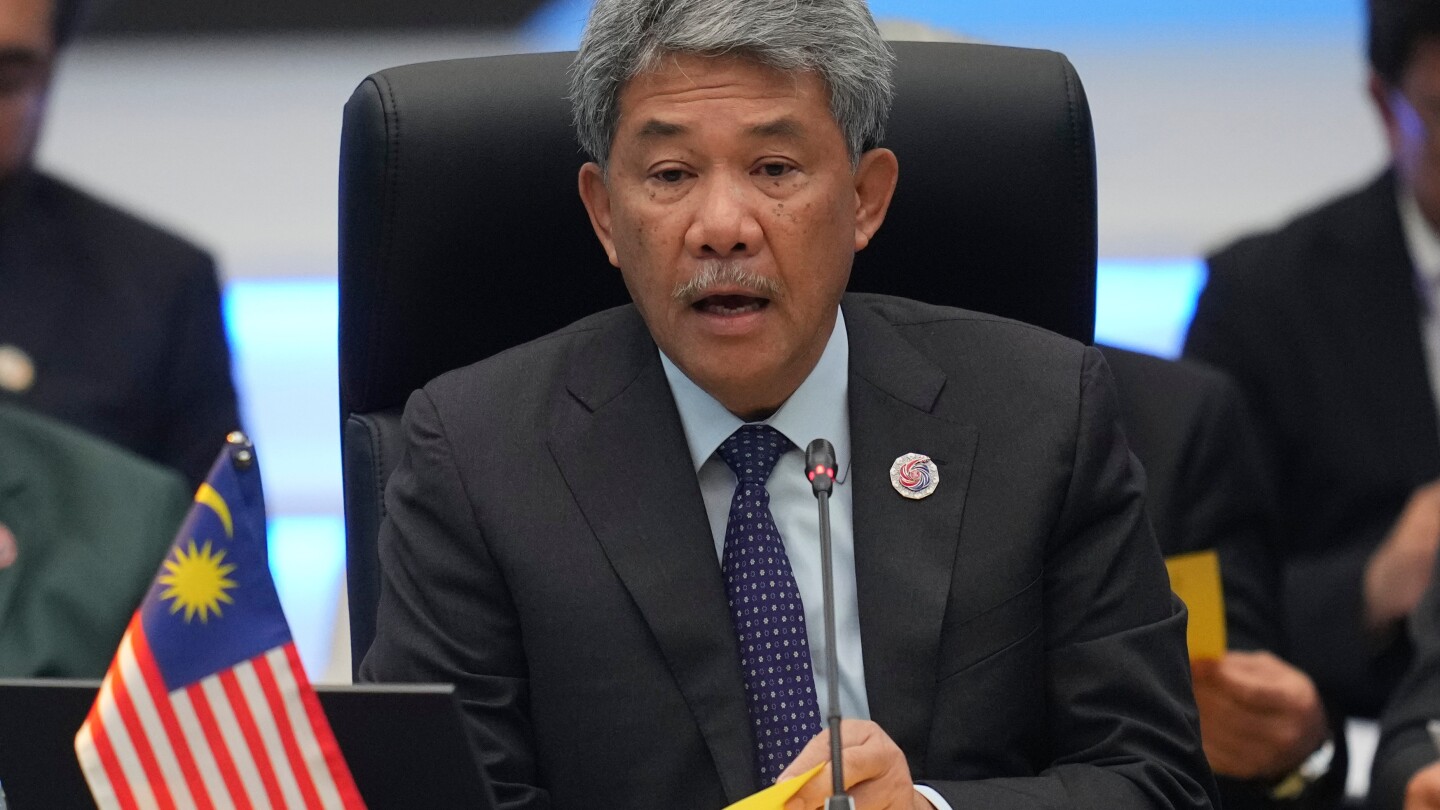
The Association of Southeast Asian Nations (ASEAN) will not endorse the recent elections held in military-ruled Myanmar, Malaysian Foreign Minister Mohamad Hasan announced on Tuesday. The declaration represents the strongest stance yet from the regional bloc on Myanmar’s controversial electoral process.
“We didn’t send observers and by virtue of that, we don’t certify the election,” Mohamad told the Malaysian Parliament, citing serious concerns about the lack of inclusive and free participation in the voting process.
Myanmar’s military-backed political party appears poised to secure a parliamentary majority following the second round of voting held earlier this month. These elections mark the first general polls since the military overthrew the civilian government led by Aung San Suu Kyi in February 2021—a coup that sparked widespread resistance that has evolved into a full-scale civil war over the past three years.
Human rights organizations and opposition groups have denounced the elections as neither free nor fair, describing them as a transparent attempt by the military junta to legitimize its grip on power. International observers have noted widespread voter suppression, candidate restrictions, and intimidation tactics throughout the electoral process.
Mohamad revealed that ASEAN leaders collectively decided against sending official observers to monitor the elections during their summit in October. “ASEAN has made clear that the election must be conducted with comprehensive and free participation, rather than being held in phases or under restrictive conditions that bar certain candidates,” he explained.
Despite the bloc’s position, individual member countries chose their own approaches. Myanmar’s Information Ministry claimed that Cambodia and Vietnam—both ASEAN members—were among several nations that dispatched observer teams to monitor the polls. This highlights the ongoing divisions within the regional body regarding how to address the Myanmar crisis.
Since the 2021 coup, ASEAN has struggled to present a unified front. The bloc agreed on a “Five-Point Consensus” peace plan that calls for an end to violence, humanitarian access, and inclusive dialogue among all parties. However, implementation has stalled amid minimal cooperation from Myanmar’s military authorities.
In response to the junta’s non-compliance, ASEAN took the unprecedented step of barring Myanmar’s military leaders from attending its summits—a significant diplomatic rebuke in a region traditionally committed to non-interference in members’ domestic affairs.
Regional analysts point out that ASEAN’s effectiveness has been hampered by internal disagreements, with countries like Cambodia, Laos, and Vietnam generally favoring engagement with Myanmar’s junta, while Malaysia, Indonesia, and the Philippines have pushed for stronger pressure.
“ASEAN’s rejection of these elections represents an important moment of clarity, but the bloc remains divided on how to effectively influence Myanmar’s trajectory,” said Kavi Chongkittavorn, a senior fellow at Chulalongkorn University’s Institute of Security and International Studies in Bangkok.
The electoral process in Myanmar has unfolded against a backdrop of continued armed resistance across much of the country. The National Unity Government—formed by elected lawmakers and representatives ousted in the coup—controls significant territory alongside ethnic armed organizations that have battled the central government for decades.
Final results for all seats in Myanmar’s national and regional legislatures are expected to be announced later this month, though their international recognition appears increasingly limited. The military government hopes the elections will help normalize its rule, but ASEAN’s position significantly undermines this strategy.
The Myanmar crisis continues to pose one of the most difficult challenges for ASEAN, testing the bloc’s founding principles of consensus and non-interference against growing international pressure to take a stronger stand against human rights violations within the region.
Fact Checker
Verify the accuracy of this article using The Disinformation Commission analysis and real-time sources.

17 Comments
This is a positive move by ASEAN. Refusing to recognize the elections in Myanmar sends a clear signal that the region will not tolerate the military’s authoritarian rule. Restoring democracy and protecting human rights should be the top priorities.
ASEAN’s refusal to recognize the elections in Myanmar is a significant development. The military junta’s attempts to legitimize its grip on power through sham polls must be condemned. This move by the regional bloc is an important step in holding the regime accountable.
Absolutely. ASEAN is taking a principled stand against the Myanmar military’s undemocratic actions. I hope this pressure, combined with broader international efforts, can help catalyze a return to civilian rule and respect for human rights in the country.
The lack of free and fair participation in Myanmar’s elections is deeply troubling. ASEAN is right to take this firm stance and refuse to lend legitimacy to the military’s undemocratic power grab. Genuine democratic reforms and an end to the violence must be the priority.
Absolutely. ASEAN’s refusal to endorse the elections is an important step in holding the junta accountable. The international community must continue to exert pressure for a restoration of democratic governance in Myanmar.
ASEAN’s stance on the Myanmar elections is an encouraging sign. The military junta’s attempts to cling to power through sham elections must be condemned. I hope this pressure from the regional bloc leads to meaningful progress towards democratic reforms.
Me too. ASEAN’s position could be an important step in isolating the Myanmar military and pushing for a return to civilian rule. The people of Myanmar deserve free and fair elections, not this authoritarian farce.
This is a principled stance by ASEAN. Refusing to endorse the elections in Myanmar sends a clear message that the region will not tolerate the military’s authoritarian rule. I hope this leads to tangible progress towards restoring democracy and protecting human rights in the country.
This is a concerning development for Myanmar. ASEAN’s refusal to endorse the elections highlights the serious issues with the military junta’s grip on power. It’s crucial that the international community continues to pressure for a return to democracy and respect for human rights in the country.
I agree. The military’s actions since the 2021 coup have been extremely troubling. ASEAN’s stance sends a strong message that the region will not accept sham elections meant to legitimize the junta’s rule.
ASEAN’s refusal to endorse the elections in Myanmar is an important step. The military’s grip on power through undemocratic means must be challenged. I hope this position from the regional bloc helps galvanize further international pressure for a restoration of democratic governance.
Me too. ASEAN’s stance is a welcome development, and I hope it builds momentum for more concerted global action to support the people of Myanmar in their struggle for democracy and human rights.
ASEAN’s refusal to endorse the elections in Myanmar is a welcome development. The military’s stranglehold on power through rigged polls is unacceptable. I hope this move by the regional bloc leads to greater international pressure for a return to democratic governance.
Agreed. ASEAN’s stance is an important step in holding the Myanmar junta accountable. The international community must continue to apply diplomatic and economic pressure to push for genuine democratic reforms and an end to the violence.
It’s good to see ASEAN taking a firm stand against the Myanmar military’s undemocratic elections. This sends a clear message that the region will not accept the junta’s attempts to legitimize its grip on power. Restoring democracy must be the top priority.
It’s good to see ASEAN taking such a firm stance on the elections in Myanmar. The military junta’s attempts to consolidate power through rigged polls are unacceptable. This move sends a clear signal that the region will not lend legitimacy to the regime’s authoritarian rule.
This is a principled and necessary move by ASEAN. Refusing to lend legitimacy to the Myanmar military’s sham elections is crucial. The international community must continue to apply pressure for a return to civilian rule and respect for democratic freedoms in the country.