


Listen to the article
Nordic Combined’s Last Gender Barrier Persists as Female Athletes Fight for Olympic Inclusion
Annika Malacinski still remembers the devastating moment in June 2022 when her Olympic dreams were shattered. On a flight from Munich to Denver, the American Nordic combined athlete purchased in-flight Wi-Fi to join a conference call with the International Olympic Committee, confident that women would finally be granted entry into the sport at the Milan Cortina Winter Olympics.
“Then the decision came: ‘no.’ No explanation, no discussion. Just ‘no,’ and then they moved on to the next topic,” Malacinski recounted from her training base in Norway. “I cried for eight hours straight on that flight. When I arrived in Denver, my eyes were swollen shut. It felt like my world had crashed.”
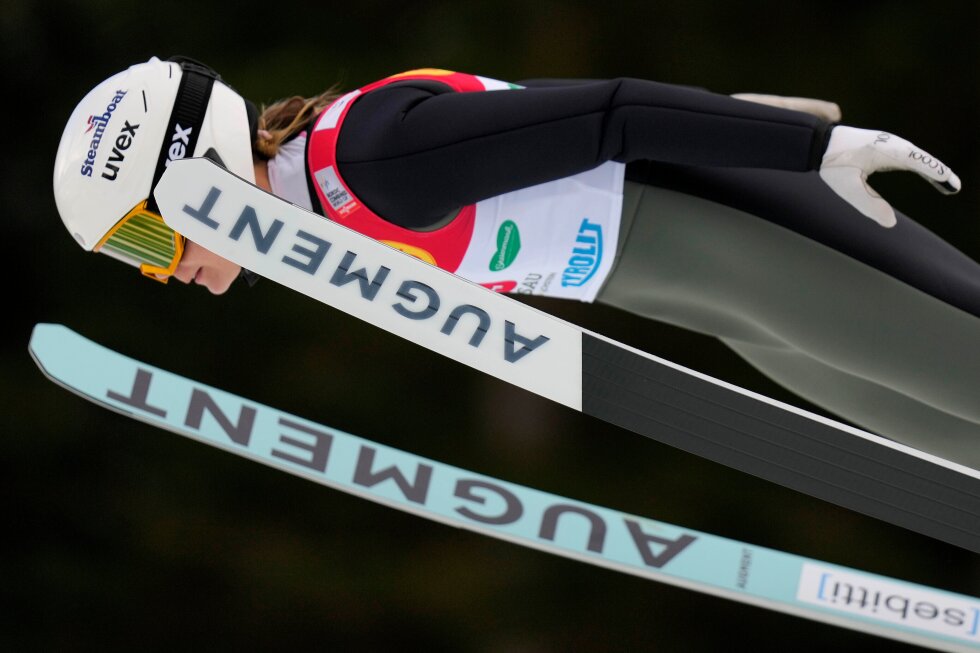
Despite the Milan Cortina Games showcasing record female participation at 47%, Nordic combined—a demanding discipline that combines ski jumping and cross-country skiing—remains the sole Olympic event that excludes women. For the 24-year-old Malacinski, a frequent top-10 finisher in elite competitions, the exclusion is particularly painful as she watches her younger brother Niklas prepare to represent the United States in the men’s event.
“It’s bittersweet. I know how hard he works, and he absolutely deserves it,” Malacinski said. “I do the same sport as him. I jump the same ski jumps and ski the same courses. The only difference is that I’m a woman.”
The frustration extends beyond Malacinski. Female Nordic combined athletes staged a protest during a recent competition in Seefeld, Austria, forming an “X” with their poles to symbolize their continued exclusion from the Olympic program.
Men have competed in Nordic combined since the inaugural Winter Olympics in Chamonix, France, in 1924. Ironically, the sport now faces potential removal from the 2030 Winter Olympics program entirely. The IOC cites limited global participation and low television viewership as reasons for its precarious position.
The fight for women’s inclusion in Olympic sports has a long and challenging history. Women were completely barred from the first modern Olympics in 1896. When they finally gained entry in Paris four years later, they were restricted to a handful of “appropriate” sports such as tennis, archery, and croquet.
Progress continued at a glacial pace. Track and field opened to women in 1928 at the Amsterdam Games, but with significant restrictions based on misguided beliefs about female physical capabilities. The women’s 800-meter race, initially included, was subsequently removed for more than three decades due to concerns about women’s supposed fragility.
The first women’s Olympic marathon didn’t occur until the 1984 Los Angeles Games—88 years after the men’s event debuted. Even today, some disparities persist. In summer track and field, women compete in the seven-event heptathlon while men contest the ten-event decathlon.
Winter sports have been particularly slow to embrace gender equality. Ski jumping remained off-limits to women until the 2014 Sochi Olympics, despite being a foundational winter sport. Only at the upcoming Milan Cortina Games will men and women finally race the same distances across all cross-country skiing events—a significant milestone that highlights the continuing evolution toward parity.
Previously, women’s cross-country races were capped at 30 kilometers compared to the men’s 50 kilometers. The 2026 Games will feature 50-kilometer mass start races for both genders, matching the format introduced at last year’s Nordic Ski World Championships.
For Malacinski, the fight continues. Now focusing her efforts on inclusion at the 2030 Winter Games in the French Alps, she remains determined despite the setbacks.
“I’m a very gritty person,” she said. “If I put my mind to something, I know I can do it.”
“That just fuels the fire for me,” she added. “We deserve to be there, and I’ll fight until 2030 because that’s our rightful place.”
Fact Checker
Verify the accuracy of this article using The Disinformation Commission analysis and real-time sources.

9 Comments
This is a deeply disappointing decision by the IOC. Nordic combined is one of the most demanding events in the Winter Olympics, requiring exceptional skill and athleticism. There is no valid reason to continue excluding women from this competition. The IOC should reconsider this policy and work to make the Winter Games fully inclusive for all athletes, regardless of gender.
This is yet another example of the persistent gender inequalities that still exist in sports, even at the Olympic level. The exclusion of women from Nordic combined is deeply unfair and sends a troubling message. The IOC should revisit this policy and work to make the Winter Games fully inclusive for all athletes, regardless of gender.
I can understand Malacinski’s devastation at being denied the chance to compete in the Olympics. As an elite Nordic combined athlete, she deserves the opportunity to showcase her skills on the world stage. The IOC should take a hard look at this policy and find a way to make the Winter Games more inclusive for female competitors.
This is a shame that women are still excluded from Nordic combined in the Olympics. As an elite competitor, Annika Malacinski deserves the chance to represent her country and compete against the best in the world. The IOC should reconsider this outdated policy and give female athletes full access to all Winter Olympic events.
This is yet another example of the gender inequality that still persists in sports, even at the highest levels. The IOC’s decision to exclude women from Nordic combined is short-sighted and does a disservice to the many talented female athletes who have trained for this opportunity. They should revisit this policy and find a way to make the Winter Olympics more inclusive.
This is a disappointing development, especially given the strides that have been made in recent years to increase female participation in the Winter Olympics. The exclusion of women from Nordic combined seems like an outdated and unnecessary gender barrier. The IOC should re-evaluate this policy and find a way to make the sport more inclusive.
It’s troubling to see the IOC continue to uphold this outdated policy of excluding women from the Nordic combined event. As one of the only Winter Olympic sports still off-limits to female athletes, this seems like an egregious oversight. The IOC should reconsider this decision and work to ensure equal opportunities for all competitors, regardless of gender.
It’s disheartening to see the IOC continue to uphold this gender barrier in Nordic combined. Excluding women from the last remaining Olympic event is incredibly unfair, especially for talented athletes like Annika Malacinski who have dedicated their careers to this demanding discipline. The IOC needs to catch up with the times and open up this event to female competitors.
This is disappointing news that the IOC has maintained the gender barrier in Nordic combined. As a sport requiring exceptional athleticism, it’s unfair to deny women the opportunity to compete at the highest level. Malacinski’s emotional reaction highlights the personal toll of this exclusion. The IOC should prioritize gender equity and allow female skiers to participate in all Winter Olympic events.