


Listen to the article
Al-Shabab Remains Somalia’s Greatest Security Threat, UN Experts Report
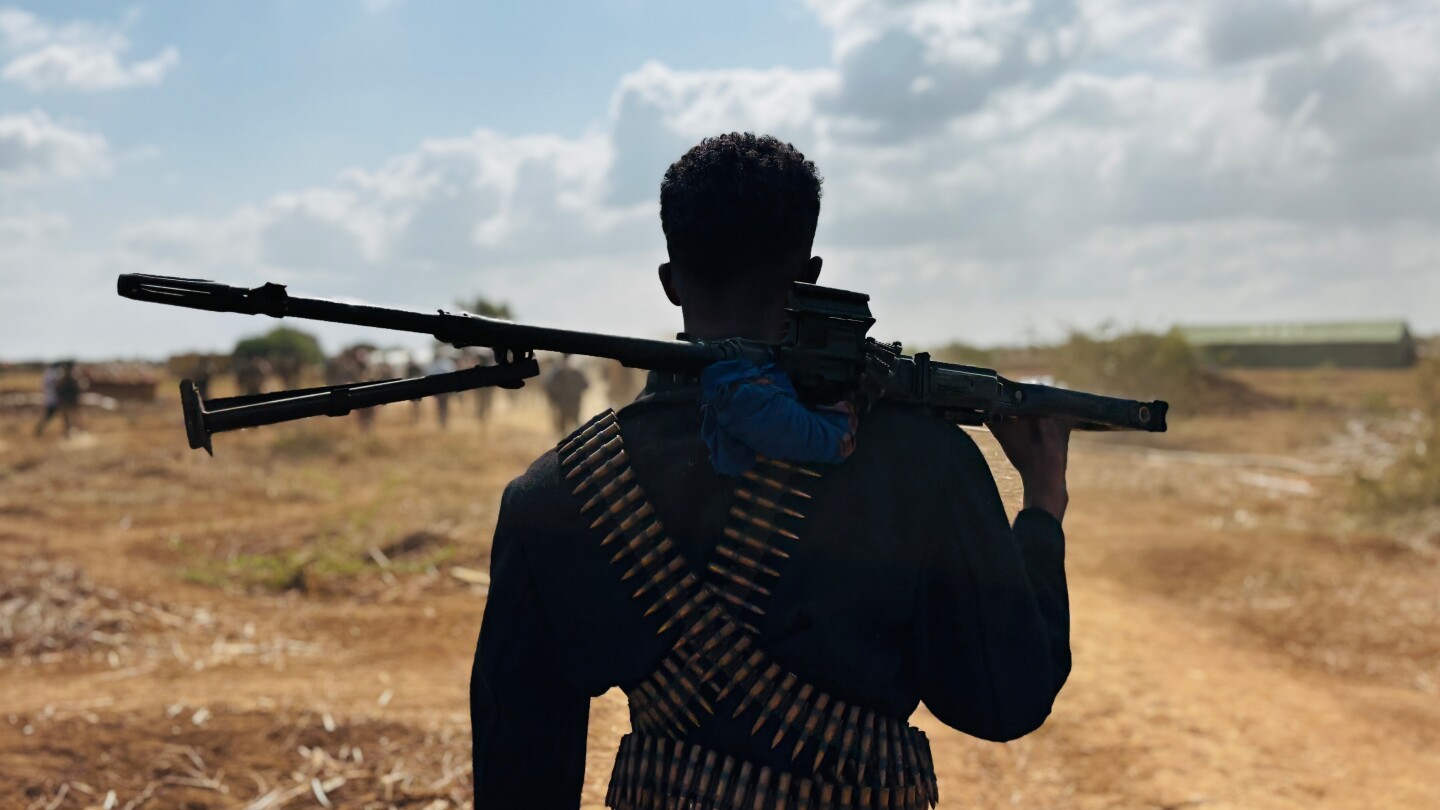
Al-Shabab extremist group continues to pose the most significant immediate threat to peace and stability in Somalia and neighboring countries, particularly Kenya, according to a United Nations expert panel report released Wednesday.
Despite ongoing counterterrorism efforts by Somali security forces and international partners, the al-Qaida-affiliated group has maintained its operational capacity to execute sophisticated attacks throughout Somalia, including in the capital Mogadishu. In March, the group attempted to assassinate the Somali president, highlighting its continued reach and tactical capabilities.
“The group’s ability to carry out complex, asymmetric attacks in Somalia remains undiminished,” the UN experts stated in their assessment. They noted that the threat extends beyond direct military operations to include elaborate extortion networks, forced recruitment campaigns, and effective propaganda machinery that sustains the group’s influence.
The Security Council responded to the ongoing threat by unanimously approving an extension of the African Union’s stabilization mission in Somalia until December 31, 2026. This mission includes nearly 12,000 uniformed personnel, with 680 serving in police capacities, tasked with supporting Somalia’s government in its fight against extremist forces.
For Kenya, which shares a porous border with Somalia, al-Shabab represents a persistent security challenge. The UN report indicates that the group conducts approximately six attacks per month on Kenyan soil, primarily in the border counties of Mandera and Lamu. These attacks range from improvised explosive device deployments targeting security forces to infrastructure sabotage, kidnappings, home invasions, and livestock theft.
The experts’ assessment clarifies that al-Shabab’s strategic objective remains unchanged: to overthrow Somalia’s internationally recognized government, expel foreign forces from Somali territory, and establish what they call a “Greater Somalia” that would unite ethnic Somalis across East Africa under strict interpretation of Islamic law.
The security landscape in Somalia is further complicated by the presence of the Islamic State affiliate known as ISIL-Somalia. Though smaller in size and financial resources compared to al-Shabab, the Islamic State group has been actively recruiting fighters from across East Africa and beyond. By late 2024, the group had assembled a fighting force exceeding 1,000 members, with foreign fighters comprising at least 60% of its ranks.
“Although small in terms of numbers and financial resources compared with al-Shabab, the group’s expansion constituted a significant threat to peace and security in Somalia and the broader region,” the panel warned.
The persistence of these extremist groups continues to undermine Somalia’s fragile progress toward stability after decades of civil war and state collapse. The Somali government, with support from international partners, has made territorial gains against al-Shabab in recent years, but the group has demonstrated resilience by adapting its tactics and retreating to rural strongholds.
Regional security experts note that Somalia’s geographic position in the Horn of Africa makes its stability crucial not only for neighboring countries but for international maritime security, as Somali coastal waters border key shipping lanes connecting Europe, the Middle East, and Asia.
The ongoing threat posed by these extremist groups underscores the challenges facing Somalia’s federal government as it works to extend state authority throughout the country while building institutional capacity and addressing underlying grievances that extremist groups exploit for recruitment and support.
As the African Union mission continues its mandate, the international community faces the complex task of balancing military pressure on extremist groups while supporting Somalia’s efforts to strengthen governance, provide basic services, and create economic opportunities for its population—essential components of a sustainable security strategy in the region.
Fact Checker
Verify the accuracy of this article using The Disinformation Commission analysis and real-time sources.

9 Comments
It’s clear that despite counterterrorism efforts, Al-Shabab remains a formidable threat to stability in Somalia and the surrounding region. The UN experts’ assessment of their undiminished operational capacity and reach is quite worrying. Concerted action will be needed to counter this extremist group effectively.
You’re right, the situation seems precarious. The group’s ability to adapt and evolve their tactics is a major obstacle. Sustained international support and cooperation will be crucial in degrading Al-Shabab’s capabilities and denying them safe haven.
The UN report underscores the need for a renewed, coordinated push to degrade Al-Shabab’s capabilities and influence in Somalia and the wider region. Their resilience and adaptability make them a persistent threat that requires a multifaceted, long-term approach to address effectively.
This report underscores the need for a robust, multilateral response to the Al-Shabab threat. Strengthening Somali security forces, cutting off financing, and countering the group’s messaging will all be crucial elements of an effective counterterrorism strategy.
Agreed. The international community must remain steadfast in its commitment to supporting Somalia and the region in this fight against extremism. Sustained pressure and a coordinated approach will be essential to degrading Al-Shabab’s capabilities over time.
It’s disheartening to see that Al-Shabab remains such a potent force in the region despite ongoing counterterrorism efforts. Their ability to carry out sophisticated attacks and maintain extensive extortion networks highlights the complexity of the challenge. Continued international support and a comprehensive strategy will be vital.
This is a concerning report on the continued threat posed by Al-Shabab extremists in Somalia. Their ability to execute complex attacks and sustain their influence through extortion, propaganda, and recruitment is alarming. Addressing this regional security challenge will require a comprehensive, coordinated approach.
The UN experts’ assessment paints a troubling picture of the persistent threat posed by Al-Shabab in Somalia. Their resilience and adaptability make them a formidable adversary. Addressing the root causes driving recruitment and strengthening local security capacity will be key to lasting stability.
The attempted assassination of the Somali president by Al-Shabab demonstrates their continued threat and ambition. Tackling their elaborate extortion networks, recruitment drives, and propaganda will be key to disrupting their influence in the long run.