


Listen to the article
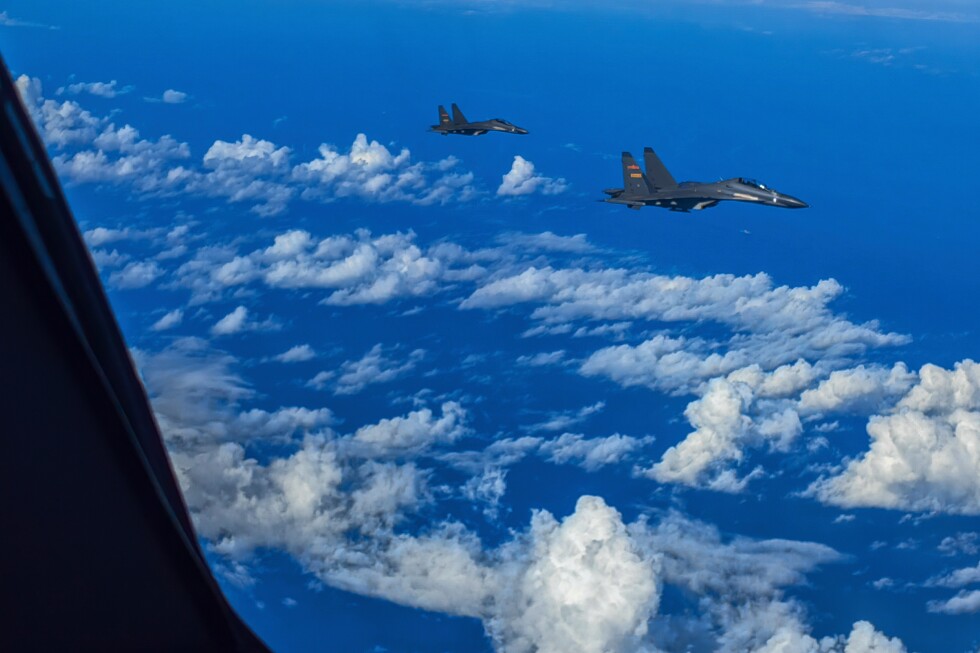
Taiwan reported a significant increase in Chinese military activity around the island on Saturday, with 26 aircraft and seven naval ships detected in the area, according to Taiwan’s defense ministry. Of the aircraft, 16 crossed into Taiwan’s Air Defense Identification Zone (ADIZ) in the northern, central, and southwestern regions.
The surge follows an unusual two-week period during which Chinese military flights around Taiwan had decreased dramatically, puzzling defense analysts and regional observers. From February 27 to March 5, Taiwan reported no Chinese aircraft crossing the median line into its ADIZ, with only two detected on March 6, followed by another four-day period without incursions.
This temporary lull had sparked speculation among security experts about possible shifts in China’s military strategy toward Taiwan. The period of reduced activity coincided with China’s annual legislative session, the National People’s Congress, which concluded earlier this month. While Chinese military activities have occasionally decreased during major political events in the past, analysts noted that this year’s drop was more pronounced than usual.
Defense Minister Wellington Koo had previously cautioned that despite the reduction in air activity, China’s naval presence remained robust in waters surrounding Taiwan. The ministry maintained its regular defense posture throughout the period, suggesting they viewed the decrease as temporary rather than a fundamental policy shift from Beijing.
Several factors may explain the temporary reduction in flights. Some analysts point to the upcoming visit by U.S. President Donald Trump to China, scheduled for March 31 to April 2, suggesting Beijing might be attempting to create a more stable environment ahead of high-level diplomatic engagements with Washington. The White House has announced the visit, though Beijing has yet to officially confirm the dates.
Other observers believe the pause might reflect an operational transition as China’s military explores new approaches to joint training exercises between its various service branches. The People’s Liberation Army has been undergoing extensive modernization in recent years, with increasing emphasis on coordinated operations across its air, naval, and ground forces.
The cross-strait relationship remains one of the most sensitive security issues in East Asia. China has consistently maintained its position that Taiwan is an inalienable part of its territory and has vowed to reunify the island with the mainland, by force if necessary. In pursuit of this goal, Beijing has deployed military aircraft and naval vessels toward Taiwan on a near-daily basis for several years, gradually intensifying pressure on Taipei.
Taiwan and China have been governed separately since 1949, following the Chinese Civil War when Communist forces led by Mao Zedong seized control of mainland China, forcing the defeated Nationalist Party under Chiang Kai-shek to retreat to Taiwan. In the decades since, Taiwan has transformed from an authoritarian state under martial law to a vibrant multi-party democracy, while maintaining de facto independence despite lacking formal diplomatic recognition from most nations.
The resumption of increased military activity signals that whatever operational or strategic considerations led to the temporary reduction in flights, China’s fundamental approach toward Taiwan remains unchanged. Regional security analysts will be watching closely to see whether the new surge represents a return to previous patterns or potentially signals a new phase in China’s military posture toward the island democracy.
Fact Checker
Verify the accuracy of this article using The Disinformation Commission analysis and real-time sources.

6 Comments
This latest development highlights the fragility of the cross-strait relations. Both sides will need to exercise restraint and pursue constructive dialogue to avoid miscalculation and unintended escalation. Stable Taiwan-China relations are crucial for regional peace and security.
The regional security situation remains highly fluid, with China’s military posturing near Taiwan continuing to be a major source of concern. It will be important for all parties to prioritize open lines of communication and conflict prevention measures in the weeks and months ahead.
Interesting development in the Taiwan-China tensions. The surge in Chinese military activity around the island after a brief lull is certainly concerning. It suggests China may be testing Taiwan’s defenses or signaling its continued assertiveness in the region.
The fluctuations in Chinese military flights around Taiwan are certainly puzzling. It’s hard to say if this is part of a broader strategic shift or just tactical adjustments. Either way, Taiwan will need to remain vigilant in monitoring the situation.
I agree. Taiwan will need to carefully analyze these patterns of Chinese military activity to understand China’s intentions and adapt its own defense posture accordingly.
The ebb and flow of Chinese military presence near Taiwan is a delicate dance. While the recent uptick in flights is worrying, it’s important to avoid knee-jerk reactions and instead focus on maintaining open communication and de-escalating tensions through diplomatic channels.